World news and discussion on TalkFuse.
US disables second ship leaving Iran as Tehran vows to resist blockade
Developing story first seen 4 hours ago
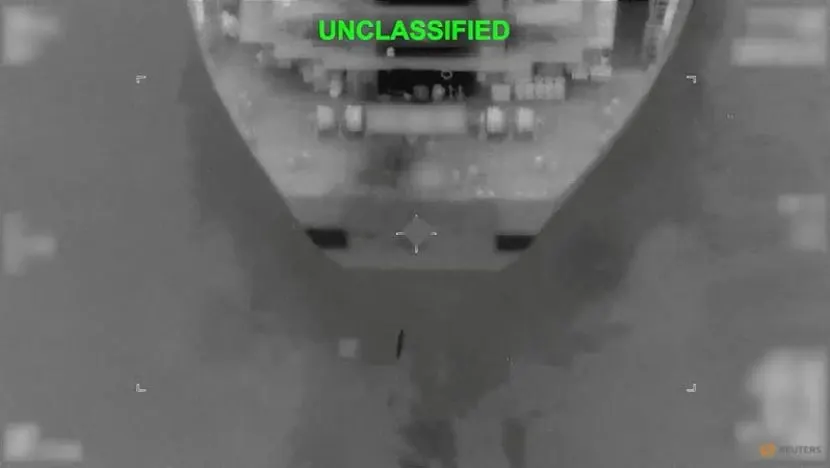
The US says it has disabled a second commercial ship attempting to leave Iran, extending its blockade as Tehran vows to resist. The latest incident adds to tensions over the Strait of Hormuz, a vital route for global trade that Iran says will remain closed.
US Central Command said aircraft struck the stern of the Palau-flagged M/V Pacific Archer in the Gulf of Oman on Thursday after it departed Bandar Abbas, disabling its propulsion; the crew was unharmed. Iran’s leaders say the ports remain active and maritime escorts are under way, but gave no details of how they would break the embargo. The US reimposed its naval blockade on Iranian ports in July and this month announced wider restrictions on weapons and sanctioned materials.
- Sources
- 2
- Outlets
- 2
- Left · Centre · Right
- 0 · 2 · 0
In short
- US forces disabled the Pacific Archer after it left Bandar Abbas.
- Its crew was unharmed, according to US Central Command.
- Tehran vowed to resist the blockade and keep Hormuz shut.
How this story developed
- 18 minutes ago US Central Command identified the ship as the Palau-flagged M/V Pacific Archer, saying aircraft struck its stern in the Gulf of Oman and disabled its propulsion, while its civilian crew remained unharmed.
- 25 minutes ago The US said it had disabled a second commercial ship trying to leave Iran, as Tehran vowed to resist the blockade and said the Strait of Hormuz would remain closed.
Steelman: both sides, in good faith
The strongest fair case each way — we don't pick a winner.
The case for
The US can argue that enforcing restrictions on ships leaving Iranian ports is necessary to put pressure on Tehran and limit the movement of weapons or sanctioned materials. Disabling the vessel rather than harming its crew may be presented as a measured way to enforce the blockade while reducing immediate risk to life.
The case against
Iran can argue that a blockade and the use of force against a commercial ship threaten lawful trade and freedom of navigation, while raising the risk of a wider conflict around a vital shipping route. Tehran may also contend that keeping its ports active and arranging escorts are legitimate ways to protect its maritime access and resist external pressure.
Explained simply
The Strait of Hormuz is a narrow sea passage between Iran and Oman, linking the Gulf to the open ocean. A large share of the world’s oil and other goods shipped by sea passes through or near it, so disruption can affect trade and energy supplies.
Iran borders the strait and has long treated control of nearby waters as a source of influence. The United States has forces in the region and has used sanctions and naval restrictions to put pressure on Iran; Iran has challenged those measures and says its ports remain open. Other countries’ ships also use these waters, making the dispute relevant to international shipping and security.
Coverage · 2 sources
Bias meters
From 2 rated sources.
Read the full article at the source →
Originally published by CNA as “US disables ship trying to leave Iran, as Tehran vows to confront blockade”.