World news and discussion on TalkFuse.
Behind China’s spectacular rise, voices who defied it say they are being drowned out
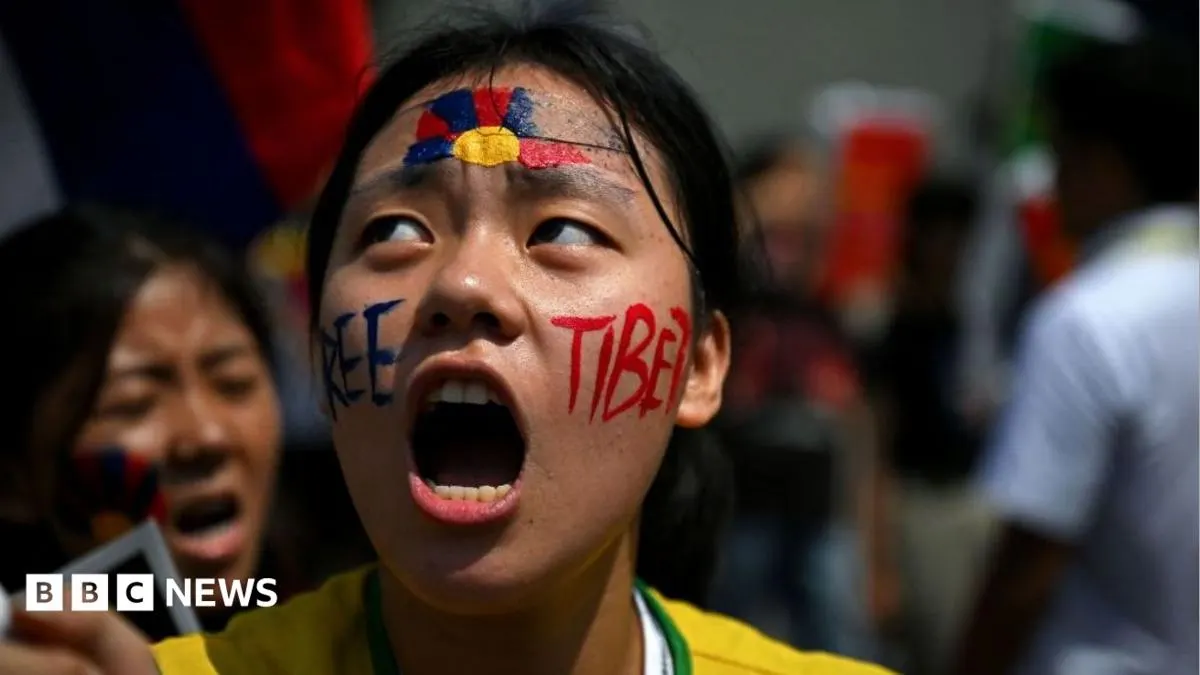
Uyghur and Tibetan activists say China's growing economic and diplomatic weight is drowning out their cause. Dolkun Isa, a Uyghur activist who has lived in exile in Germany for nearly three decades, says protests that drew thousands in 2018 now struggle to attract even 500 people. Campaigners argue that this shift weakens their networks and the international pressure they hope to build.
Reports in 2018 that China had detained up to a million Uyghurs and other Muslims in Xinjiang prompted protests, sanctions on senior officials and parliamentary resolutions in at least nine countries. Beijing has denied abuses and says the camps were for "re-education". Activists say Beijing now combines pressure with incentives such as family reunions, money and promises of safety, in return for information about exile networks and support for pro-party narratives, which the Chinese embassy in the UK rejected. Human rights were not raised at any of the three summits between Xi Jinping and Donald Trump this year, and in July Tibetan activist Lobga Rangzen died after setting himself on fire outside UN headquarters in New York to protest a new ethnic unity law, though attention quickly faded.
In short
- Uyghur activists say protest turnout has fallen sharply since 2018.
- China's economic clout may be reducing Western focus on human rights.
- Dissidents say Beijing offers incentives, while the Chinese embassy denies spying claims.
Steelman: both sides, in good faith
The strongest fair case each way — we don't pick a winner.
The case for
Human rights advocates argue that abuses on the scale reported in Xinjiang and Tibet cannot be traded away for economic or diplomatic gain, and that the 2018 sanctions and parliamentary resolutions showed that sustained international pressure can shift a government's priorities. Silence at high-level summits, they contend, tells Beijing that repression carries no cost, and it leaves exiles facing surveillance and coercion without the protection that public attention provides. For them, governments have a duty to keep these concerns visible on behalf of people who have little other means of being heard.
The case against
Pragmatists argue that China's economic and security weight makes confrontation costly, and that the people most affected may fare worse if relations deteriorate into open hostility. Quiet diplomacy and sustained dialogue, they say, can sometimes secure concrete concessions that public denunciation cannot, and leaders must weigh human rights against trade, climate cooperation and regional stability. Beijing's position that its policies in Xinjiang are counter-terrorism and development measures, and that its sovereignty deserves respect, also forms part of this view. On this account, a decline in protest numbers may reflect shifting priorities and fatigue rather than a deliberate silencing of activists.