New releases, music videos and album news — indie, rap, rock and pop. Always covering Ren, Chris Webby, Sam Tompkins, bbno$, CHINCHILLA, Muse, Yungblud and more.
“Just hateful”: the misogynistic 1984 gig that Joan Jett would never want to repeat
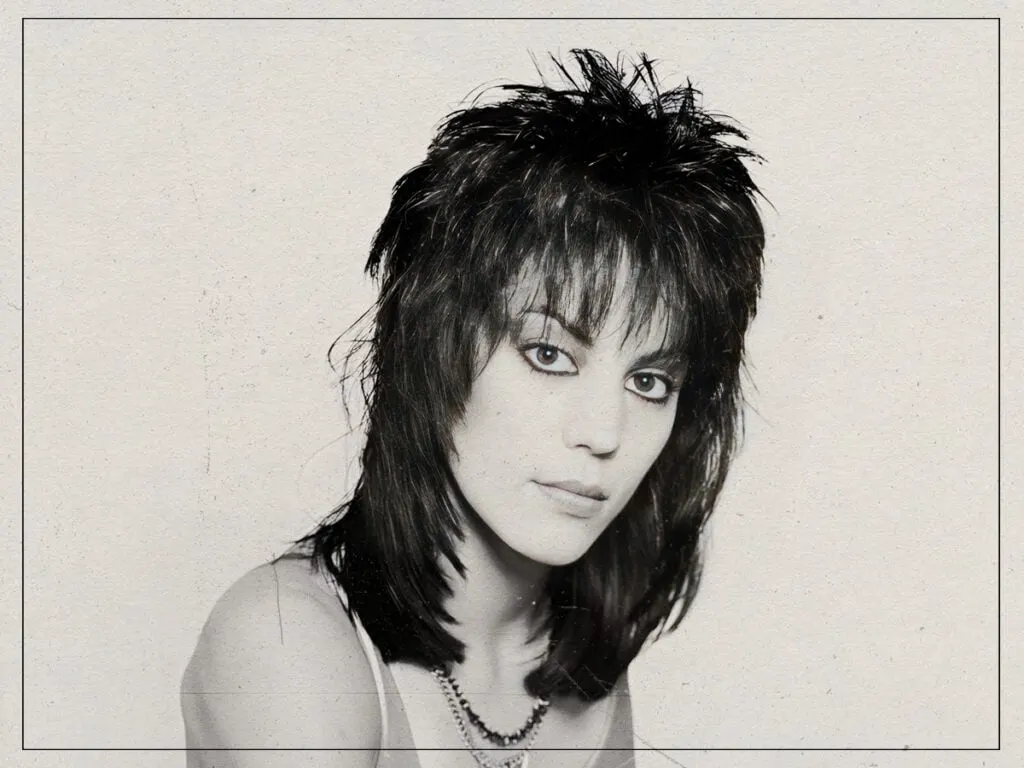
Joan Jett recalled facing severe misogyny while opening for German heavy metal band Scorpions on parts of a 1984 European tour. The hostile response showed how some audiences resisted women performing rock, and Jett said the experience was one she would not want to repeat.
During the Italian and Spanish shows, audience members spat at Jett, hurled abuse and threw objects. She continued performing, saying she would have to be killed to be forced off stage. Jett and the Blackhearts did not return to Italy, while her next Spanish performance came at the Azkena Rock Festival in 2018, nearly 35 years later.
In short
- Jett faced abuse while opening for Scorpions in 1984.
- Audiences spat, shouted insults and threw things.
- She returned to Spain in 2018, but never to Italy.
Explained simply
Joan Jett is an American rock singer and guitarist, best known for the 1981 hit "I Love Rock 'n' Roll" and for leading her band, Joan Jett and the Blackhearts. Before her solo career, she had been a founding member of the all-female band The Runaways in the 1970s. In a recent recollection, she described a 1984 European tour on which she was the support act for Scorpions, a German heavy metal band.
During the Italian and Spanish dates of that tour, some audience members spat at Jett, shouted abuse and threw objects at the stage. She has said she kept performing, and that her next Spanish show did not take place until 2018, at the Azkena Rock Festival. The episode is often discussed alongside the wider history of women in rock, a genre that has long been dominated by male performers and audiences.
The account matters because it offers a first-hand view of how some audiences treated women performing in male-dominated music scenes in the 1980s. It is also part of a broader conversation about how the industry and its fans have changed, and how artists remember experiences of hostility. Readers can use it to understand both the specific incident and the context in which women musicians worked at the time.