Culture news and discussion on TalkFuse.
Ukraine submits Black Sea ceasefire offer, awaits Russian response
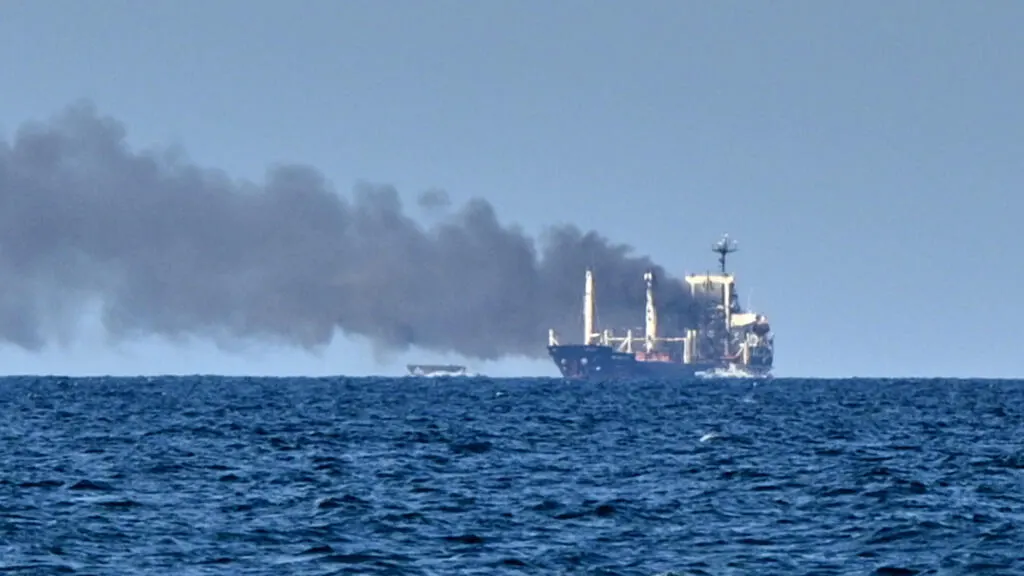
Ukraine has offered a Black Sea ceasefire to allow food exports and passed the proposal to its international partners, foreign minister Andrii Sybiha said on Friday. He said Kyiv is now waiting for Russia's response and thanked India, Turkey and Egypt for their mediation. The offer matters because grain shipments from Ukraine's Black Sea ports have nearly stopped since late July, after Russia intensified attacks on grain terminals and merchant vessels.
Russia has proposed that Ukraine suspend attacks on its oil sector as part of the truce, but Kyiv will consider this only within a broader energy ceasefire. Sybiha said Moscow was trying to tie oil supplies to agricultural exports. The announcement followed an overnight Russian attack on two foreign cargo ships carrying more than 100,000 metric tonnes of grain near the port of Odesa, according to Prime Minister Sergiy Koretskyi. Before the escalation, the three Odesa ports handled about 90 percent of Ukraine's agricultural and metallurgical exports.
In short
- Ukraine offers a Black Sea ceasefire to restore food exports.
- Russia wants oil infrastructure included; Kyiv wants a wider energy deal.
- Grain shipments from Odesa ports have nearly stopped since late July.
Steelman: both sides, in good faith
The strongest fair case each way — we don't pick a winner.
The case for
The case for Kyiv's conditional approach rests on the principle that food exports should not be traded against other demands. Grain shipments from Odesa supported global food markets and many import-dependent economies, and Ukraine's position is that a grain-only truce would reward Russian attacks on civilian shipping while leaving Moscow free to strike energy infrastructure. Advocates argue that a broader energy ceasefire, negotiated as a single package, gives Ukraine stronger guarantees and avoids a sequence in which concessions are made and then reversed.
The case against
The case for accepting a linked or narrower arrangement emphasises that a concrete, achievable step should not be delayed by sequencing disputes. Ships remain idle, farmers lose income, and food prices in vulnerable countries remain under pressure while negotiations stall. Supporters argue that reciprocal limits on strikes against oil facilities are ordinary diplomacy, that energy attacks also harm civilians and Ukraine's own grid, and that a successful early agreement could build the trust needed for wider talks.
Culture Europe Food Russia-Ukraine War World