World news and discussion on TalkFuse.
Channel 4 defends Huw Edwards documentary as public interest journalism
Developed over time first seen 1 day ago
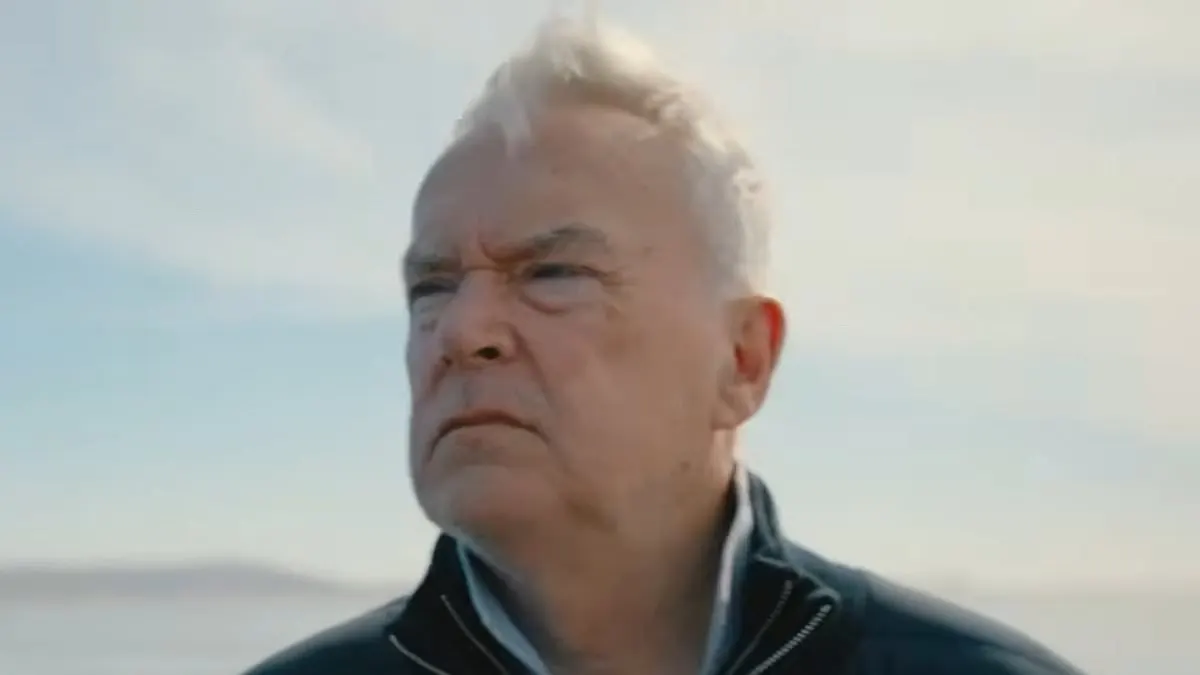
Channel 4 is standing by its upcoming documentary, Huw Edwards – Guilty, which gives the former BBC presenter the chance to give his account of the events that led to his conviction. Edwards was handed a six-month prison sentence, suspended for two years, in September 2024 after admitting three counts of making indecent images of children. The film has drawn strong criticism, including from Downing Street, which said it had "no interest" in what Edwards has to say.
Louisa Compton, Channel 4's Director of News, Digital and Audience Trust, defended the decision in a lengthy statement, arguing that the film is in the public interest and that interviewing someone does not amount to endorsing them. She compared the approach to journalists questioning murderers, terrorists and dictators, and said Edwards was not paid and had no control over the content. The 60-minute film includes extensive interviews filmed over a year but has no input from his victims or from child abuse campaigners, many of whom have condemned it. Downing Street urged broadcasters to act responsibly and with appropriate regard for their audiences.
- Sources
- 3
- Outlets
- 3
- Left · Centre · Right
- 1 · 0 · 1
In short
- Channel 4 is refusing to drop its Huw Edwards documentary.
- Edwards, convicted of indecent image offences, gets to tell his side.
- Victims and child abuse campaigners had no input and have condemned it.
How this story developed
- 16 hours ago Edwards used his Substack on Thursday to deny that he is a paedophile, as Channel 4 maintained its position that the documentary is in the public interest.
- 22 hours ago Compton has since said that Edwards was not paid, had no control over the content and could be asked any question, while Channel 4 argued that the film raises questions about power, trust and accountability.
- 22 hours ago Channel 4's Director of News, Digital and Audience Trust, Louisa Compton, defended the film by comparing interviews with Edwards to journalists questioning murderers, terrorists and dictators, insisting that an interview does not amount to an endorsement.
- 24 hours ago Channel 4 said it would go ahead with its 60-minute documentary Huw Edwards – Guilty, arguing that testing the former BBC presenter's account is in the public interest despite criticism, including from Downing Street.
Full account
Channel 4 has declined to withdraw or postpone Huw Edwards – Guilty, a 60-minute documentary about the former BBC News presenter, which is due to air on Tuesday night. The broadcaster argues that the film serves the public interest. The programme is the first occasion on which Edwards, who was given a six-month prison sentence suspended for two years in September 2024 after admitting three counts of making indecent images of children, will speak on television about his conviction and his fall from public life. He has previously addressed his conduct on his Substack, where he disputed claims that he was a paedophile, but the film will involve an interviewer questioning him directly.
The decision has drawn strong criticism. Downing Street said the government had 'no interest' in hearing what Edwards had to say, while stressing the need for broadcasters to act responsibly and with proper regard for their audiences. Campaigners and some victims' advocates have condemned the programme, and one report notes that the film includes no input from victims or child protection groups. In a lengthy statement, Louisa Compton, Channel 4's Director of News, Digital and Audience Trust, acknowledged that some viewers will strongly disagree. She argued that interviewing people who have done serious wrong is not an endorsement of them, comparing the practice with journalism that questions murderers, terrorists and dictators. She also said Edwards was not paid, had no editorial control and faced no restrictions on the questions he could be asked, and that the film raises wider issues about power, trust and accountability.
Both reports agree on the core facts and the broadcaster's principal justification, but they emphasise different aspects. The first report focuses on the film's content and the lack of victim involvement, and places more weight on Edwards's own online denials. The second report gives more attention to the timing of the statement, which came three days before transmission, and to the trailer, in which Edwards is heard saying he had 'lost the plot' while the interviewer responds with exasperation. It also gives greater prominence to Compton's remarks about the criminal justice system's handling of people convicted of indecent image offences, and includes the government's remarks about child victims, including children as young as seven. Neither report independently verifies the claims made about the film's contents, and the available material is limited to the extracts provided, so some details of the broadcaster's wider editorial process cannot be confirmed.
The coverage underlines a continuing tension between the public interest in scrutinising people who have committed serious offences and the concerns of victims, campaigners and officials about giving a convicted offender a platform. Channel 4 maintains that challenging interviews serve a legitimate journalistic purpose and that the programme's role is to test Edwards's account rather than to amplify it. Critics argue that the timing, the absence of victims' perspectives and the broadcaster's decision to proceed despite official objections make the film difficult to justify. How viewers and the wider industry judge the programme is likely to depend on how rigorously the interview is conducted once it airs.
Where outlets differ
From the full account, which is AI-written from the sources:
Emphasis: the first report centres on the documentary's content and the absence of input from victims or child abuse campaigners, while the second gives more space to the timing of Channel 4's statement, three days before transmission.
Government response: the first report says Downing Street waded into the debate and said it had 'no interest' in Edwards's account; the second attributes the 'no interest' remark to the Prime Minister's spokesperson and adds that the government paid tribute to victims of child sexual abuse and exploitation.
Edwards's own statements: the first report highlights his Substack denials of being a paedophile; the second focuses on the trailer, in which he is heard saying 'I'd lost the plot'.
Background detail: the second report includes the 2023 allegations published by The Sun and states that Edwards has largely withdrawn from public life and returned to Wales, where the documentary is set. The first report does not include these details in the material provided.
Channel 4's justification: both reports quote Louisa Compton on the public interest, but the second gives fuller weight to her point about how the criminal justice system responds to people convicted of offences involving indecent images, while the first highlights her remit to stimulate debate and her statement that the film is not an endorsement.
Sentencing and plea: the first report gives the sentence details and the number of images found on WhatsApp (41); the second does not give these figures, but refers to the guilty plea in 2024.
Source limitations: the first report appears to be cut off mid-quotation in the material provided, so some of its later content could not be assessed.
Left-leaning outlets 1
Only here: controversial
Right-leaning outlets 1
Only here: public, interest, journalism
Every side used: channel, defends, edwards, documentary
Headline columns compared word for word; nothing in them is AI-written.
Steelman: both sides, in good faith
The strongest fair case each way — we don't pick a winner.
The case for
Channel 4 argues that Huw Edwards was a senior, trusted broadcaster whose conduct and account of it are legitimate matters of public concern, and that viewers are entitled to judge for themselves whether his answers hold up. On this view, a documentary that tests a public figure's explanations, rather than simply accepting them, is accountability journalism, and it should not be shaped by a government's preference about who gets heard. The broadcaster also points out that Edwards was not paid, did not control the final film and was questioned throughout, which it presents as evidence of editorial independence and fairness.
The case against
Critics argue that giving a convicted offender, whose crimes involved indecent images of children, a platform for a year of interviews risks centring his perspective at the expense of the people harmed by those crimes. The absence of contributions from victims and child abuse campaigners, and the film's comparison of him with murderers, terrorists and dictators, lead them to worry that the programme prioritises audience interest and sensationalism over a sober account of harm. From this standpoint, the protection of victims and respect for the sentence already handed down should weigh more heavily than a claimed public interest in hearing from him, and the timing of the broadcast adds to the concern.
Explained simply
Huw Edwards is a former BBC presenter who worked for the corporation for many years. In 2024 he admitted three offences of making indecent images of children and one of possessing 41 such pictures shared on WhatsApp. He was sentenced in September 2024 to six months in prison, suspended for two years, which meant he would not serve the time unless he broke the terms of the sentence.
Channel 4, a publicly funded broadcaster, has made a one-hour documentary about him called Huw Edwards – Guilty. The programme reportedly includes interviews with Edwards recorded over a year, and Channel 4 says he was not paid and did not control the final film. It does not feature contributions from victims or from campaigners against child abuse.
The film has raised questions about whether it is right to give a convicted person airtime, and about how broadcasters should cover crimes involving children. Supporters argue that such programmes can test a person's account and let viewers judge it for themselves. Critics argue that they risk giving a platform to someone convicted of serious offences, especially without the voices of those affected.
Coverage · 3 sources
Bias meters
From 2 rated sources, 1 unrated.
Read the full article at the source →
Originally published by Daily Mail as “Channel 4 refuses to back down on Huw Edwards film: Broadcaster says documentary is in public interest as it compares shamed presenter to ‘murderers, terrorists and dictators’”.