World news and discussion on TalkFuse.
Saudi, Houthis trade strikes targeting capitals
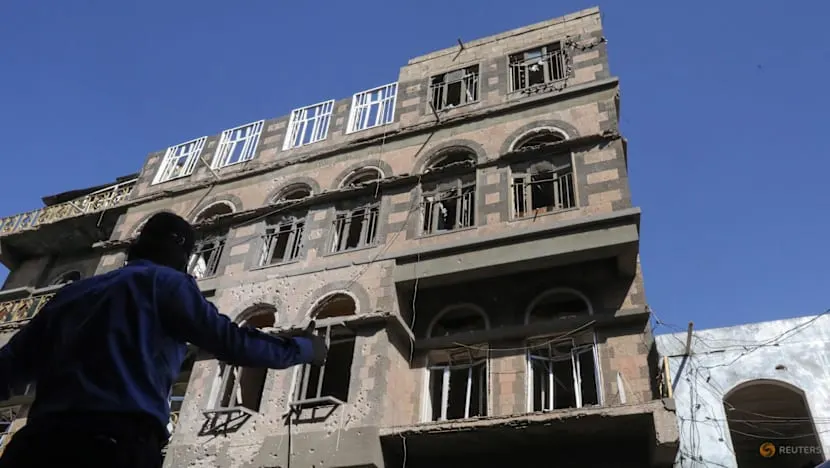
Saudi Arabia said on Saturday it shot down a cruise missile aimed at its capital, Riyadh, as the country and Yemen's Houthi movement continue to strike each other's territory. The exchange came shortly after Houthi-run media reported a Saudi attack on Sanaa, which the group controls. The escalation matters because Yemen's civil war reignited over the summer, and Houthi attacks have been hitting Saudi energy facilities, airports and Riyadh's financial district almost daily.
A Saudi-led coalition backing Yemen's internationally recognised government has been regularly bombing Houthi-controlled areas, and the Iran-backed group has responded by targeting the oil-rich kingdom. Saudi coalition spokesperson Turki Al-Malki said air defences destroyed the cruise missile on X. Houthi news agency Saba reported that eight homes and three shops were damaged in a strike on the Bir Abu Shamlah neighbourhood of Sanaa. Houthi-run Health Ministry spokesman Anees al-Asbahi said at least 15 people were wounded, including two women. Later on Saturday, the coalition said it had also intercepted a ballistic missile fired at southern Saudi Arabia.
In short
- Saudi Arabia says it downed a Houthi cruise missile aimed at Riyadh.
- Houthi media reported Saudi strikes on Sanaa, wounding at least 15 people.
- Houthi attacks on Saudi targets have been near-daily since summer.
Steelman: both sides, in good faith
The strongest fair case each way — we don't pick a winner.
The case for
The Saudi-led coalition's case is that it is defending a internationally recognised government and its own territory against a movement that receives Iranian weapons and is firing cruise and ballistic missiles at populated cities and critical infrastructure. From this view, intercepting missiles and striking launch sites and command facilities is a legitimate exercise of self-defence, and restraint would only encourage an adversary that targets civilians. Supporters argue that the Houthis, having rejected the UN-backed political process, bear primary responsibility for the escalation and its human costs, and that a credible deterrent is the most realistic route back to negotiation.
The case against
The Houthi perspective is that they govern large populations in Sanaa and that the Saudi-led air campaign against their territory, sustained for years, is the underlying source of the violence. From this standpoint, missile and drone attacks on Saudi energy facilities and airports are a response to bombardment and economic restrictions that have devastated Yemen's civilians, and a defence of national sovereignty against a foreign intervention that has not achieved a decisive outcome. Critics of the coalition add that strikes on residential areas, such as the reported damage in Sanaa, undermine any claim to proportionality, and that a durable settlement requires ending the bombing and easing restrictions rather than escalating them.