World news and discussion on TalkFuse.
India’s bottled-water crackdown widens as new Bisleri sample found with bacteria
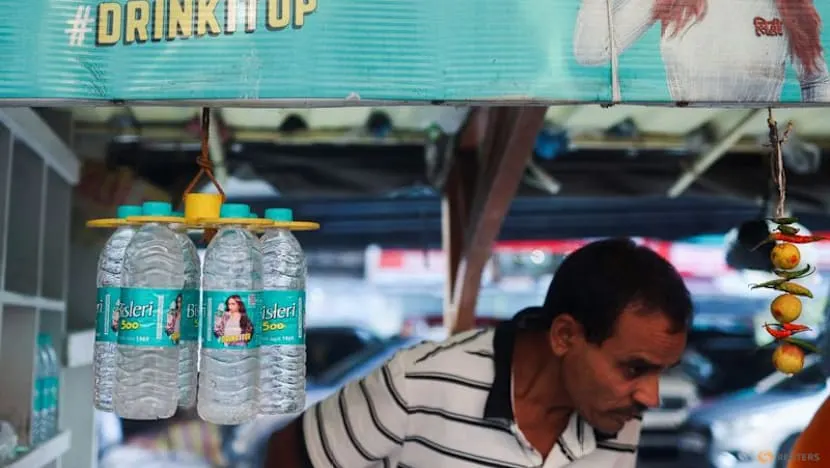
Indian food safety authorities have found a sample of Bisleri packaged water unsafe after detecting coliform bacteria, widening scrutiny of India’s best-known bottled-water brand. The finding matters because bottled water is a daily necessity for many Indian households and restaurants, and the regulator has called for stronger industry-wide checks.
A notice dated 12 August asked Bisleri to stop selling the affected batch, which the company says it recalled; government and referral laboratory tests found coliform, while Bisleri says its own independent tests found the batch met safety standards. The company says the conflicting results need a thorough review and that it will co-operate with the regulator. The case follows a separate unsafe sample finding involving chemicals, and authorities have asked states to increase inspections and risk-based sampling across the sector.
In short
- A Bisleri sample was found to contain coliform bacteria.
- The company says it recalled the batch but disputes the test results.
- Indian authorities are stepping up checks across bottled-water brands.
Steelman: both sides, in good faith
The strongest fair case each way — we don't pick a winner.
The case for
Regulators argue that coliform bacteria is a direct sign of faecal contamination, so a detection in a government or referral laboratory justifies prompt, precautionary action, especially for a product that households and restaurants rely on and cannot easily verify themselves. The separate chemical finding suggests a sector-wide risk rather than an isolated lapse, which makes stronger inspections and risk-based sampling a proportionate response. Public confidence in a widely trusted product also depends on regulators acting decisively, and a company's internal test results should not outweigh official testing carried out under established methods.
The case against
Bisleri contends that a single contested result should not justify a brand-wide crackdown before the conflicting data has been properly reconciled. Results from different laboratories can vary with sampling, storage, transport and testing method, so a thorough review is needed before a batch is judged unsafe. The company also has a legitimate interest in proportionate, transparent enforcement, since a sweeping response could harm its business, its workers and consumer trust in products that meet safety standards. Its recall and offer to co-operate with the regulator can be read as a responsible commitment to safety rather than evasion.
Asia Culture Food Health Medicine World