Technology news and discussion on TalkFuse.
Three days in the dark: How prepared are we for the lights to go out?
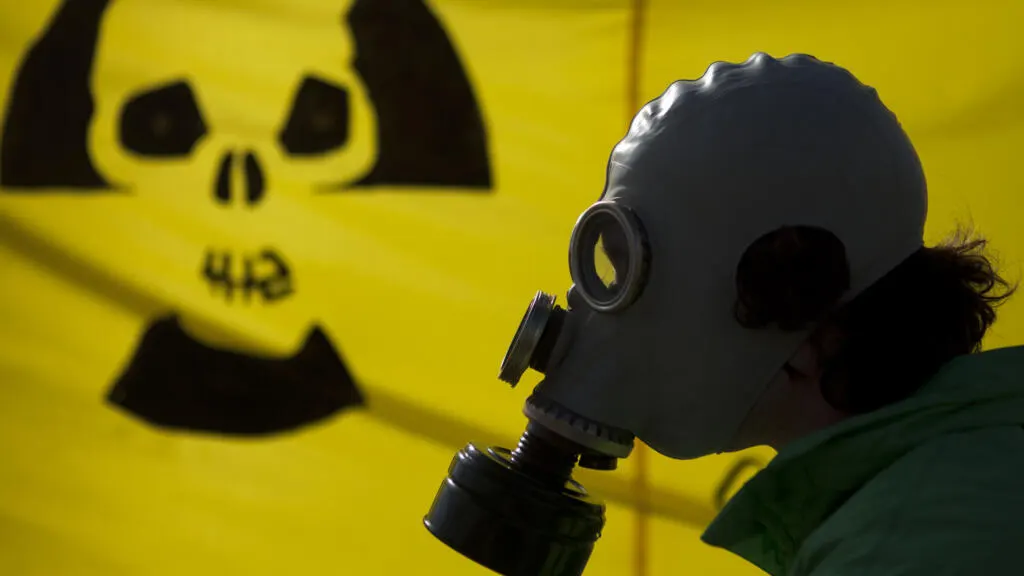
France’s 72-hour emergency-preparedness guidance is drawing renewed attention as European governments encourage households to cope without essential services for three days. Officials and security experts say cyberattacks, sabotage and failures in interconnected systems could disrupt power, water, communications and supply chains, making household readiness a practical part of national resilience.
France’s kit includes six litres of bottled water per person, non-perishable food, a wind-up radio, cash, a torch and identity documents. The UK’s “Be Ready” campaign advises people in England and Wales to prepare for 72 hours without power, water or internet, while Ireland sent emergency-readiness booklets to 2.2 million homes. Recent examples of disruption include a global Microsoft outage, a US aviation ground stop and a JP Morgan Chase transaction-processing failure, which the bank attributed to an internal hardware bug rather than a cyberattack.
In short
- France promotes household readiness for 72 hours without essential services.
- The UK and Ireland have introduced similar preparedness initiatives.
- Recent outages show how dependent vital services are on connected systems.
Steelman: both sides, in good faith
The strongest fair case each way — we don't pick a winner.
The case for
Modern power, water and communications networks depend heavily on one another and on digital systems, so a cyberattack, act of sabotage or software failure could cause widespread outages that last well beyond the first few hours, when emergency services are most stretched. Advocates argue that households able to look after themselves for three days ease pressure on responders, protect the most vulnerable people, and help communities recover faster. From this view, asking citizens to prepare is an honest and prudent expression of shared resilience, and it is far better to act calmly beforehand than to improvise in a crisis.
The case against
Critics accept that disruption is possible but argue that preparedness messaging can quietly shift responsibility away from governments and operators, who are best placed to harden grids, water supplies and networks against attack and failure. They warn that public campaigns can generate anxiety without giving people proportionate reassurance or clear grounds for concern. Kits cost money, so the burden falls hardest on lower-income households, and some recent disruptions were caused by internal technical faults rather than hostile action, which may suggest the threat is being framed more dramatically than the evidence supports. From this perspective, the priority should be robust public infrastructure and a fair, well-funded state response rather than individual stockpiling.
Cybersecurity Europe Technology World