Politics news and discussion on TalkFuse.
UN tribunal allows Falklands oil drilling to proceed for now
Developing story first seen 3 hours ago
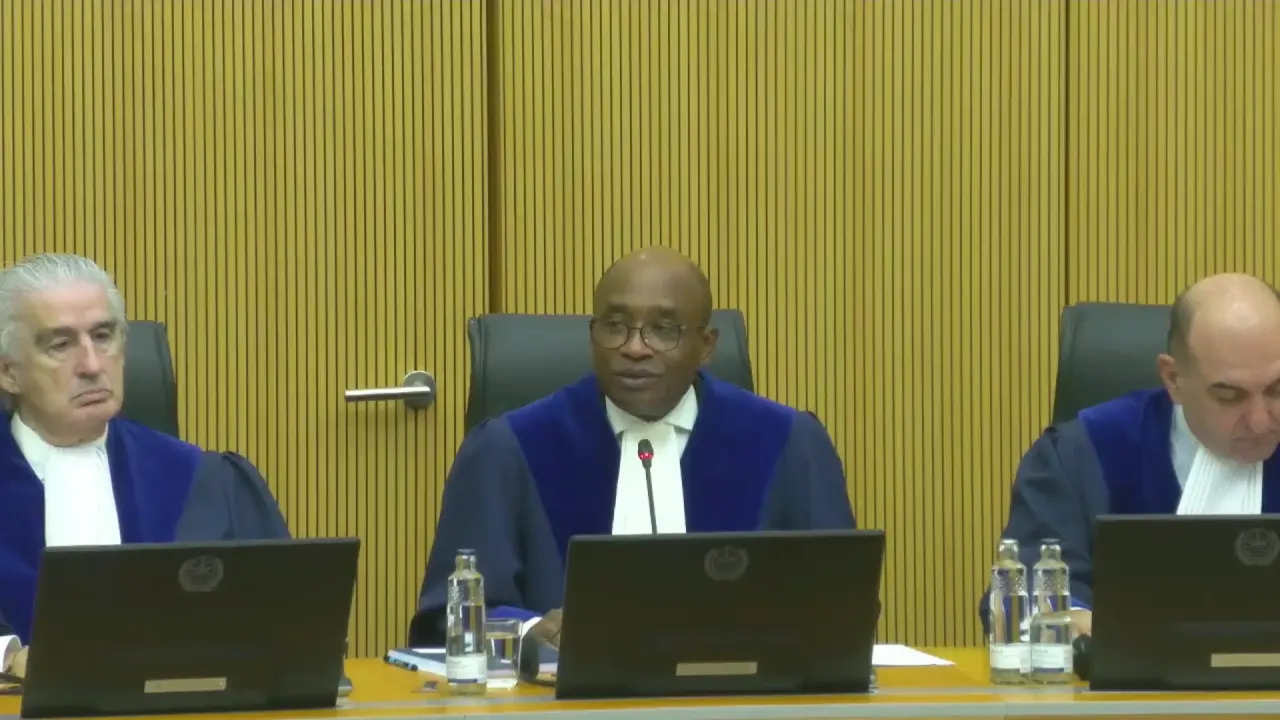
The International Tribunal for the Law of the Sea rejected Argentina’s request to temporarily halt oil drilling off the Falkland Islands, allowing the project to proceed for now. The ruling is a setback for President Javier Milei’s government in its continuing dispute with the UK over sovereignty and control of the surrounding waters.
Judges voted 18 to three against the request, which Argentina filed on 13 October 2026. The dispute centres on the Sea Lion field, estimated to contain 1.7 billion barrels of oil. The UK says islanders can develop their natural resources and points to the 2013 vote in which 99.8 per cent chose to remain British; Argentina has also filed a criminal complaint against companies involved in the project.
- Sources
- 2
- Outlets
- 2
- Left · Centre · Right
- 1 · 0 · 1
In short
- UN tribunal rejects Argentina’s bid to halt Falklands oil drilling.
- The decision was made by 18 votes to three.
- Sea Lion is estimated to hold 1.7 billion barrels of oil.
How this story developed
- 59 minutes ago Judges voted 18 to three to reject Argentina's October 2026 request, while Argentina has now filed a criminal complaint against Navitas Petroleum, Rockhopper and associated companies and executives, alleging unauthorised exploration and production.
- 1 hour ago The International Tribunal for the Law of the Sea has refused Argentina's request to temporarily halt oil drilling off the Falkland Islands, allowing the Sea Lion project to continue for now, in a setback for President Javier Milei's government.
Where outlets differ
Left-leaning outlets 1
Only here: argentina, fails, block, falkland, islands
Right-leaning outlets 1
Only here: tribunal, allows, falklands, proceed
Every side used: drilling
Headline columns compared word for word; nothing in them is AI-written.
Steelman: both sides, in good faith
The strongest fair case each way — we don't pick a winner.
The case for
The UK's position rests on the principle of self-determination: Falkland Islanders have repeatedly expressed their wish to remain British, most recently in the 2013 vote in which 99.8 per cent chose that path, and a people entitled to govern itself is entitled to develop the natural resources on which its future depends. Supporters also point out that the Law of the Sea Convention grants coastal jurisdictions rights to explore and exploit resources within their maritime zones, and that the tribunal's decision not to impose an interim halt suggests the case for stopping the project did not meet the required threshold. For them, suspending a lawful, locally endorsed project on the strength of a contested claim would set a troubling precedent.
The case against
Argentina's government maintains that the Falklands, which it calls the Malvinas, are part of its national territory, and that surrounding waters cannot be treated as settled while sovereignty remains disputed. From this view, unilateral drilling pre-empts a negotiated outcome that United Nations resolutions have long called for, and it asserts resource rights in waters that Buenos Aires regards as its own. Supporters of the complaint also stress the environmental and legal risks of offshore oil activity in a sensitive South Atlantic ecosystem, and argue that seeking interim measures and filing a criminal complaint are proper ways to uphold the rule of law when diplomacy has stalled. On this reading, the ruling is a procedural pause rather than a verdict, and the underlying question of who has the right to decide remains unresolved.
Explained simply
The Falkland Islands are a small British territory in the South Atlantic, roughly 500 kilometres off the coast of Argentina. Argentina calls them the Islas Malvinas and has claimed sovereignty since Britain took control in 1833. The two countries fought a brief war in 1982, after Argentina invaded, and Britain retook the islands within weeks.
The current dispute concerns the seas around the islands and the oil that may lie beneath them. The Sea Lion field, estimated to hold 1.7 billion barrels of oil, is being developed by companies involved in the project. Britain says islanders have the right to develop their natural resources and points to a 2013 referendum in which 99.8 per cent voted to remain British. Argentina disputes that the islanders' wishes settle the question of sovereignty.
The issue matters because it combines control of valuable offshore resources with long-standing national claims in both countries. President Javier Milei's government has pursued the matter through legal channels, including a criminal complaint against companies involved in the project. The International Tribunal for the Law of the Sea, based in Hamburg, is the UN body that settles disputes under the UN Convention on the Law of the Sea, the treaty that sets rules for coastal waters and seabeds.
Coverage · 2 sources
Bias meters
From 2 rated sources.
Elections Geopolitics Government Politics UK World
Read the full article at the source →
Originally published by GB News as “Argentina’s bid to block Falkland Islands oil drilling slapped down by UN court”.