World news and discussion on TalkFuse.
Dustin Hoffman’s accusers slam his memoir — and claim more women have privately alleged sexual misconduct
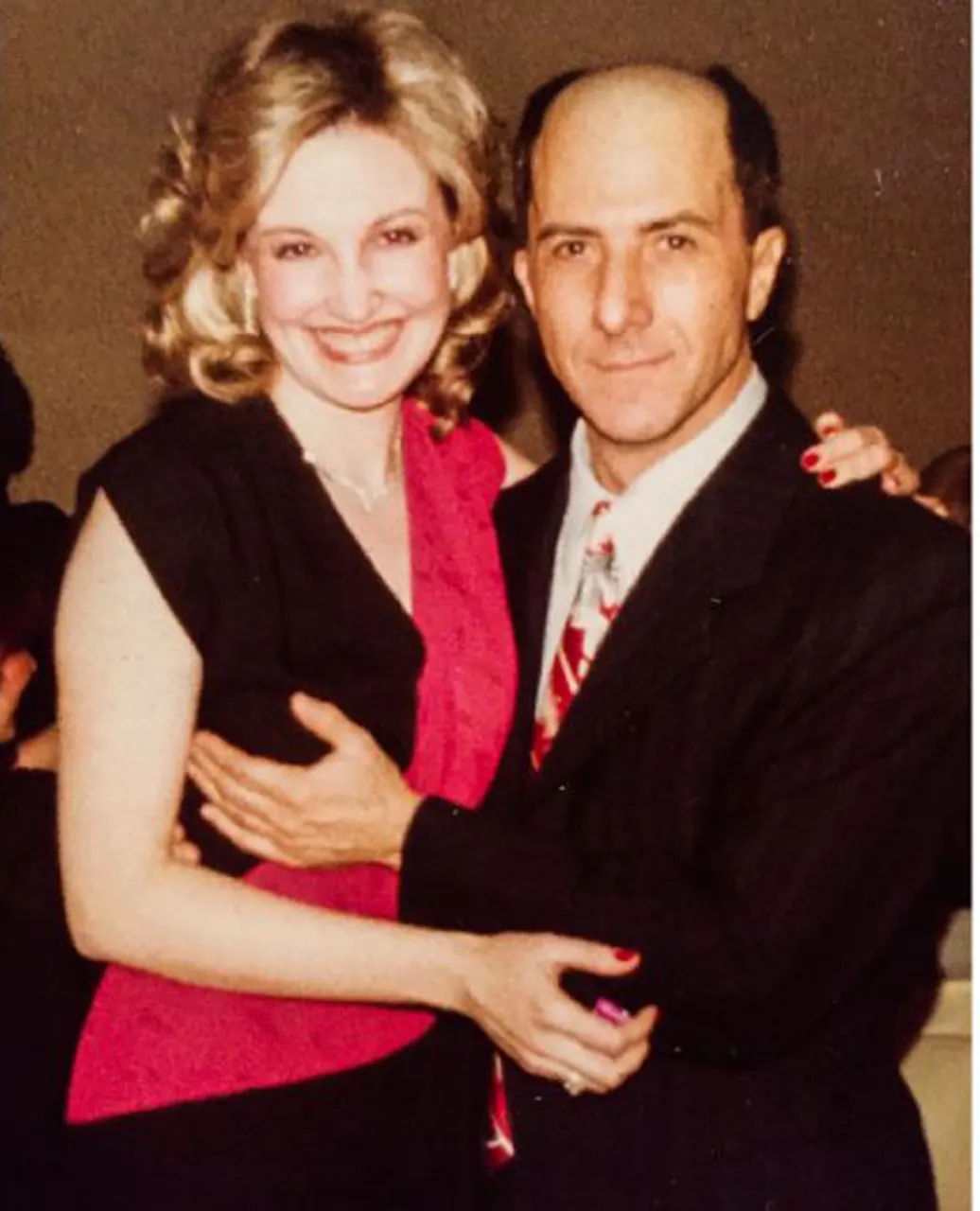
Three women who previously accused Dustin Hoffman of sexual misconduct have criticised his new memoir, saying it minimises their accounts and presents him as a victim. They also say other women have privately described allegations against him, some of which have never been made public.
Hoffman’s memoir, “Look at Me”, was published on 10 November and became a bestseller. He writes that he may have made women uncomfortable decades ago, but calls discomfort subjective, and compares the #MeToo reckoning to the McCarthy era. Hoffman, 89, has not been arrested or charged; his legal team denied the allegations in 2017. One accuser estimates that about ten women are in a private circle, including three who have not spoken publicly.
In short
- Three accusers say Hoffman’s memoir dismisses their accounts.
- They report that other women have shared allegations privately.
- Hoffman’s lawyers denied the accusations in 2017.
Steelman: both sides, in good faith
The strongest fair case each way — we don't pick a winner.
The case for
Those who side with the accusers argue that a memoir by a prominent figure becomes part of the public record, so the accounts of women who say they were harmed deserve to be presented accurately rather than minimised. They see describing misconduct as mere discomfort, and framing the author as the injured party, as a way of shifting attention from the power imbalances at the heart of the allegations. Where several people independently describe similar conduct, and others say they have privately come forward or feel unable to speak, they contend that the pattern deserves serious weight, and that the wider reckoning over workplace abuse should not be judged only by whether a criminal charge was brought.
The case against
Those who side with Hoffman argue that he is entitled to tell his own story and to reflect on his past in his own terms, and that a memoir is a personal account rather than a legal defence. He has not been charged with any offence, and his legal team has denied the allegations, so they believe the presumption of innocence should inform how the claims are reported. They are concerned that accusations circulated quickly and without thorough testing can carry lasting reputational damage, and they point to the McCarthy comparison as a warning about the dangers of unverified accusation. From this view, the distinction between discomfort and wrongdoing can matter, because intent, context and the passage of decades all bear on how past conduct should be understood.
Explained simply
Dustin Hoffman is one of Hollywood's most celebrated actors, known for films such as "The Graduate", "Kramer vs. Kramer" and "Tootsie", and he has been a prominent figure in the American film industry for more than half a century. In the wake of the #MeToo movement, which began in 2017 and encouraged people to speak publicly about sexual harassment and abuse, several women came forward with accusations of sexual misconduct against him. Hoffman's legal team denied those allegations at the time, and he has never been arrested or charged with a crime.
Hoffman has now published a memoir, "Look at Me", in which he addresses those past accusations. Three of the women who previously spoke out have criticised the book, arguing that it plays down their experiences and portrays him as a victim. They also say that other women have privately described their own allegations against him, some of which have never been made public.
The dispute matters because it touches on wider questions about how public figures account for past behaviour, and how far allegations that have not been tested in court should shape public understanding. It also reflects the ongoing debate about how the #MeToo movement should be remembered, with some people viewing it as a necessary reckoning and others raising concerns about its fairness.