Health news and discussion on TalkFuse.
Queens councilman demands probe into ‘worst’ slumlord’s lucrative NYC homeless shelter deals
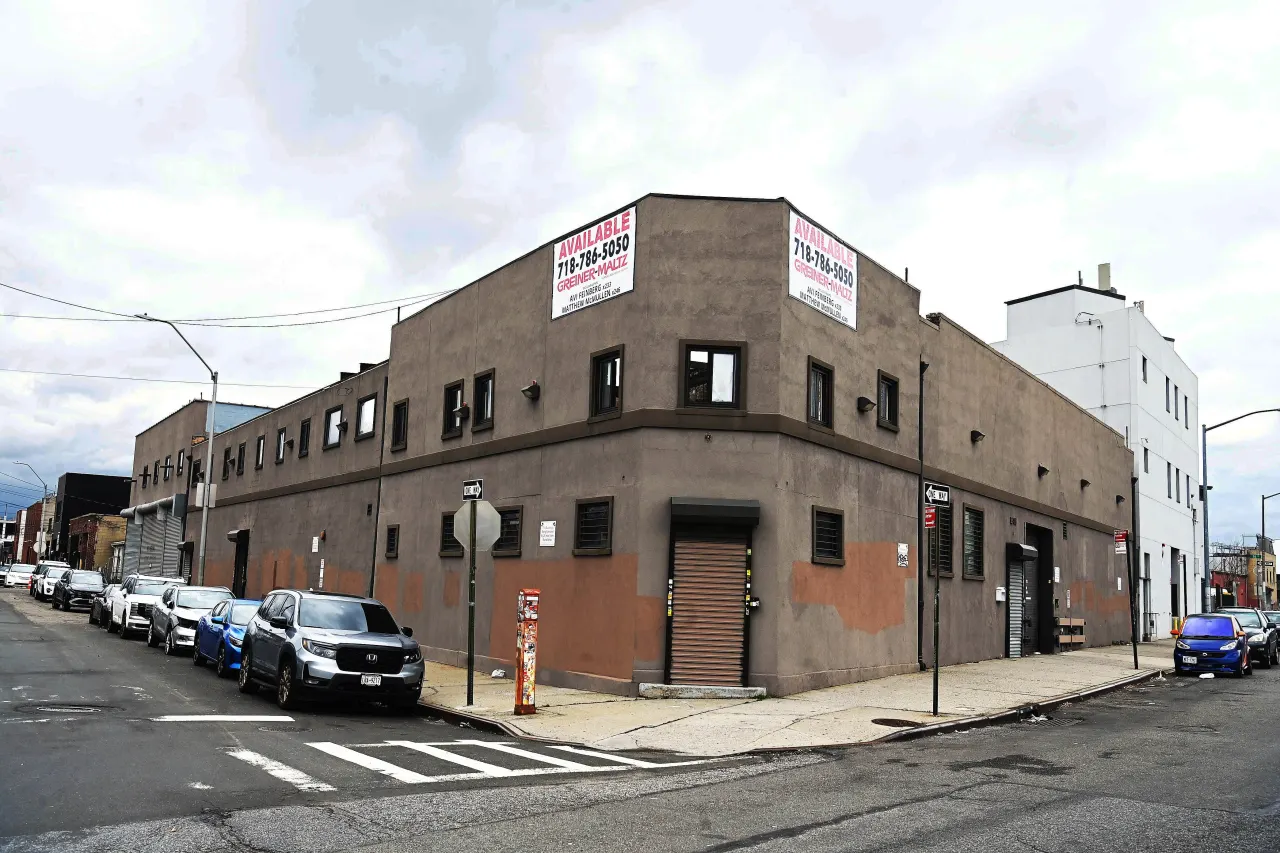
Queens Councilman Phil Wong has called for a wide-ranging investigation into New York City's homeless shelter system, focusing on whether developer David Levitan, whose Liberty One Group has been described by the Public Advocate's office as one of the city's "worst" landlords, is receiving preferential treatment in winning lucrative city contracts. Wong has written to the Department of Investigation, the city and state comptrollers, the state attorney general and the US Department of Housing and Urban Development, citing media reports of housing violations at Levitan's properties. The letters raise concerns that the company buys sites shortly before the city designates them as shelters, then leases them to nonprofits, and that taxpayer money may not be spent fairly.
The dispute centres on a planned 175-bed single-male shelter in a Maspeth warehouse that Liberty One bought in August 2024 for $8 million, roughly 1,000 feet from PS 9, a school serving 600 special-needs children. The site is leased to nonprofit Lantern Community Services, which holds a five-year, $61.3 million contract with the Department of Homeless Services. A 2021 New York Times report found that Levitan and associates owned 14 of 49 buildings that became shelters under former mayor Bill de Blasio, despite serious violations, and a 2024 Department of Investigation review of 51 city-funded shelter providers identified nepotism, weak competitive bidding and excessive salaries. The comptrollers' offices are reviewing the request, the Department of Investigation declined to comment, and other agencies and companies did not respond.
In short
- Councilman seeks probe into NYC shelter contracts tied to a controversial developer.
- Developer allegedly buys sites before shelters are announced, then profits from leases.
- Proposed Maspeth shelter sits near a school serving 600 special-needs children.
- Comptrollers are reviewing the request; the Department of Investigation declined comment.
Steelman: both sides, in good faith
The strongest fair case each way — we don't pick a winner.
The case for
Supporters of the probe argue that a city spending tens of millions of dollars on shelter contracts owes the public rigorous scrutiny, and that a pattern of buying sites shortly before they are designated, alongside documented violations at associated buildings, justifies an independent look at how awards are made. They point to the 2024 Department of Investigation findings on nepotism and weak competitive bidding as evidence that oversight gaps are real rather than hypothetical. For them, a 175-bed single-male shelter roughly 1,000 feet from a school serving 600 special-needs children makes thorough review a matter of child safety as well as fiscal integrity, and a transparent inquiry protects honest providers as much as it exposes wrongdoing.
The case against
Defenders of the existing arrangements contend that the city needs shelter capacity quickly, and that experienced developers willing to acquire and convert buildings are a practical part of meeting that demand rather than evidence of favouritism. They note that a nonprofit operator holds the lease and contract, and that a company's past violations, while serious, do not in themselves prove that a particular award was improperly secured, so a probe risks treating media reporting as findings. They may also worry that repeated investigations could deter capable operators from bidding and delay beds that people need now, and that accountability should rest on specific evidence of wrongdoing rather than on the timing of purchases alone.
Explained simply
New York City pays private property owners and nonprofit groups to run homeless shelters, often in buildings that the owners bought for that purpose. These arrangements can be worth millions of dollars and are overseen by the city's Department of Homeless Services. Questions have focused on whether some companies win this work more easily than others.
David Levitan runs Liberty One Group, a property company that has owned several buildings used as shelters. The city's Public Advocate's office, which acts as an advocate for residents, has described the firm as one of the city's "worst" landlords. Queens City Council member Phil Wong has asked city, state and federal bodies to examine the system.
The city spends public money on these contracts, so there is interest in whether they are awarded fairly and whether housing conditions meet legal standards. A 2021 New York Times report found that Levitan and associates owned 14 of 49 buildings that became shelters under former mayor Bill de Blasio, despite serious violations. A 2024 review by the Department of Investigation of 51 city-funded shelter providers raised concerns about family connections between organisations, weak competitive bidding and high salaries. These points are reports and concerns rather than proven findings against any individual.