Entertainment news and discussion on TalkFuse.
In 1977, Jeff Lynne recorded one of his greatest songs. Decades later, he did it all over again
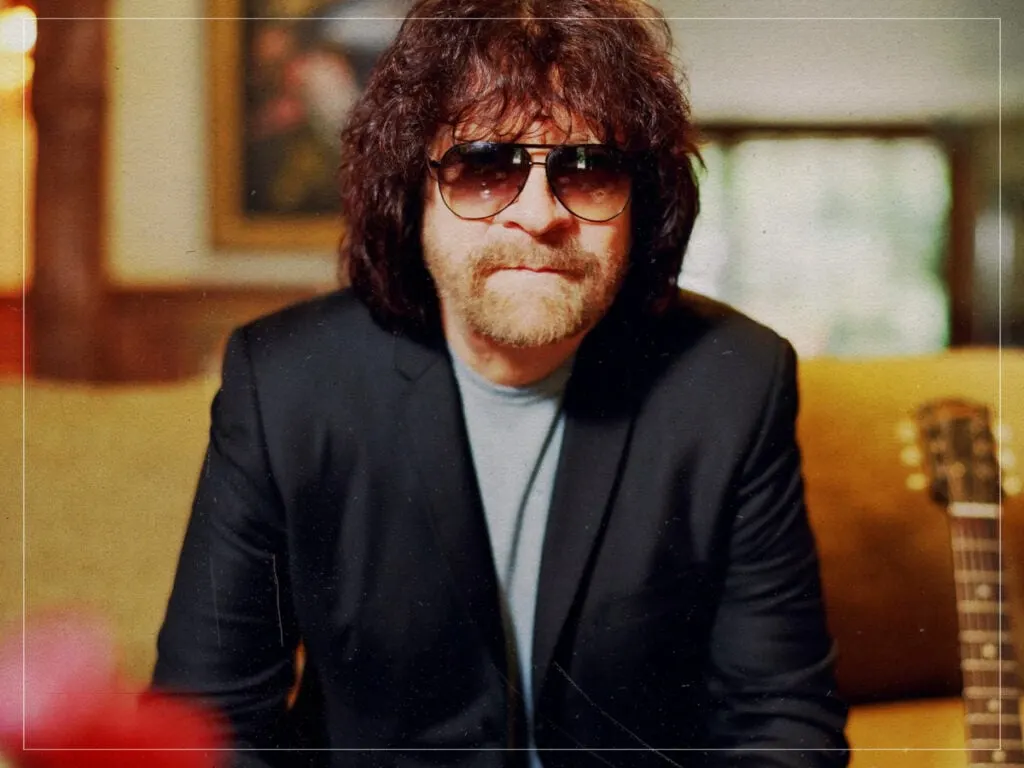
The article looks back at Jeff Lynne's 1977 song 'Mr Blue Sky' and at his decision to re-record it decades later. He felt the original recordings of his classics sounded thin compared with his later work, and he began reworking them with more atmosphere and modern production. The piece argues that his reinterpretations deserve attention, particularly given the song's reach through films such as Guardians of the Galaxy.
Lynne says he started with 'Mr Blue Sky' on impulse, then re-recorded three or four more songs, after which his manager encouraged him to keep going. He explains that he was fixing parts of the original albums he disliked, and that his 27 years of additional experience as a producer informed the new versions. The article also names 'Strange Magic' and 'Can't Get It Out of My Head' as other songs that have found new listeners.
In short
- Jeff Lynne re-recorded his 1977 song 'Mr Blue Sky' decades later.
- He felt his original classics sounded thin compared with newer work.
- Modern production gave the reworked songs a more atmospheric sound.
Steelman: both sides, in good faith
The strongest fair case each way — we don't pick a winner.
The case for
Artists have a legitimate claim to revisit their own work with the skill and tools they have gained since, and treating an earlier recording as unfinished can be a sincere expression of craft rather than vanity. Jeff Lynne's reasons, fixing parts of the originals he disliked and bringing more atmosphere and modern production, reflect a producer's judgement that the music deserved a fuller realisation. Newer versions can also introduce older songs to listeners who would never have found the originals, as the film placements mentioned in the article suggest, and they let the creator shape how the work is heard today.
The case against
Original recordings are historical documents of a particular moment, with limitations that are part of their character and that many listeners value precisely because they are unaltered. A later version, however well made, can gradually overshadow or replace the one people first loved, and it can blur the record of how the work was originally made and performed. Those who grew up with the originals may feel that a revision changes something they regard as settled, and a catalogue full of alternative versions makes it harder to say which recording is the definitive one.