World news and discussion on TalkFuse.
EPA testing finds Iowa Army detonation did not raise lead in drinking water
Developed over time first seen 1 day ago
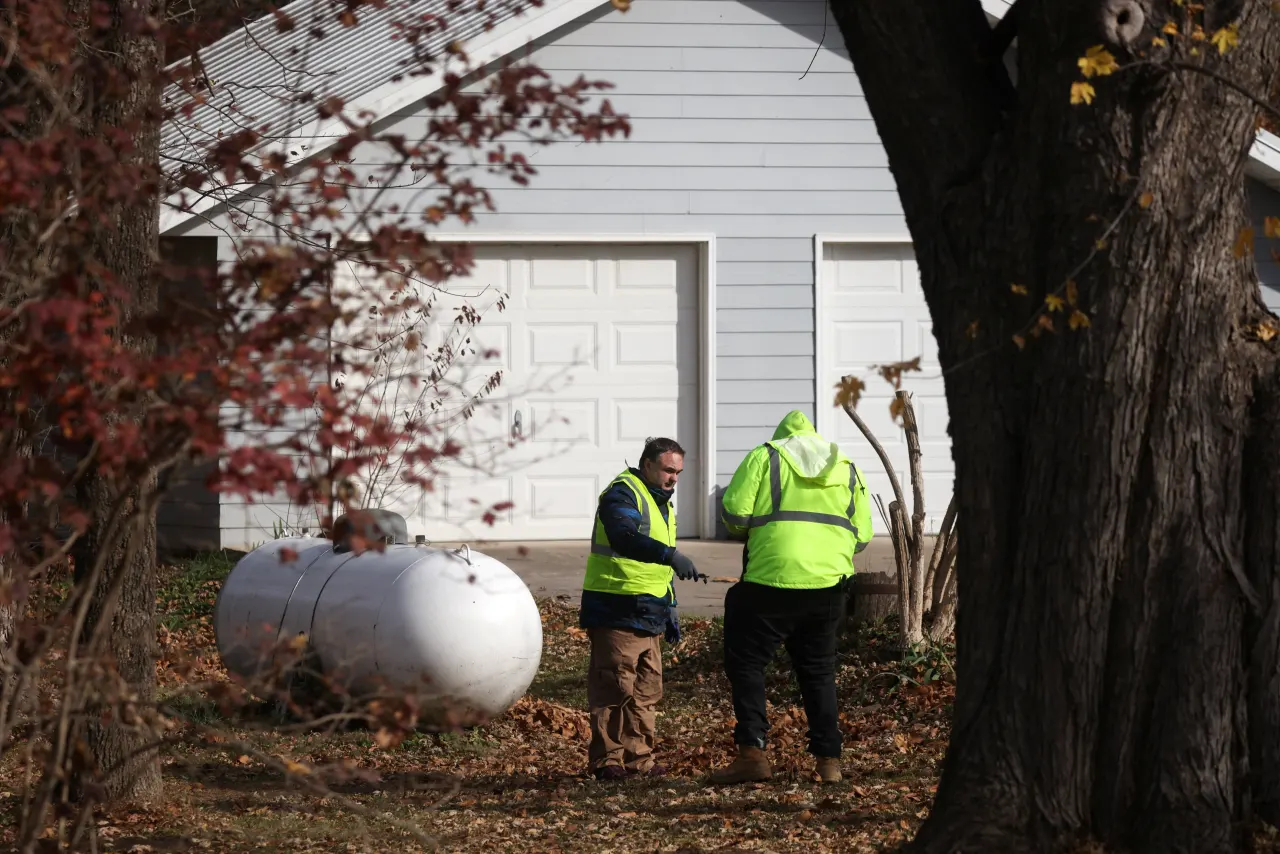
EPA testing found no rise in lead in the water bodies supplying drinking water to southeastern Iowa after the US Army detonated five tons of lead azide. The initial results offer some reassurance, but questions remain about potential contamination and how the Army communicated its plans to residents and officials.
About 300 people took part in sampling across the region. More than 1,500 air, water, soil and dust samples were collected before the detonation, and hundreds afterwards; results from over 3,200 samples were still being validated. The EPA monitored airborne lead for 30 consecutive hours, while the Army said it acted because the ageing stockpile could explode uncontrollably as colder weather approached.
- Sources
- 2
- Outlets
- 2
- Left · Centre · Right
- 1 · 0 · 1
In short
- EPA found no increase in lead in local drinking water sources.
- Testing of more than 3,200 samples was still being validated.
- Residents and officials criticised the limited notice before the detonation.
How this story developed
- 15 hours ago New EPA results show that the Army's controlled detonation of five tons of lead azide in southeastern Iowa did not raise lead levels in local waters used for drinking, though testing continues and residents and elected officials remain critical of the limited public notice given before the operation.
- 22 hours ago Newly released EPA results from over 3,200 samples are still being validated, and the agency has now confirmed that its earlier finding of no rise in lead in drinking-water supplies still stands after about 300 people collected samples across the region.
- 1 day ago The US Environmental Protection Agency's initial results show that the Army's controlled detonation of five tons of lead azide in southeastern Iowa did not increase lead levels in local drinking water sources, though testing continues and residents remain concerned about how the operation was communicated.
Where outlets differ
Left-leaning outlets 1
Only here: elevated, levels, following, explosion
Right-leaning outlets 1
Only here: testing, army, detonation, raise
Every side used: finds, lead, drinking, water, iowa
Headline columns compared word for word; nothing in them is AI-written.
Steelman: both sides, in good faith
The strongest fair case each way — we don't pick a winner.
The case for
Supporters of the detonation argue that the lead azide stockpile was ageing and posed a real risk of uncontrolled explosion, so a planned, controlled detonation was the most responsible way to remove that hazard. They point to early EPA findings that the detonation did not raise lead levels in local drinking water, and to 30 consecutive hours of airborne lead monitoring, as evidence that the precautions worked. From this perspective, public notice had to be weighed against operational safety and the need to act before the material deteriorated further.
The case against
Critics contend that managing a risk does not justify a process that gave residents too little warning to prepare, store water or make informed decisions about their own safety. They argue that public trust depends on open and timely communication, and that the early results, while reassuring, rest on thousands of samples that are still being validated and on testing that is not yet complete. On this view, the Army and officials should have engaged the community earlier and more fully, whatever the final data show.
Explained simply
The US Army carried out a controlled detonation of five tons of lead azide, a highly sensitive explosive once used in detonators and primers, at a site in south-eastern Iowa. The Army said the ageing stockpile was unstable and could explode uncontrollably, so destroying it in a planned blast was considered the safer option.
The Army conducted the operation, while the Environmental Protection Agency (EPA), the federal body responsible for protecting the environment, is testing air, soil, dust and water nearby. Local residents and elected officials have raised concerns, both about possible contamination and about the limited notice the public was given before the blast.
The main worry is lead, a toxic metal that can damage health, particularly in young children, and that can spread through the environment when explosives are destroyed. Whether it reached drinking water is therefore central to public safety. The episode also raises wider questions about how the military stores and disposes of old explosives near towns and how it communicates such operations to the people who live there.
Coverage · 2 sources
Bias meters
From 2 rated sources.
Read the full article at the source →
Originally published by New York Post as “Army’s Iowa lead explosion did not contribute rise in contamination: EPA”.