Politics news and discussion on TalkFuse.
Congress demands Pentagon stop stonewalling on release of UFO files — including mysterious flying triangles
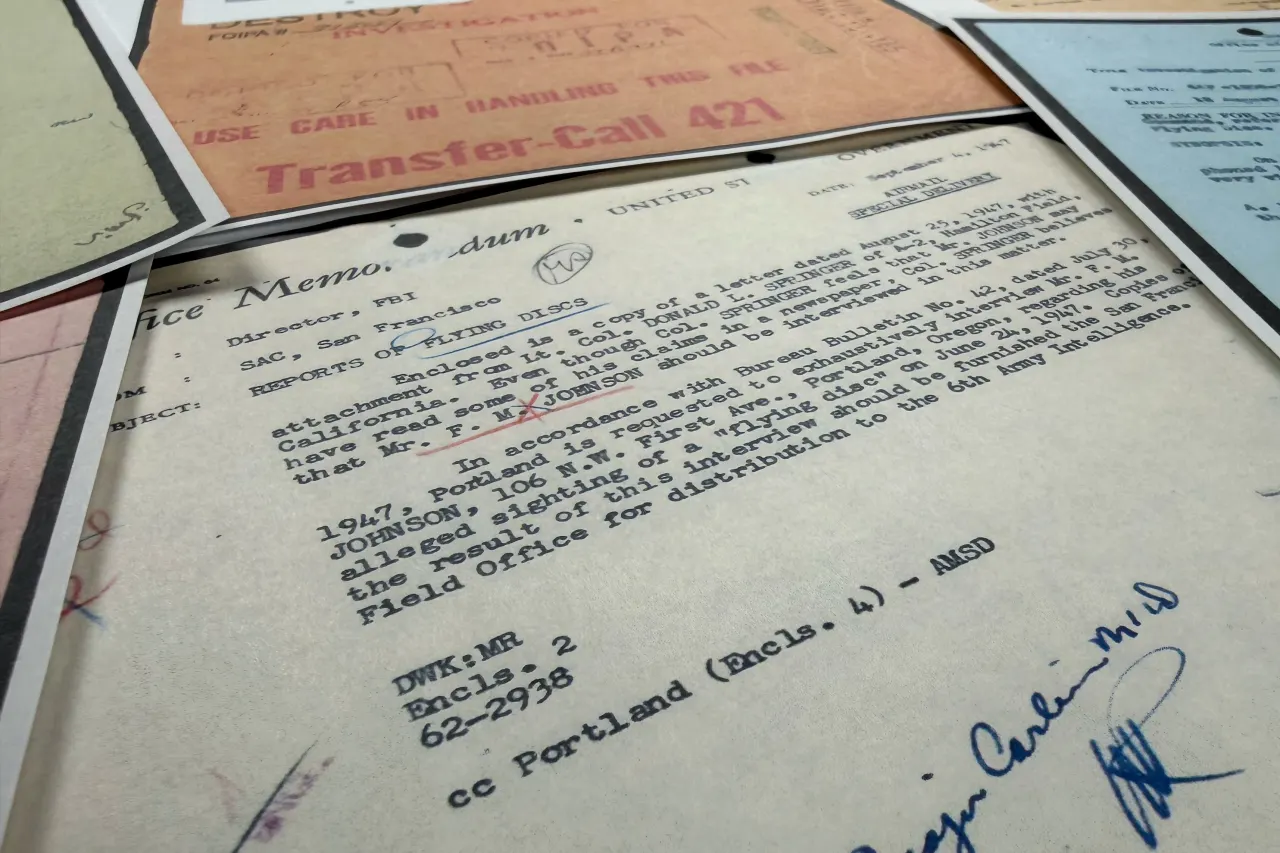
Bipartisan lawmakers have demanded that the Defense Intelligence Agency declassify six UFO files that have been withheld from Congress and the public. The letters, sent on 20 November, challenge the agency's earlier claim that it cannot share "unfinished intelligence" with legislators. The lawmakers argue that this label should not block congressional access or review under the president's UAP-transparency directive.
The requested files include intelligence reports that sources say describe a 2023 video of 100-foot-wide black triangular UFOs, though the letter acknowledges the video may not exist. Another letter seeks classified Soviet-era UFO assessments, smuggled out of the Soviet Union in 1991 by journalist George Knapp, and asks the agency to release a review of those documents. The letters, signed by five representatives, set a response deadline of 4 December.
In short
- Lawmakers demand declassification of six withheld UFO files.
- Letters were sent on 20 November, with a response deadline of 4 December.
- The agency previously refused access, citing "unfinished intelligence".
- Requested reports reportedly describe triangular UFO videos that may not exist.
Steelman: both sides, in good faith
The strongest fair case each way — we don't pick a winner.
The case for
Bipartisan lawmakers argue that Congress cannot perform its constitutional oversight role if an agency can withhold material simply by labelling it 'unfinished'. They contend that the president's UAP-transparency directive was meant to reach such records, and that legislators need direct access to assess what is known, fund programmes responsibly and correct any gaps in the public record. Their letters also acknowledge uncertainty about some items, which they present as a reason for careful review rather than a case for assuming the material is conclusive.
The case against
The Defense Intelligence Agency's position rests on the view that unfinished intelligence is preliminary, unverified and not yet subjected to the analytic tradecraft that gives assessments their reliability. Releasing such material early risks creating false impressions, exposing sources and methods, and lending credibility to claims that later analysis might disprove. From this perspective, protecting the integrity of the analytic process is a legitimate institutional duty, and withholding drafts is not the same as concealing conclusions that have been reached.
Government Paranormal Politics Weird & Viral World