World news and discussion on TalkFuse.
Female migrant hotel workers in Andy Burnham’s backyard ‘given rape whistles’, insider reveals
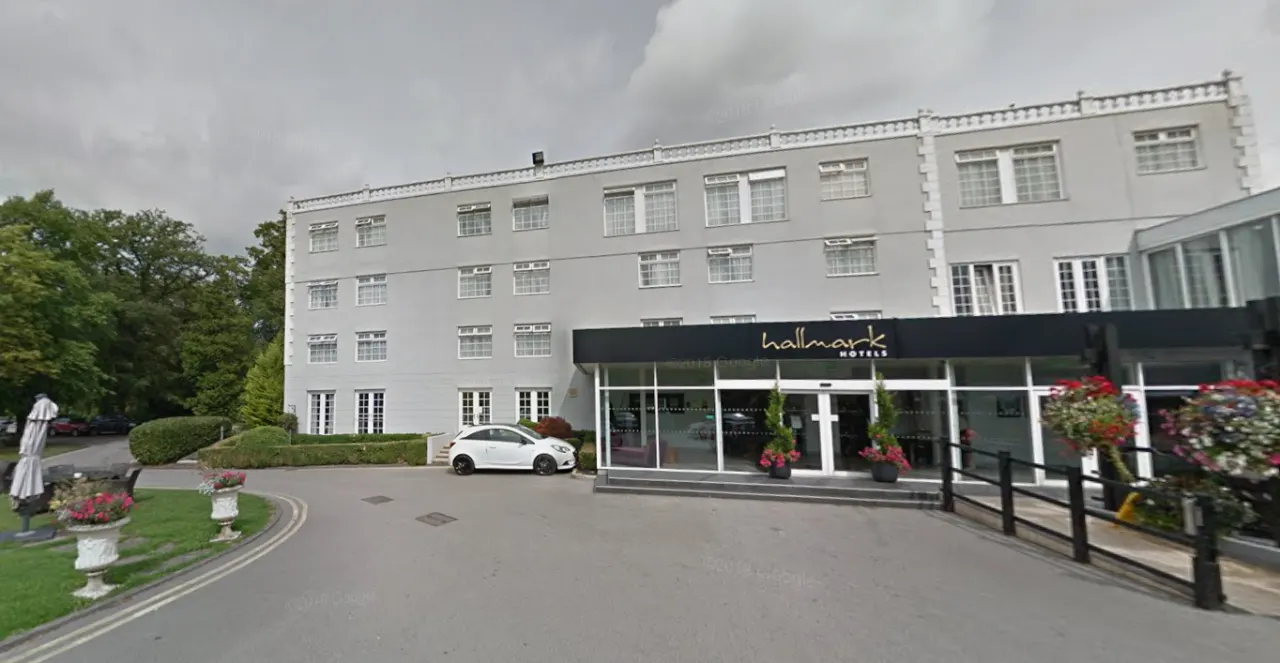
A former deputy manager at the Stanley Hotel near Manchester Airport says female staff were given rape whistles and safety instructions because of concerns about residents’ behaviour. His account describes alleged fights, threats and weapons at the hotel, raising questions about staff safety and how incidents at asylum accommodation are managed.
Kieran Chamley says staff used a buddy system to escort women, some of whom were reportedly followed home, and were advised to shelter in a back office and escape through a window in an emergency. He alleges security was reduced, police attended only about a quarter of fights, and Serco was responsible for reporting incidents. The article also cites a cost of £199 per migrant per night and says 16,021 asylum seekers were housed in hotels as of June 2026; these claims are attributed to the former worker or the article.
In short
- A former hotel manager describes safety measures for female staff.
- He alleges fights, threats and weapons at the accommodation.
- The article cites a hotel cost of £199 per migrant per night.
Steelman: both sides, in good faith
The strongest fair case each way — we don't pick a winner.
The case for
Those who press for stronger scrutiny of asylum hotels argue that the safety of staff and local residents is a legitimate public concern, and that a former senior employee's account of alleged threats, weapons and under-reported police call-outs deserves a full, independent investigation. They contend that the public has a right to know how contracted providers such as Serco record and report incidents, and whether security levels match the risks. They also point to the £199 nightly cost per person as a reason to ask whether hotels are the most effective and accountable way to house asylum seekers.
The case against
Those who defend the current system stress that a single insider account, however serious, should be verified against official records, incident data and independent inspections before it shapes policy or public perception. They argue that asylum seekers are themselves vulnerable, often traumatised people, and that reporting which highlights risks can stigmatise them and fuel hostility toward them and the staff who work alongside them. They also note that hotels were used because of pressure on the asylum system, and that the real question is how to reduce backlogs and improve support and oversight, rather than whether the buildings should be used at all.