World news and discussion on TalkFuse.
A 1964 hit became an American radio staple. Half a century later, Billy Joel still wanted to talk about the two voices on it
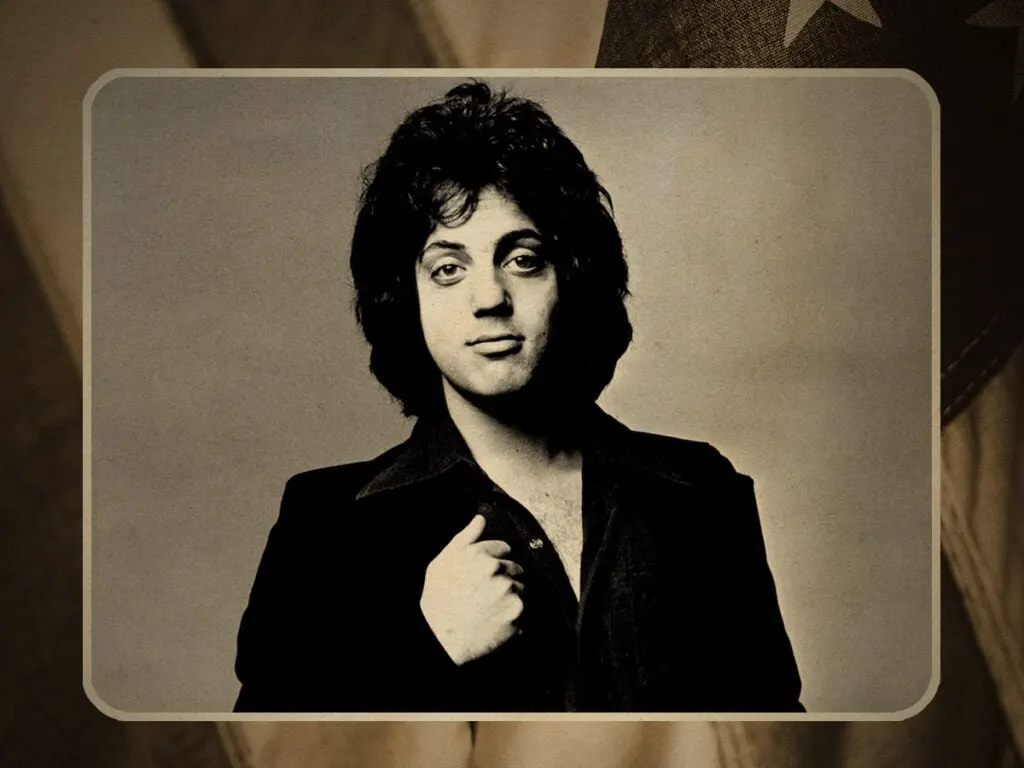
Billy Joel said in a 2016 interview that The Righteous Brothers’ 1964 recording of “You’ve Lost That Lovin’ Feelin’” was one of his favourite recordings of all time. He praised the atmosphere created by Phil Spector’s production and the pair’s vocals, describing their harmonies as “magic”. The song’s impact on Joel offers a glimpse of the music that shaped his own approach to songwriting.
The article says the track became the most-played song of the 20th century in the United States, despite those involved not expecting it to be a major hit. Its accessible sentiment, chord progressions, vocal performances and Spector’s “Wall of Sound” production helped make it influential among musicians and producers, including Brian Wilson and George Martin. Joel has sold nearly 160 million records, and the article links his enduring songs such as “Piano Man” and “My Life” to the lessons he drew from music he admired.
In short
- Billy Joel named the 1964 Righteous Brothers recording a favourite.
- He praised its vocals, harmonies and Phil Spector’s production.
- The song became the most-played of the 20th century in the US.
Explained simply
The Righteous Brothers were an American vocal duo made up of Bill Medley and Bobby Hatfield. Their 1964 recording "You've Lost That Lovin' Feelin'" is a ballad about a love that has faded. It was produced by Phil Spector, known for his dense "Wall of Sound" style, which layered many instruments and voices together.
The song was not expected to be a major hit, but it is reported to have become the most-played song of the 20th century in the United States. Its emotional simplicity, chord patterns, vocal performances and production made it influential among musicians and producers, including Brian Wilson and George Martin.
Billy Joel, the pianist and songwriter behind hits such as "Piano Man" and "My Life", has sold nearly 160 million records. In a 2016 interview, he named the recording as one of his all-time favourites and praised the harmonies he called "magic". His comments show how closely the song is tied to the music that shaped his own songwriting.