New releases, music videos and album news — indie, rap, rock and pop. Always covering Ren, Chris Webby, Sam Tompkins, bbno$, CHINCHILLA, Muse, Yungblud and more.
In 1980, one movie left Clint Eastwood’s career “dead in the water”. He thinks it’s his definitive film
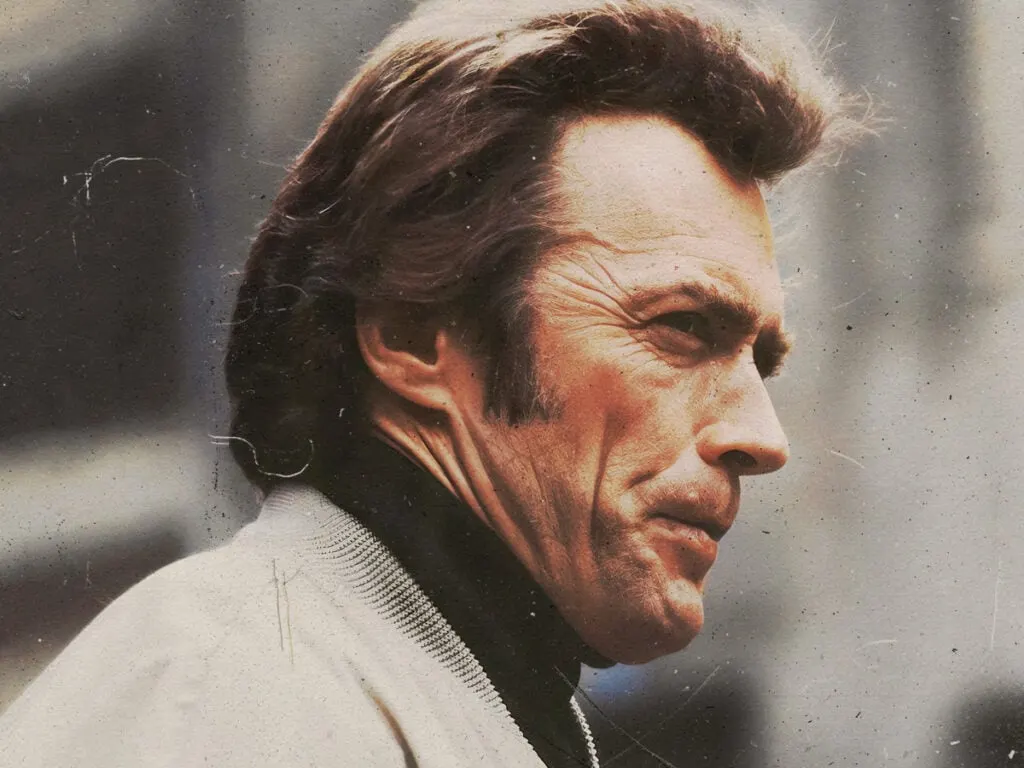
Clint Eastwood's 1980 western comedy Bronco Billy was dismissed by some critics as a sign that his career was finished, with critic Harry Haun declaring the picture "dead in the water". Eastwood, who directed and starred in the film, rejected that verdict and has since described it as his definitive work. The article examines that claim and the reception the film received at the time.
Bronco Billy was his first feature of the 1980s and followed a run of big hits, including Every Which Way but Loose and Escape from Alcatraz. Although it did not match those earlier successes, it earned strong reviews from most critics and returned almost four times its production costs at the box office. Eastwood defended the film, pointing to good notices in America, London and France, and argued that its audience was simply different from that of his more commercial releases.
In short
- Critic Harry Haun wrote off Bronco Billy as a career-ending flop.
- Eastwood disagreed, saying his career would outlast Haun's.
- The film earned strong reviews and nearly four times its costs.
- Eastwood still regards Bronco Billy as his definitive film.
Steelman: both sides, in good faith
The strongest fair case each way — we don't pick a winner.
The case for
The case for regarding Bronco Billy as Eastwood's definitive work rests on its sincere artistic purpose and on the reception it actually received. Its champions point out that most critics praised it, that it returned almost four times its production costs, and that notices from America, London and France were largely favourable. They argue that its gentle story of a travelling Wild West show expresses a personal vision that the commercial hits of the period were never designed to convey, so judging it by their standards misreads what Eastwood was attempting.
The case against
The view that the film marked a turning point rests largely on comparison with what came before. Following Every Which Way but Loose and Escape from Alcatraz, a modest western comedy looked to some observers like a retreat from the mainstream appeal that had made Eastwood a bankable star, and its more modest commercial performance seemed to confirm that shift. Critics such as Harry Haun, who judged it dead in the water, were reacting to what they saw as a loss of momentum and a drift toward a lighter, less ambitious style, and their concern was with the direction of his career as much as with the film's craft.