Health news and discussion on TalkFuse.
Why you almost never hear of people having ‘heart cancer’
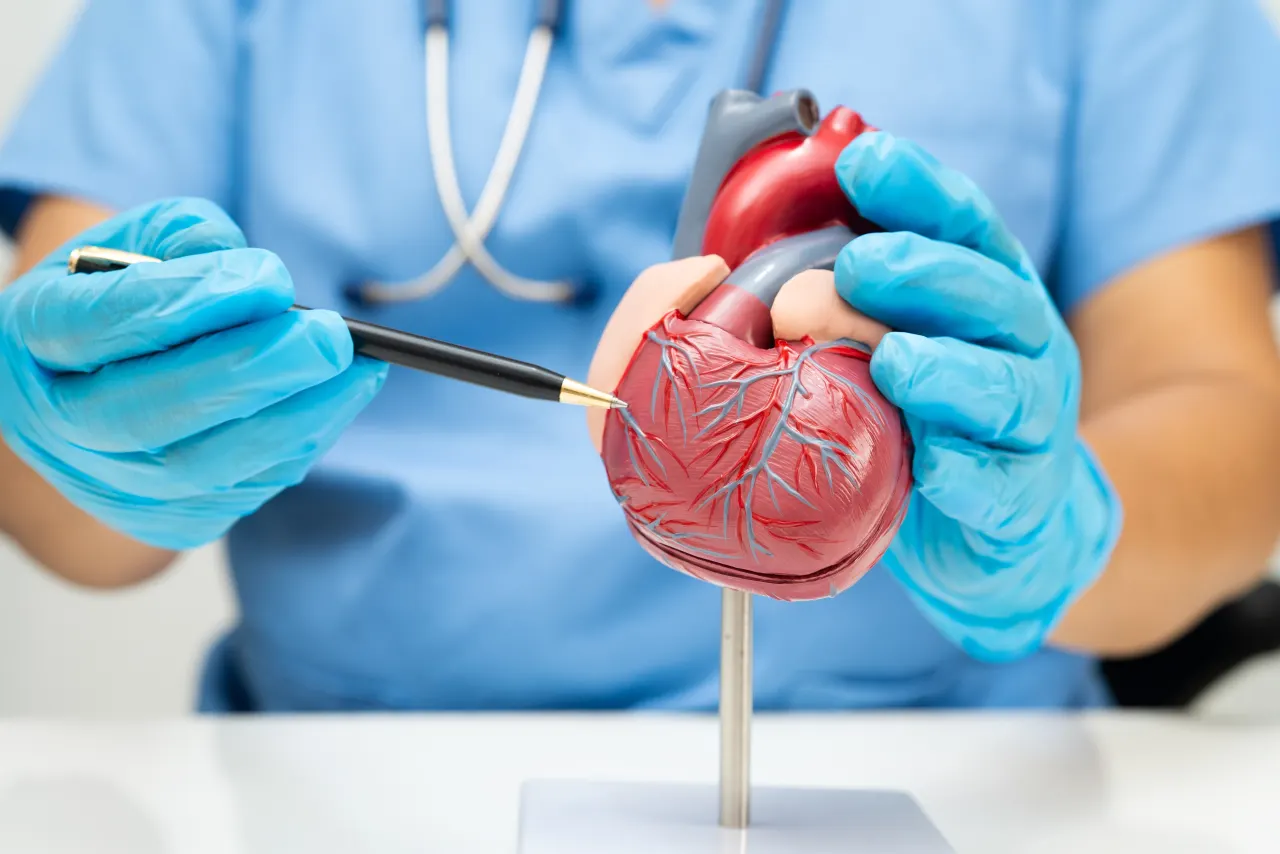
Scientists may have found why cancer rarely takes hold in the heart, despite the organ being constantly exposed to cancer cells in the bloodstream. A new study from Italy suggests that the heart's constant pumping protects it. In mice, cancer spread quickly in a transplanted heart that experienced less mechanical stress, but rarely in the native, actively pumping heart. The findings could inform new treatments for cancers close to the surface, such as skin and breast cancer.
Cancer starting in the heart affects fewer than two in 100,000 people a year. The heart's muscle cells, called cardiomyocytes, use most of their energy for pumping, which limits their ability to divide and repair damage. The researchers identified a protein, Nesprin-2, that helps stabilise cell nuclei under mechanical force, and disabling it caused cancer cells to multiply. Researchers are developing prototype devices that use mechanical stimulation to "massage" tumours, which they hope could improve the delivery of chemotherapy or immunotherapy. Other mechanical approaches already exist, including histotripsy, which the FDA approved in 2023 for liver cancers.
In short
- Constant heart pumping may protect it from cancer, study suggests.
- Mice with less-stressed transplanted hearts developed cancer more readily.
- The protein Nesprin-2 may help cells resist mechanical stress-related cancer growth.
- Mechanical "massage" treatments are being developed for surface tumours.
Explained simply
Cancer occurs when cells grow out of control, and it can spread through the bloodstream, which carries cells around the whole body. The heart receives blood constantly, so it might be expected to be a common site for tumours. In fact, cancers that begin in the heart are extremely rare, affecting fewer than two in 100,000 people a year.
Researchers in Italy have studied mice to explore why. Their work focuses on the heart's constant squeezing and the physical forces this creates. Heart muscle cells, called cardiomyocytes, use most of their energy for pumping, which limits how often they divide and repair themselves. The team also identified a protein, Nesprin-2, that helps hold the cell's nucleus steady under physical strain, and when it was disabled, cancer cells multiplied more readily.
Scientists are also considering whether physical force could help treat cancer. Prototype devices that gently stimulate tumours are in development, with hopes they might help chemotherapy or immunotherapy work better. Similar approaches already exist, such as histotripsy, which uses focused sound waves and was approved by the US Food and Drug Administration in 2023 for liver cancers.
Health Medicine Research Science World