World news and discussion on TalkFuse.
Europe’s free-speech crisis is reaching absurd new heights
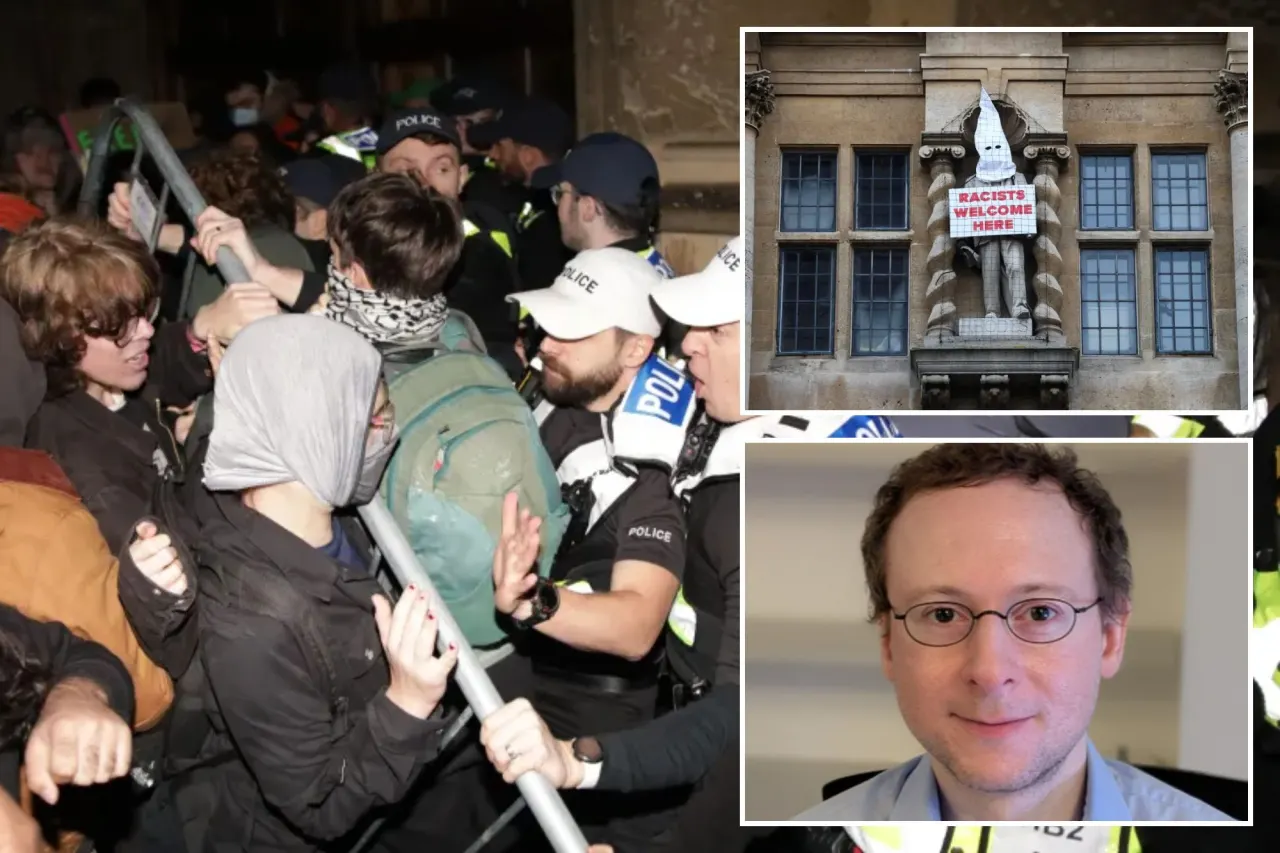
Masked protesters gathered outside Oriel College at the University of Oxford when a student society invited academic Nathan Cofnas to speak about whether diversity, equity and inclusion policies are undermining higher education. The article argues that the disruption raises concerns about free speech and the ability to debate contentious research, while also criticising politicians for courting young voters through social media.
It says Cofnas, whose research examines heredity and intelligence, lost a post at Cambridge and later faced an attempted expulsion from Ghent University, which the article says was abandoned after US diplomatic pressure. It also criticises a TikTok filmed at 10 Downing Street with influencers, including Max Belegde, whose slang soundtrack drew objections from politicians and the public. The supplied article ends as it begins describing Royal Holloway student Brodie Mitchell, so it gives no further details about his case.
In short
- Oxford protesters disrupted a talk by academic Nathan Cofnas.
- The article links the incident to wider concerns about campus free speech.
- It also criticises political outreach through influencer videos and TikTok slang.
Steelman: both sides, in good faith
The strongest fair case each way — we don't pick a winner.
The case for
Those who support the protest argue that research on heredity and intelligence has historically been used to justify discrimination, so students may reasonably judge that giving a platform to such work lends it academic legitimacy it has not earned. They see disruption as a form of protest speech and a legitimate way to register objection when institutions host speakers whose claims affect marginalised groups. On this view, free speech has never meant that every speaker must be heard without challenge, and universities have a duty of care to their students as well as a duty to open inquiry.
The case against
Those who defend the speaker's right to be heard argue that academic freedom depends on researchers being able to present contested findings and have them tested through open argument rather than through intimidation. Masked disruption can prevent other students from hearing a talk and can make them fear attending events on sensitive topics, which chills debate across the whole campus. They also point to the job loss and attempted expulsion described in the article as examples of institutional pressure being used to punish unpopular views, and they hold that the remedy for weak or harmful arguments is rigorous rebuttal in public, not the silencing of the speaker.
Explained simply
Europe has become a focus of debate over free speech at universities, particularly over whether academics should be free to present research that many people find controversial. Diversity, equity and inclusion (DEI) policies, which aim to promote fair treatment for groups that have historically been disadvantaged, are central to the argument, and some critics say these policies shape what can be discussed in higher education.
Nathan Cofnas is an academic whose research examines heredity and intelligence, a field that has provoked sharp disagreement among scholars and campaigners. He reportedly lost a post at the University of Cambridge and later faced an attempt by Ghent University in Belgium to expel him, a move that was abandoned after pressure from US diplomats. His case is part of a wider argument about how controversial academics are treated in Europe.
The story also touches on how politicians use social media to reach young voters. It refers to a video filmed at 10 Downing Street with online influencers, whose slang-filled soundtrack drew objections from politicians and members of the public. Together, these episodes show how debates over free speech, academic freedom and political communication have become closely linked.