Culture news and discussion on TalkFuse.
$5k designer ski gear has fatal flaw, says safety expert. ‘You could wipe out.’
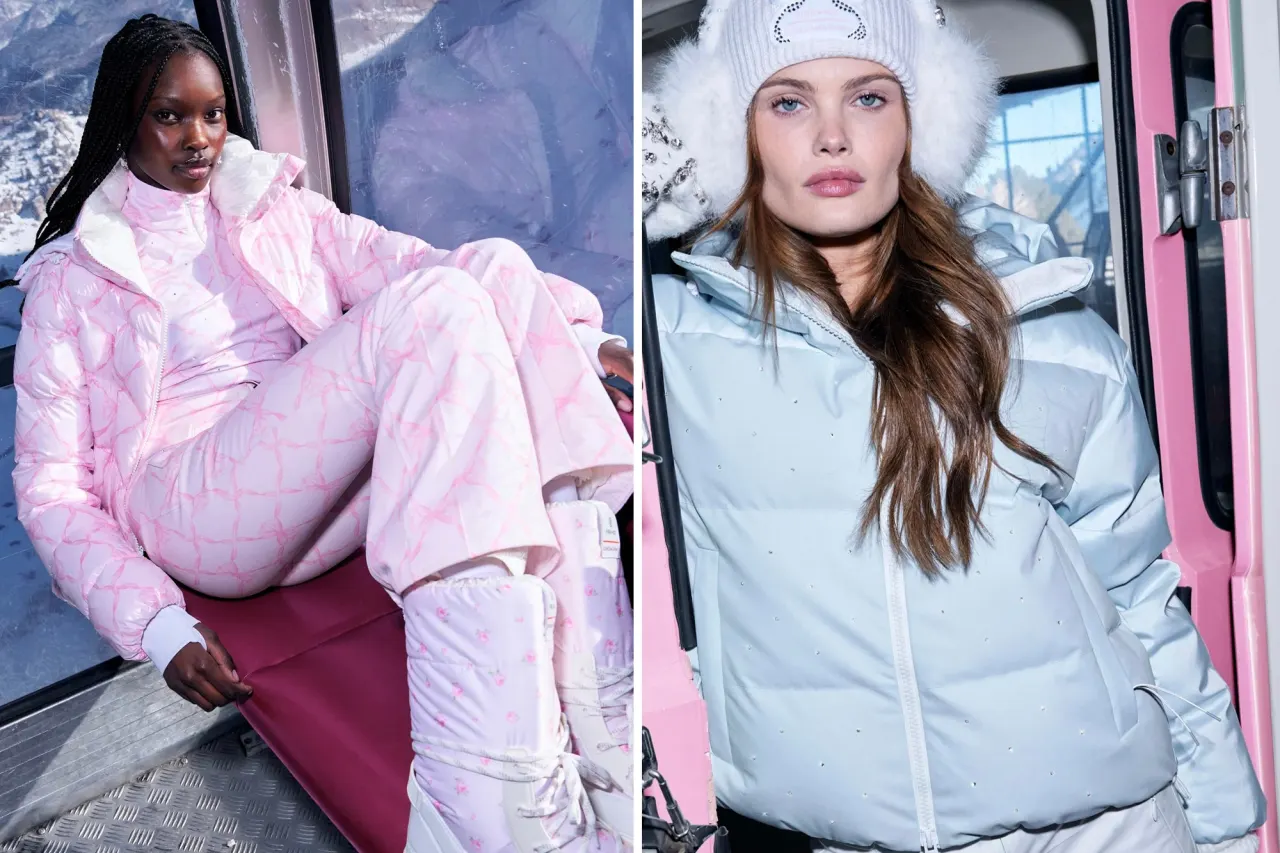
LoveShackFancy’s pastel ski collection with Bogner Fire + Ice has nearly sold out, despite jackets and trousers costing hundreds of dollars. Ski patroller Holly Raymond warns that pale or muted colours can make skiers harder to see, raising the risk of collisions on crowded slopes and making people harder to find in poor weather.
Raymond recommends bright colours such as vivid pink, electric blue, lime green, yellow, orange and red, particularly in blizzards, tree falls and evening conditions. The article also cites New York’s ski responsibility code, which says skiers should stop only where they are visible from above. Helmets are essential, and an inexpensive high-visibility vest can be worn over a favourite outfit.
In short
- Pastel ski gear can be difficult to spot on the slopes.
- Ski patroller recommends wearing bright colours for visibility.
- A high-visibility vest can add a safer layer.
Steelman: both sides, in good faith
The strongest fair case each way — we don't pick a winner.
The case for
Ski patrollers and safety advocates argue that visibility is a practical safety issue rather than a matter of taste. On crowded runs, in flat light, during snowfall or after dark, pale and muted clothing can blend into the snow and make a skier hard to spot for others approaching from behind or above. Because collisions and lost-skier incidents can have serious consequences, they favour bright, high-contrast colours and low-cost measures such as a high-visibility layer, arguing that a small change in what one wears is a sensible way to protect oneself and others on the mountain.
The case against
Defenders of fashion and personal expression contend that the risk is real but modest, and that it can be managed without giving up one's style. Helmets, goggles, controlled speed and awareness of others on the slope are the main factors in avoiding collisions, and colour is only one small contributor. They also value the freedom to choose clothing that reflects taste and identity, and worry that treating everyday fashion as a safety hazard can be overly paternalistic, particularly when a visible vest or accessory can address the concern without changing the look of an entire outfit.