Politics news and discussion on TalkFuse.
Burnham’s No 10 influencer row shows reach matters – but so does scrutiny
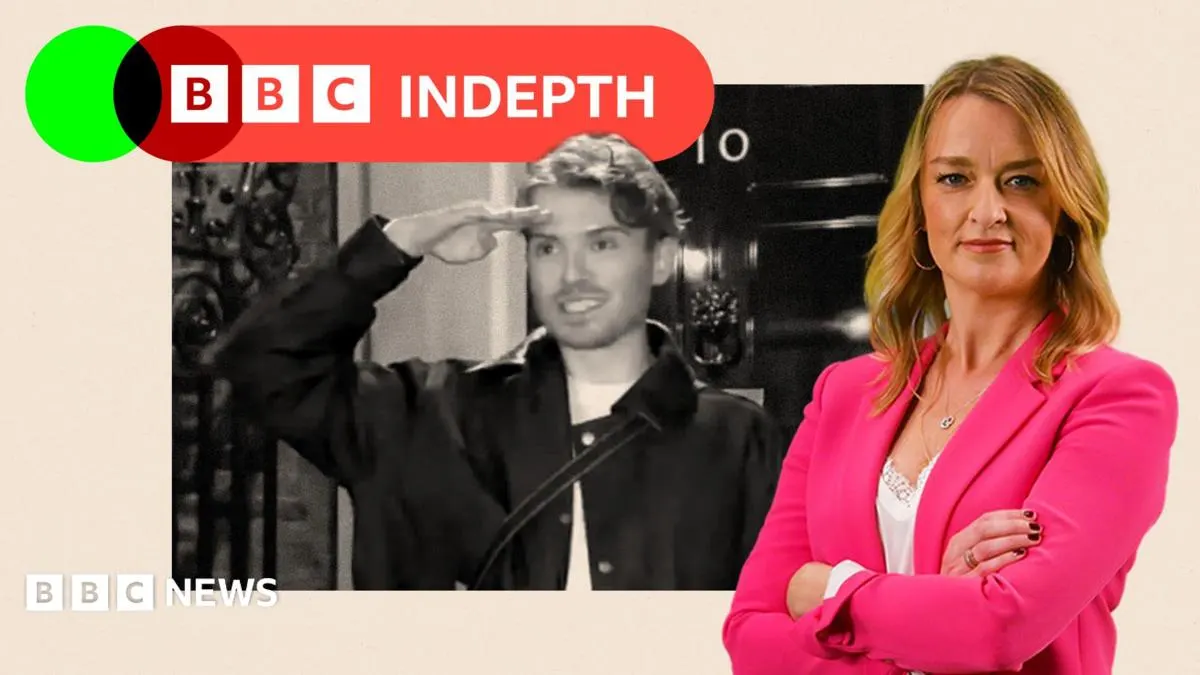
Andy Burnham has faced criticism after a video posted by an influencer who attended a Downing Street event drew attention. No 10 said the post was unacceptable and it was deleted, and the Prime Minister's rivals attacked him over the episode. The article argues that wanting to reach voters beyond politics is unsurprising, so the real question is whether Downing Street's efforts have gone too far, particularly given claims that Burnham avoids traditional scrutiny.
Burnham has devoted more time and political energy to platforms such as TikTok, Instagram, Ladbible and podcasts than any of his predecessors, a pattern that began with his by-election campaign. The article notes that earlier prime ministers also courted unconventional audiences, with mixed results. Tony Blair appeared on Richard and Judy, David Cameron answered questions for Heat magazine, and Gordon Brown claimed to be an Arctic Monkeys fan. The writer suggests the scale of Burnham's approach is what sets it apart, reflecting the fragmented modern media and possibly some newspapers' fear of being overshadowed.
In short
- Burnham's social media push is not new, but its scale is
- A Downing Street influencer video was criticised and deleted
- Critics say the approach may be avoiding tougher political scrutiny
Steelman: both sides, in good faith
The strongest fair case each way — we don't pick a winner.
The case for
Supporters of Burnham's approach argue that politicians must go where voters now get their information, and that traditional newspapers and broadcasters reach a shrinking, older share of the public. Engaging people through platforms like TikTok, Ladbible and podcasts can bring in citizens who rarely follow politics, which they see as a democratic good. They also point out that Blair, Cameron and Brown all sought unconventional audiences, so the strategy is an extension of established practice rather than a departure from it.
The case against
Critics contend that the scale of Burnham's engagement with informal channels risks sidestepping the scrutiny that traditional journalism provides, since influencer content is rarely subject to editorial challenge or fact-checking. They argue that when posts are made with official backing, it can become unclear where government communication ends and promotion begins, and that the deleted video shows how quickly such content can go wrong. For them, the core value at stake is accountability to the public, and a leader who favours friendly audiences over questioning ones weakens that relationship.