Technology news and discussion on TalkFuse.
NASA is sending a first-of-its-kind space crop growing system to the ISS
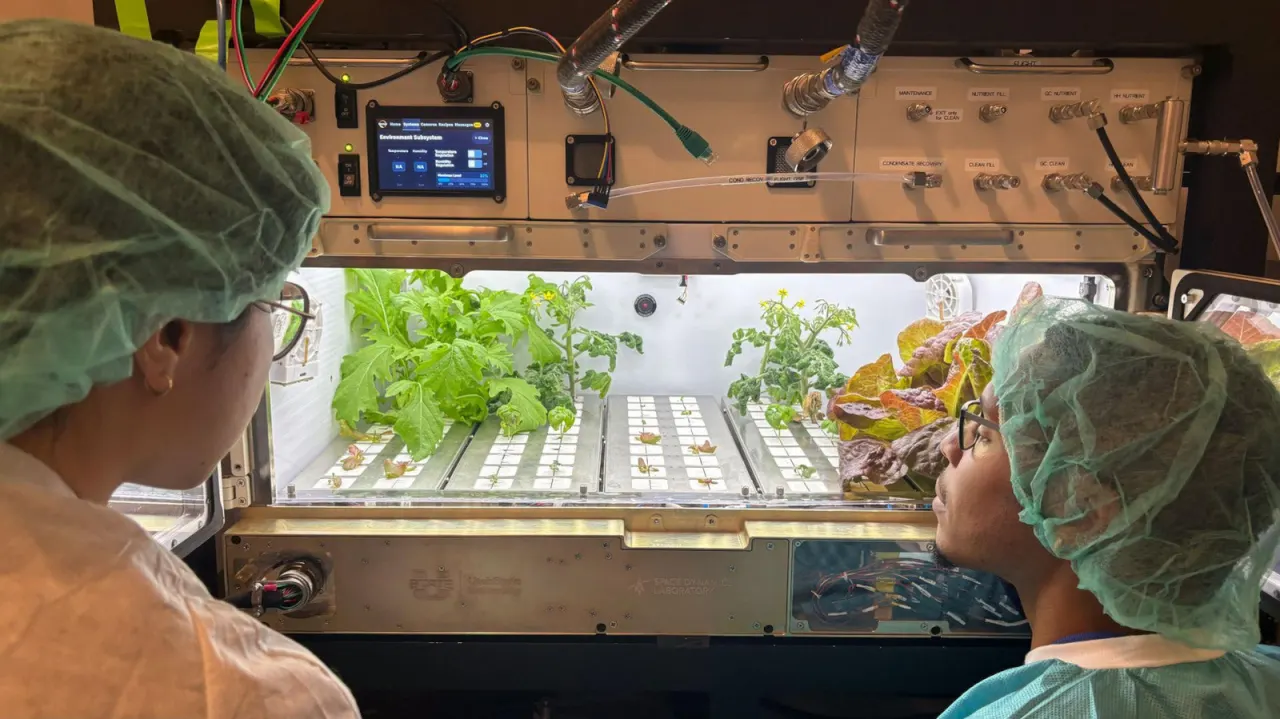
NASA is preparing to send a prototype of a new space crop production system, Ohalo III, to the International Space Station on its next resupply mission. The system is part of the agency's wider effort to grow food in space, which would reduce reliance on supplies carried from Earth during long journeys to the Moon, Mars and beyond. Ohalo III has been in development since 2019 at the Kennedy Space Center.
The prototype is a larger successor to the plant-growing systems astronauts have already used aboard the ISS. Testing on the station will help NASA validate its water delivery system and volume optimisation technology, and gather data on developing safe, nutritious and reliable crop production strategies for future Moon Base habitats and Mars missions. The system also supports multi-cropping, meaning several plant types can be grown together in one rig. The Northrop Grumman 25th resupply mission carrying the rig is scheduled to launch on 29 November at 10:47 AM Eastern time, and NASA will broadcast the event live on its website. The article notes that lessons from the project could also benefit vertical farming and indoor growing on Earth.
In short
- NASA is sending a new crop-growing prototype, Ohalo III, to the ISS.
- The system aims to support food production for Moon and Mars missions.
- It will test water delivery and multi-cropping in microgravity.
- Launch is scheduled for 29 November, with live coverage available.
Explained simply
NASA, the United States space agency, is looking for ways to grow fresh food in space so that future crews are not wholly dependent on supplies launched from Earth. Astronauts already grow small numbers of plants aboard the International Space Station, a laboratory orbiting Earth that several countries share and use to study long-term spaceflight. Growing food on site would matter most on long journeys, such as trips to the Moon or Mars, where resupply from Earth would be slow or impossible.
The system at the centre of the story is Ohalo III, a larger successor to the plant-growing equipment astronauts have used on the station. Engineers have been developing it since 2019 at the Kennedy Space Center in Florida, the main launch site for NASA's missions with astronauts. The design is meant to grow several types of plant together in one unit, and the aim is to learn how to deliver water efficiently and make the best use of limited space.
The work also has relevance beyond space exploration. Researchers hope that lessons from growing plants in small, controlled settings could help with vertical farming, where crops are stacked in layers under artificial light, and with other indoor growing on Earth. Testing will show whether such systems can produce food that is safe, nutritious and dependable over time.