Health news and discussion on TalkFuse.
Christian worker sacked for ‘traditional gender views’ wins discrimination case against LGBT charity
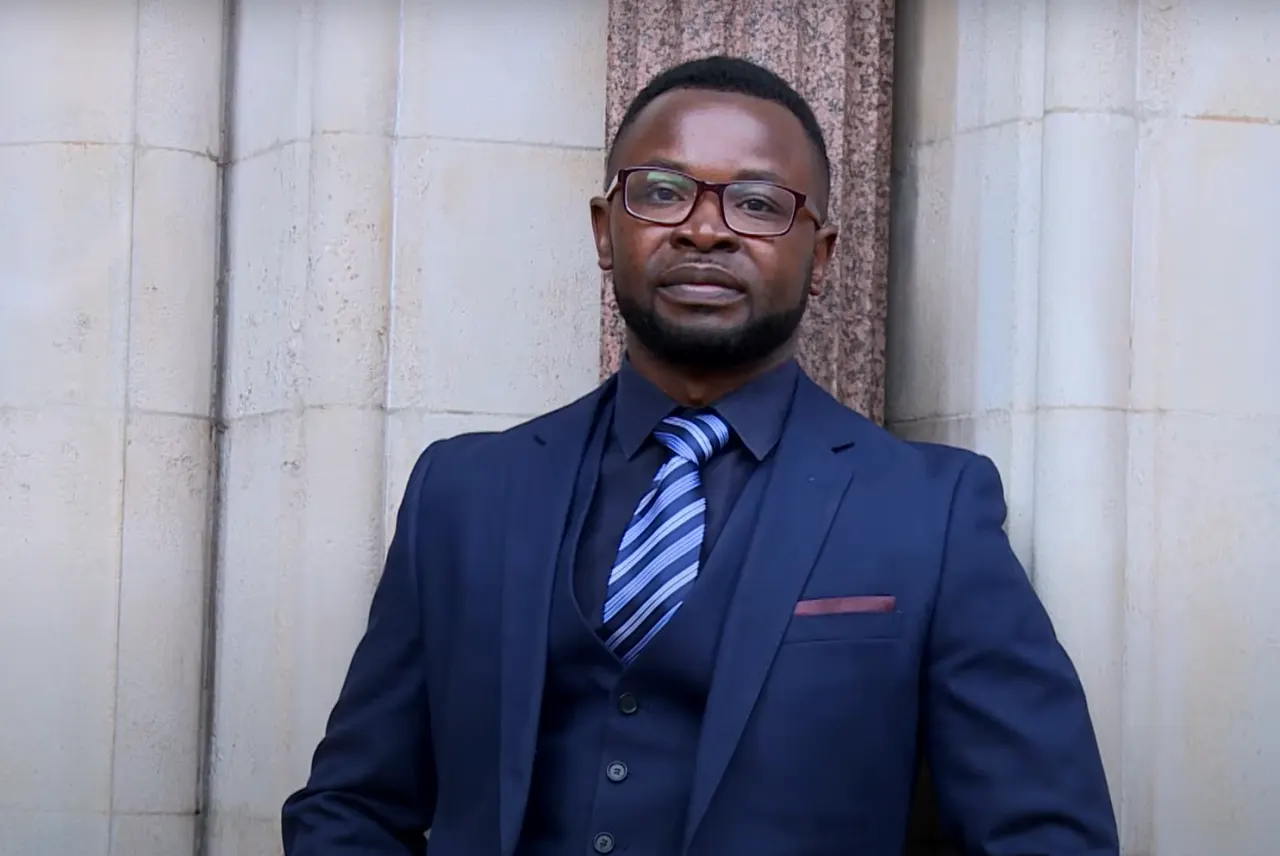
Felix Ngole won a discrimination appeal after the Court of Appeal found that a Leeds mental health charity had discriminated against him by withdrawing a conditional job offer because of his religious beliefs about homosexuality. The majority rejected Touchstone’s counter-appeal and its request to take the case to the Supreme Court, concluding the proceedings at this level.
Ngole was offered a hospital discharge support worker role in Wakefield in 2022, but Touchstone reconsidered after learning of his earlier online comments and legal dispute with the University of Sheffield. The charity said his views could upset service users and posed a risk; one appeal judge agreed the charity had genuine concerns, while the majority found media coverage had substantially influenced its decision. The case had previously been considered by an employment tribunal and the Employment Appeal Tribunal.
In short
- Felix Ngole won his discrimination appeal at the Court of Appeal.
- Touchstone withdrew a conditional job offer after learning of his beliefs.
- The court rejected the charity’s appeal and Supreme Court request.
Steelman: both sides, in good faith
The strongest fair case each way — we don't pick a winner.
The case for
Supporters of Felix Ngole argue that holding a religious belief about homosexuality should not, on its own, disqualify someone from employment, and that the Equality Act protects people from being disadvantaged because of their beliefs. They contend that a decision should rest on an individual's conduct and on evidence about how they would actually perform the role, not on the reputational pressure of media coverage. On this view, the court's finding that press attention substantially shaped Touchstone's decision shows why belief-based exclusion is dangerous: it lets reaction to a controversy stand in for a fair assessment of the person.
The case against
Supporters of Touchstone argue that an employer working with people in mental health crisis has a real duty of care, and that a worker's publicly expressed views can reasonably affect trust, safety and the experience of service users, some of whom may be LGBT. They note that one appeal judge accepted the charity had genuine concerns, and that an organisation with a distinct mission is entitled to weigh whether a candidate's stated positions are compatible with its values and its clients' needs. From this perspective, the charity acted in good faith to protect vulnerable people, and it is legitimate for an organisation to decline a role where it judges the risk to be too great.
Health Mental Health Research Science World