Politics news and discussion on TalkFuse.
The deal Abdul El-Sayed and Donald Trump could strike on health care
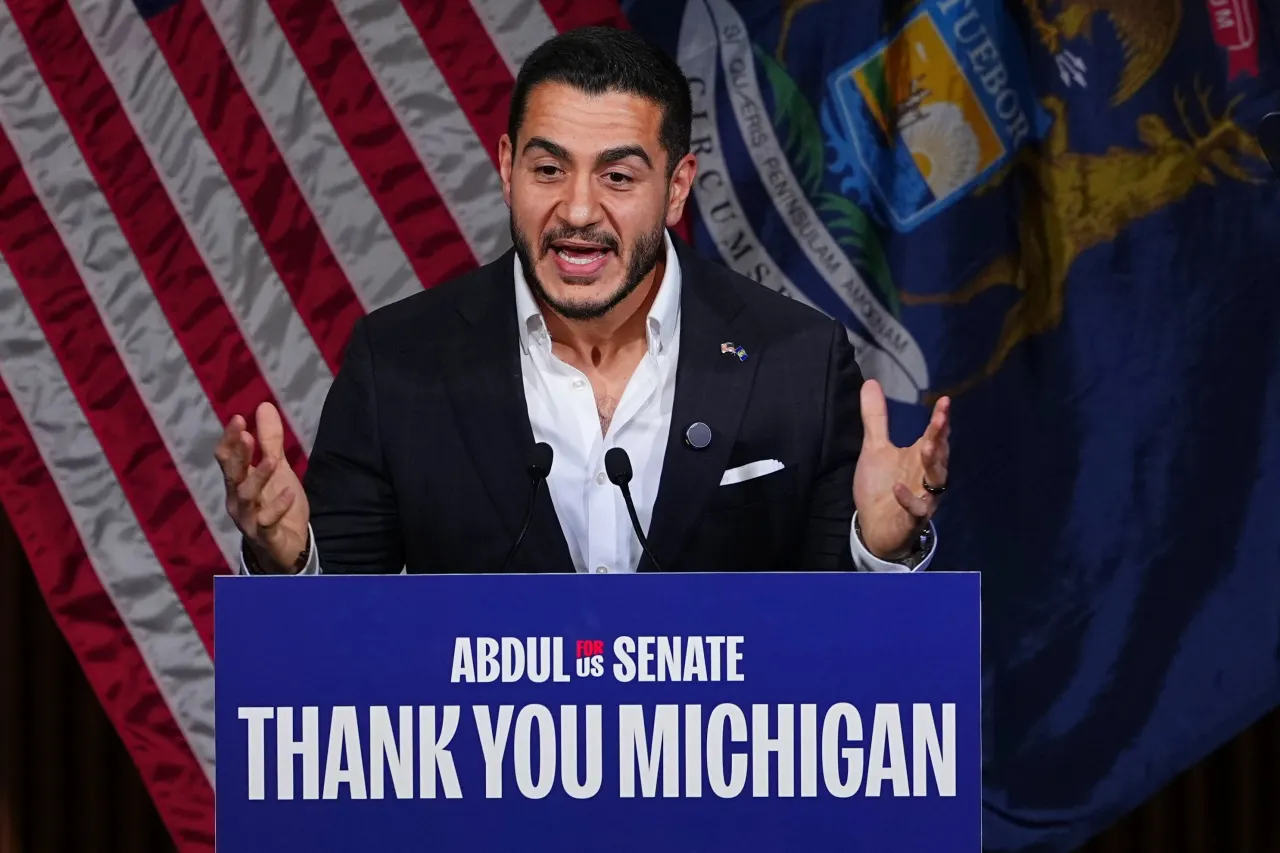
Senator-elect Abdul El-Sayed has proposed “Medicare for All” using a gold “TrumpCare” card to attract President Donald Trump’s interest. The article argues that Trump could instead pursue universal basic health coverage through personal, subsidised health accounts while retaining private insurance for major medical costs.
Under the proposed approach, people would use tax-free accounts for routine care and other expenses, with government contributions adjusted by income; private policies would cover costly events such as cancer treatment or major surgery. The author says this could ease out-of-pocket burdens without moving everyone into a government programme, and contrasts it with El-Sayed’s plan, which they argue would displace private and union-negotiated coverage.
In short
- El-Sayed pitched Medicare for All with a gold “TrumpCare” card.
- The author proposes subsidised personal accounts for routine medical costs.
- Private insurance would remain for major and costly treatments.
Steelman: both sides, in good faith
The strongest fair case each way — we don't pick a winner.
The case for
Supporters of Medicare for All argue that a single public programme would cover everyone, end the risk of losing coverage when changing jobs, and use the bargaining power of one large payer to lower costs and reduce administrative overhead. They see access to health care as a common right rather than a benefit tied to employment or income, and believe a universal system would close the gaps that leave some people underinsured even when they hold a policy. For them, displacing private and union-negotiated coverage is a deliberate part of simplifying the system, not an unintended cost.
The case against
Advocates of an account-based approach argue that it can widen coverage and reduce out-of-pocket costs while preserving the choices many people value, including their existing employer or union plans. Keeping private insurance for major events such as cancer treatment or surgery, they say, spreads risk in a way that suits large and unpredictable expenses, while income-adjusted government contributions direct help to those who need it most. They also contend that moving millions of people out of familiar coverage would be disruptive and costly, and that a gradual, mixed model is more politically durable and more likely to succeed in practice.