Technology news and discussion on TalkFuse.
Frank Sinatra sings ‘Smells Like Teen Spirit’ and other AI covers we instantly got bored with
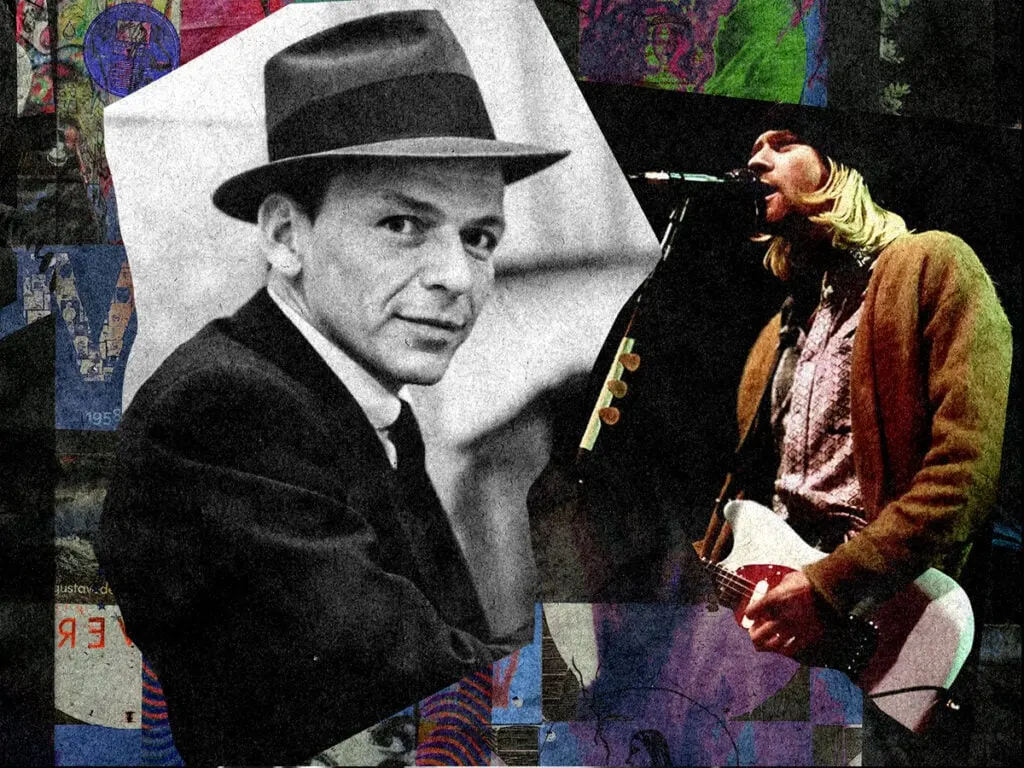
AI-generated covers that mimic Frank Sinatra singing songs by Nirvana, The Killers and Radiohead have circulated online, joining similar recreations of other famous performers. The article argues that their brief novelty points to a wider concern: as AI music spreads across social media and streaming platforms, it may become harder to distinguish human-made work from synthetic imitations.
The article says many Sinatra covers remain on TikTok, while some have been removed from YouTube over copyright infringement. It traces the use of his voice in AI experiments to at least 2020, when OpenAI’s Jukebox project generated music using material gathered from the internet. The writer contends that these covers quickly lose their appeal because the surprise fades and the imitations lack the human expression and consent associated with the original artists.
In short
- AI has made Sinatra covers of modern songs easy to find.
- Some versions have been removed from YouTube over copyright concerns.
- The article says their novelty fades quickly and raises concerns about AI music.
Steelman: both sides, in good faith
The strongest fair case each way — we don't pick a winner.
The case for
Supporters see AI covers as a legitimate creative and technological experiment, comparable to parody, tribute and fan art, which music has always absorbed. They argue that tools which lower the barrier to making music let more people play with sound, and that labelled, transformative work should be judged on its merits rather than suppressed. They also contend that copyright already governs actual recordings and compositions, so any remedy should be targeted takedowns rather than a broad ban that could chill experimentation.
The case against
Critics argue that a performer's voice is central to their identity and livelihood, and that cloning it without consent takes something the artist alone should control, regardless of how novel the technology is. They point out that even when listeners tire of individual clips, a flood of imitations can mislead audiences about who actually performed and dilute the market for human artists, while the creators of such work may still gain attention or revenue from a likeness they never licensed. From this perspective, consent and attribution are the core issues, and existing copyright tools are poorly suited to protecting a voice.
Explained simply
AI-generated covers are recordings made by software that imitates a singer's voice, so a song can sound as though it were performed by someone who never sang it. Recently, online creators have produced versions of Frank Sinatra, who died in 1998, performing songs by Nirvana, The Killers and Radiohead. Such clips have spread across social media, and some have been removed from video sites after complaints from copyright holders.
The main parties are the creators of these recreations, the estates and record labels that control an artist's recordings and voice, and the platforms, such as TikTok, YouTube and streaming services, that host the material. Copyright law generally protects original recordings and songs, and many people also argue that a performer's voice should be protected in a similar way. The use of AI to imitate voices dates back at least to 2020, when OpenAI released Jukebox, an experimental system that generated music using recordings collected from the internet.
The question matters because these tools are becoming easier to use, making it harder for listeners to tell human-made music from synthetic imitations. Those concerned about the trend raise issues of consent, ownership and the livelihoods of working musicians, while others see the technology as a new creative tool. The debate is ongoing, and it touches on how the music industry, online platforms and lawmakers will handle AI-generated work.