Politics news and discussion on TalkFuse.
England to add citizenship, media literacy and speaking tests to curriculum
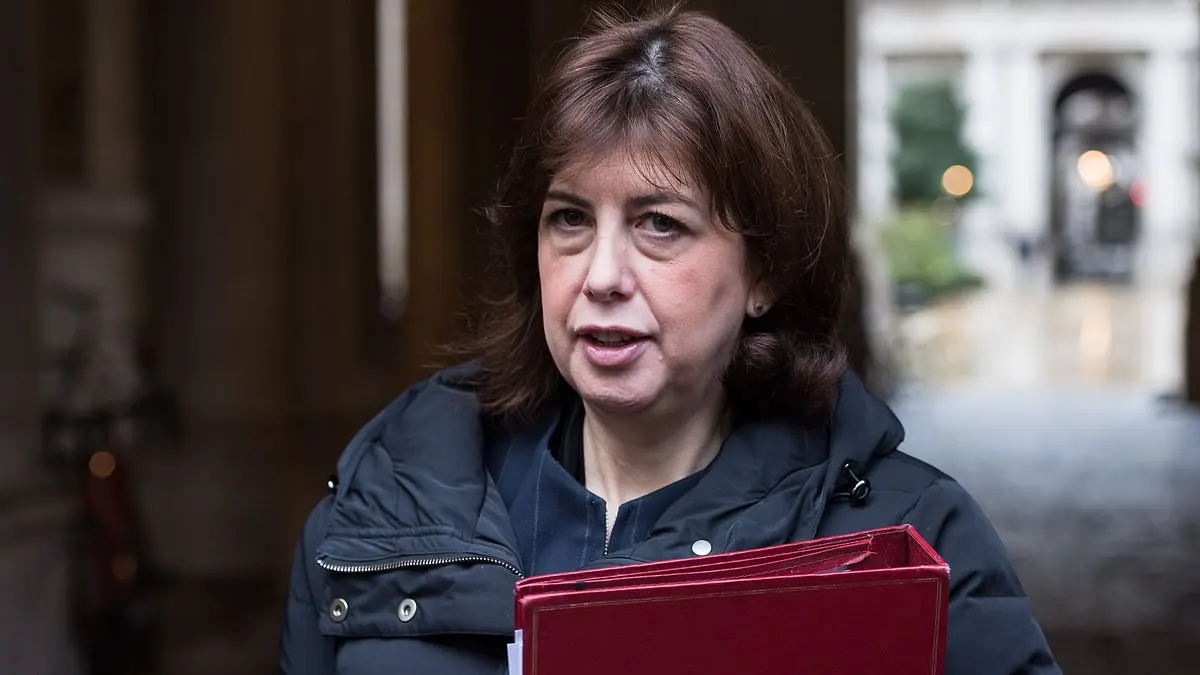
The Government will announce changes to the national curriculum from September 2028, including compulsory citizenship lessons from primary school, digital and media literacy, and more financial literacy. The reforms focus on reading and speaking skills, and ministers are expected to propose oral assessments in English language GCSE. Education Secretary Lucy Powell said these changes would help the 'Covid generation', whose communication skills were affected by time out of school.
A new 'oracy' assessment would test speaking and listening at the end of primary school, and the computing GCSE would cover data and AI. Schools would also be required to set aside time for pupils to read for pleasure, which will be mandatory in primary schools and more flexible in secondary. Pupils already complete a ten-minute speaking assessment, but it does not count towards their final GCSE grade. Shadow education secretary Laura Trott warned the plans could erode core knowledge, while Liberal Democrat Munira Wilson said schools lacked the staff and funding to deliver them.
In short
- Citizenship, media literacy and financial literacy added from September 2028
- New primary oracy assessment and oral English GCSE proposed
- Critics warn reforms could dilute core knowledge and lack funding
Steelman: both sides, in good faith
The strongest fair case each way — we don't pick a winner.
The case for
Supporters argue that many pupils, especially those whose education was disrupted by the pandemic, need stronger speaking, listening and reading skills to succeed at work and take part in civic life, and that formal oracy assessment would give these abilities the recognition they currently lack. Citizenship and media literacy, they contend, prepare young people to understand democratic institutions and to judge information in an online environment full of misleading content. Financial literacy and data-focused computing address practical needs that schools have often left to chance, while protected reading time reflects a long-standing belief that a love of books has lasting educational value.
The case against
Critics such as Laura Trott worry that a crowded timetable could dilute the core knowledge that underpins everything else, and that broadening the curriculum risks trading depth in subjects like history, science and mathematics for skills that are harder to measure. Others, including Munira Wilson, argue that good intentions depend on delivery, and that schools already short of specialist teachers and funding may struggle to run new lessons and assessments well. There is also a principled concern that teaching citizenship and media content through a national curriculum requires great care, so that it informs pupils rather than shaping their political views. Advocates of a knowledge-led approach would say that a confident grasp of facts and texts is itself the foundation of good speaking, reasoning and citizenship.
Explained simply
The national curriculum is the framework that sets out what pupils in state schools in England must be taught, from primary school through to the end of secondary school. Changes to it, usually made by the Department for Education, affect what millions of children learn each day and how their progress is assessed, including through GCSE exams, which most pupils sit at around 16. The debate is also shaped by the 'Covid generation', the pupils whose schooling was disrupted by lockdowns and school closures during the pandemic.
The Education Secretary, Lucy Powell, leads the Government's education policy and has said the proposals are designed to help this group build stronger communication skills. Opposition politicians have raised different concerns: Laura Trott, the Conservatives' shadow education secretary, has warned that the plans could weaken the focus on core subject knowledge, while Munira Wilson of the Liberal Democrats has argued that schools lack the staff and funding to deliver them.
At the heart of the debate is a broader question about what schools should prioritise, whether a fixed body of subject knowledge or practical skills such as speaking, reading and handling digital media. Speaking is a particular focus because pupils already take a short speaking assessment that does not count towards their final grades, and oracy, the term for teaching speaking and listening skills, has become a growing area of interest in education. The outcome matters to pupils, teachers and parents, as it would shape both classroom time and the qualifications young people take into work or further study.
Read the full article at the source →
Originally published by Daily Mail as “Schoolchildren to be taught to ‘disagree agreeably’ under Labour’s national curriculum overhaul – and new English GCSE oral exam is planned to help ‘Covid generation’”.