Entertainment news and discussion on TalkFuse.
In 1996, Kathryn Bigelow dropped out of a movie after a decade. Three years later, she sued when a suspiciously similar film was made
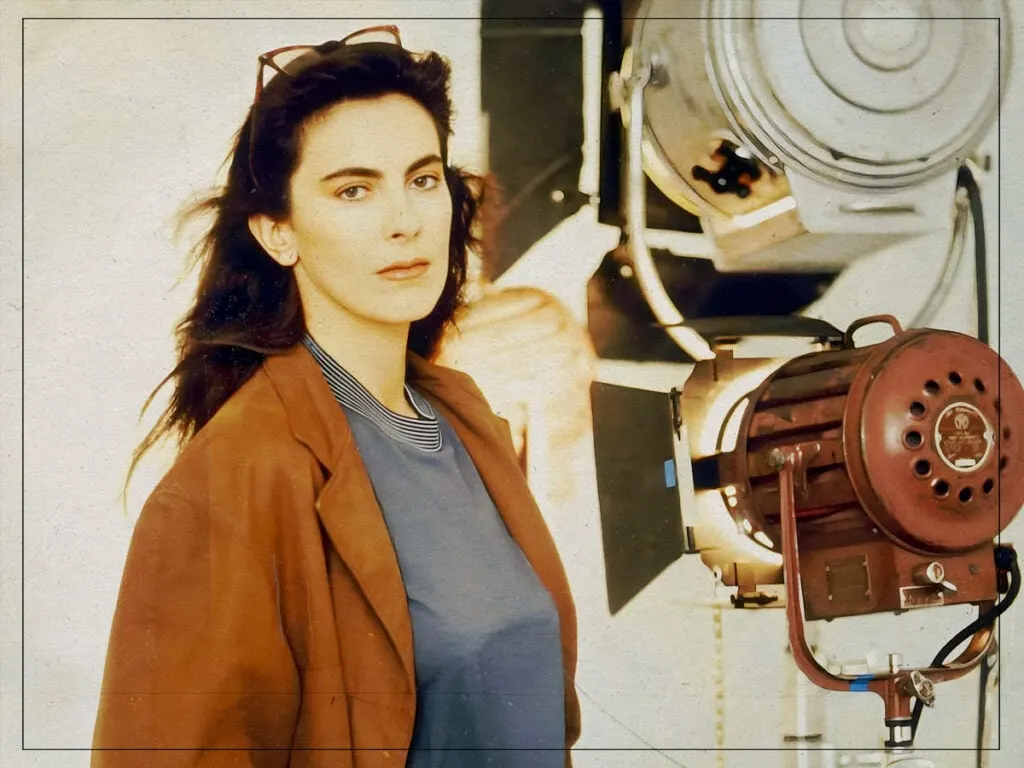
Kathryn Bigelow’s long-developed film about Joan of Arc collapsed in 1996, eight weeks before filming was due to start, after executive producer Luc Besson withdrew his funding. Bigelow said the dispute centred on casting: she wanted Claire Danes for the lead, while Besson favoured his then-wife, Milla Jovovich.
Besson later made his own Joan of Arc film, *The Messenger: The Story of Joan of Arc*, with Jovovich starring. Bigelow sued, alleging breach of contract and that Besson had used research she had gathered for her project; he settled for an undisclosed sum. The article says the film was poorly received and a box-office failure, while Bigelow’s own project remained unrealised.
In short
- Besson withdrew funding shortly before Bigelow’s Joan of Arc film was due to shoot.
- Bigelow alleged breach of contract and misuse of her research.
- Besson settled the lawsuit for an undisclosed amount.
Steelman: both sides, in good faith
The strongest fair case each way — we don't pick a winner.
The case for
Bigelow's supporters would argue that she spent a decade developing the project, assembling research and securing the commitments needed to make a film viable. A collaborator who withdrew funding eight weeks before filming, then produced a closely similar film on the same subject, leaves her with both financial and creative losses, and the timing is hard to explain as coincidence. From this view, the principle at stake is that those trusted with an unfinished creative project should not be able to exploit the work that others put into it.
The case against
Besson's defenders would stress that no finding of wrongdoing was made, since the case was settled for an undisclosed sum, and that a financier may reasonably withdraw funding over a disagreement about casting, which is an ordinary part of film production. They would note that Joan of Arc is a historical subject in the public domain, and that many films have told her story, so overlap in subject and research does not by itself prove appropriation. On this reading, historical facts and broad ideas are open to anyone, and the law should not treat a shared subject as ownership of a project that was never completed.
Explained simply
Kathryn Bigelow is an American film director best known for *The Hurt Locker*, which won her the Academy Award for Best Director. In the 1990s she spent about a decade developing a film about Joan of Arc, the French teenager who led armies in the fifteenth century and was later executed for heresy and declared a saint. The project depended on funding from Luc Besson, the French filmmaker who served as its executive producer.
In 1996, eight weeks before filming was due to begin, Besson withdrew his funding and the project collapsed. Bigelow has said the disagreement centred on casting, as she wanted Claire Danes in the lead role while Besson preferred his then-wife, Milla Jovovich. Besson went on to make his own Joan of Arc film, *The Messenger: The Story of Joan of Arc*, with Jovovich in the title role.
Bigelow later sued Besson, alleging breach of contract and that he had used research she had gathered for her own project. The case raises questions about how film ideas, and the work behind them, are protected when a project stalls and a similar one follows. *The Messenger* was poorly received and failed at the box office, while Bigelow's version was never made.