World news and discussion on TalkFuse.
Andy Burnham scraps Labour’s plan to strip Peter Mandelson of peerage amid Jeffrey Epstein probe
Developing story first seen 3 hours ago
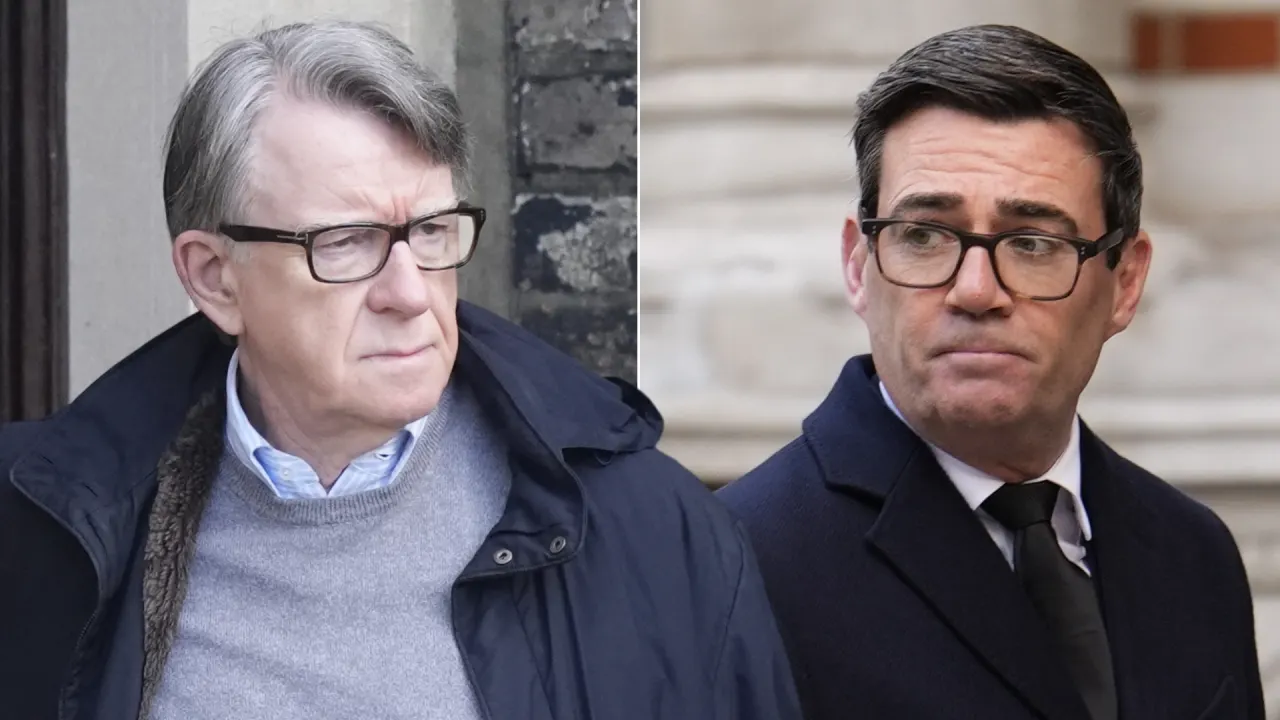
Labour has dropped the specific plan to remove Peter Mandelson’s peerage, which was promised by former prime minister Sir Keir Starmer, and is instead considering wider reforms. The reported shift matters because Mandelson retains his title despite stepping back from the Lords while police investigate allegations concerning his conduct in public office.
Mandelson was arrested in February and has not been charged; he denies wrongdoing. The investigation concerns claims he passed confidential Government information to Jeffrey Epstein, including material apparently related to the 2008 financial crash. Ministers say they remain committed to the principle that peers guilty of wrongdoing should be able to lose their titles, but broader legislation may not reach Parliament before 2028.
- Sources
- 2
- Outlets
- 2
- Left · Centre · Right
- 0 · 0 · 2
In short
- Labour has shelved its specific plan to remove Mandelson’s peerage.
- He remains under police investigation and has not been charged.
- Broader reforms may not reach Parliament before 2028.
How this story developed
- 24 minutes ago Labour has dropped the specific plan to remove Peter Mandelson’s peerage, which was promised by former prime minister Sir Keir Starmer, and is instead considering wider reforms.
- 1 hour ago Andy Burnham is reportedly set to scrap Labour's plan to strip Peter Mandelson of his peerage, with the proposal shelved in favour of broader reform. Mandelson is under Metropolitan Police investigation over allegations of misconduct in public office, linked to his ties with Jeffrey Epstein.
Full account
Andy Burnham's government is reported to be dropping Labour's plan to strip Peter Mandelson of his peerage, a commitment Sir Keir Starmer made in February. Instead of specific legislation, ministers are said to be considering broader reforms that would allow peers found guilty of wrongdoing to lose their titles. The shift comes while the Metropolitan Police continue their investigation into Mandelson over alleged misconduct in public office. He is suspected of passing confidential government information to Jeffrey Epstein, and he has not been charged. He denies any wrongdoing, has said he regrets his friendship with Epstein, and has apologised to Epstein's victims.
Mandelson was appointed Britain's ambassador to the United States in February 2025. He was dismissed about seven months later after fresh revelations about his relationship with Epstein, which followed the release of the so-called Epstein files by the US Department of Justice. He then left the House of Lords, resigned from the Labour Party and was removed from the Privy Council. He was arrested at his home near Regent's Park in February. Because he remains a life peer, he keeps his title and peerage unless Parliament passes legislation to remove them, which the government has not yet done.
The government has not formally confirmed the change. A Downing Street spokesman, quoted in reports, said ministers remained committed to the principle that disgraced peers should not keep their peerages. When Deputy Prime Minister Lucy Powell, who is also Education Secretary, was asked on Sky News whether the plan had been dropped, she said she did not know. She said she was not responsible for deciding which bills went forward and that ministers had limited legislative time and competing priorities before a King's Speech. She did say that the rules for dealing with disgraced peers needed strengthening. Reports in The Times and The Sunday Times, citing unnamed insiders, suggest any wider reform is unlikely to reach the parliamentary timetable before 2028.
The Conservatives have seized on the apparent retreat. Party chairman Kevin Hollinrake said Labour had backed away from a promise it had made and urged the government to strip Mandelson of his peerage as quickly as possible by any available means. The episode leaves the matter unresolved: Mandelson keeps his title, the criminal inquiry continues without charges, and the government has not publicly set out a firm timetable. Much of the detail so far comes from briefings and anonymous sources rather than official announcements, so ministers' final position remains uncertain.
Where outlets differ
From the full account, which is AI-written from the sources:
GB News presents the shelving as a quiet decision made by Whitehall insiders, framing it as a broken promise. Source 2 focuses on Lucy Powell's non-committal answer on Sky News and does not describe the policy as definitively dropped.
GB News says Mandelson 'stepped back' from the Lords, while the second report says he 'quit' the Lords, resigned from Labour and was removed from the Privy Council. The second report gives a fuller account of his removal from official roles.
GB News includes a government spokesman's statement reaffirming the principle that disgraced peers should lose their peerages, and it cites a Conservative attack from Kevin Hollinrake. Source 2 does not include either point.
GB News gives a specific timeline, suggesting broader reform is unlikely before 2028, and it attributes the shelving to The Times. Source 2 instead cites The Sunday Times and emphasises that the decision is being taken collectively ahead of a King's Speech.
GB News emphasises the Downing Street claim about market-sensitive information relating to the 2008 financial crash and describes Mandelson as a 'New Labour titan'. Source 2 places more weight on the background of his appointment, his sacking and the legal status of his peerage, and it refers to Burnham having replaced Starmer as prime minister in July.
Steelman: both sides, in good faith
The strongest fair case each way — we don't pick a winner.
The case for
Advocates of shifting to broader reform argue that legislation aimed at one named individual, who has not been charged and denies wrongdoing, risks looking like a punishment decided by Parliament rather than by a court, which sits poorly with the presumption of innocence. They contend that a general framework for removing titles from any peer found guilty of serious wrongdoing would be fairer, more durable, and less open to claims of political score-settling. On this view, getting the principle right matters more than a symbolic step against a single figure, even if the wait is frustrating.
The case against
Supporters of retaining the specific commitment argue that the public is entitled to see accountability promptly, and that a promise made by a former prime minister should not be quietly dropped while a serious investigation into the handling of confidential information is still under way. They point out that broader reform may not reach Parliament until 2028 or later, which would leave the question of Mandelson's title unresolved for years and could erode public trust in how peerages are governed. For them, a concrete outcome is part of upholding the principle that those who abuse public office should not keep the honours that come with it.
Explained simply
Peter Mandelson is a long-serving Labour politician who held senior posts in government and was later made a life peer. A life peerage gives its holder a title and a seat in the House of Lords, the unelected upper chamber of Parliament. There is no simple, general procedure for taking a peerage away, which is why removing one is rare.
Mandelson was arrested in February as part of a police investigation into allegations about his conduct in public office. He has not been charged and denies any wrongdoing. The claims concern whether he passed confidential government information to Jeffrey Epstein, the American financier convicted of sex offences, and some of the material is reported to relate to the 2008 financial crash.
Labour had previously promised to remove Mandelson's peerage specifically, a pledge made when Sir Keir Starmer was prime minister. The debate now centres on whether to pursue that narrower step or to introduce wider rules that would let any peer found guilty of wrongdoing lose their title. Ministers say they still support that principle, which is why the question matters beyond this one case.
Coverage · 2 sources
Bias meters
From 2 rated sources.