World news and discussion on TalkFuse.
Huw Edwards makes astonishing BBC demands and breaks silence over £200K ‘owed money’
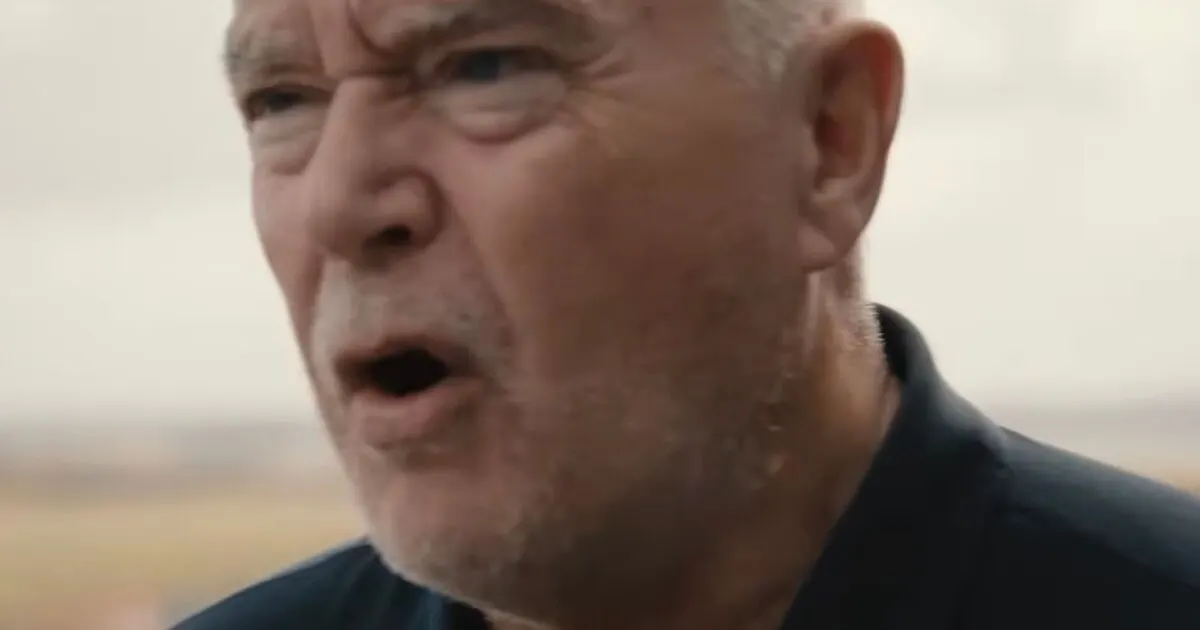
Former BBC newsreader Huw Edwards has said he will repay the £200,000 salary the broadcaster wants returned only once it acknowledges his service. Edwards pleaded guilty in July 2024 to possessing 41 indecent images of children, seven of them of the most serious type, and received a six-month sentence suspended for two years. The BBC has repeatedly asked him to repay the pay he received during the five months after his arrest, when he remained employed, and the dispute centres on accountability for public money.
In an interview with The Observer, Edwards said the BBC must first deal with its chairman, Dr Samir Shah, restore programmes featuring him to its archive and acknowledge his service, adding that he has had no reply. Shah has previously called Edwards "the villain of the piece" and said that if he had any moral rectitude he would return the money. Edwards also said he sometimes wishes he had not pleaded guilty, explaining that he did so to end his family's distress and because he had clicked on the files.
In short
- Huw Edwards wants the BBC to acknowledge his service before repaying salary.
- He has demanded archive restoration of programmes featuring him.
- He says he sometimes wishes he had not pleaded guilty.
Steelman: both sides, in good faith
The strongest fair case each way — we don't pick a winner.
The case for
The BBC should seek to recover the £200,000 because it is public money, paid to a man who was employed during a period when the broadcaster was investigating serious allegations. Those who support repayment argue that licence fee payers should not be asked to fund salary for work that was not carried out in the normal way, and that an organisation answerable for public funds must be able to show it has acted responsibly. On this view, repayment is a matter of stewardship and accountability rather than punishment, and linking it to the individual's demands risks turning a legitimate financial claim into a negotiation.
The case against
A reasonable critic of the BBC's position would argue that the question is primarily one of contract and due process, not public outrage. Edwards was paid under the terms of his employment before any conviction, and a demand for repayment needs a clear legal basis rather than a moral judgement made in public. Those who hold this view also point to the chairman's public condemnation as evidence that the matter has been pursued through rhetoric as much as through the terms of an agreement, and they argue that fairness requires any clawback to be settled by proper procedure. Their position does not require sympathy for the offence, only a principle that retrospective penalties should be applied through established legal channels.