Technology news and discussion on TalkFuse.
Bus display knows its name, but not when any services are arriving
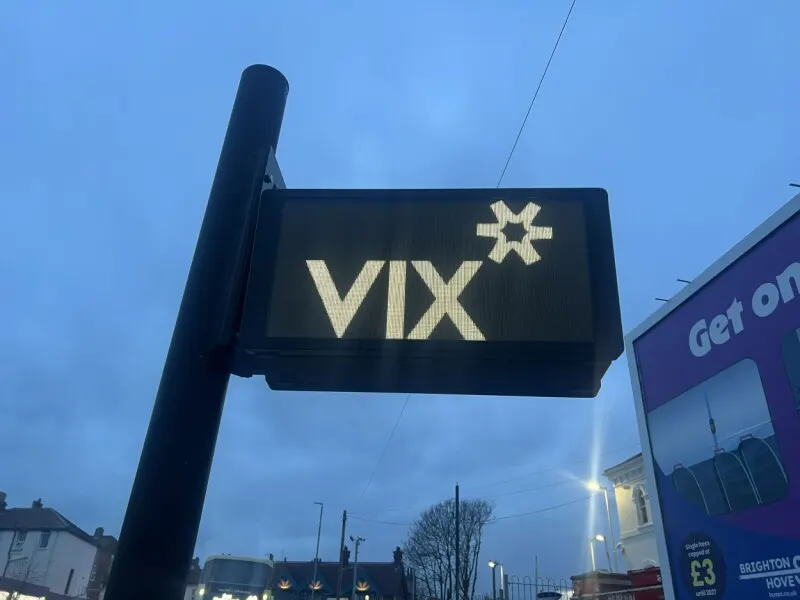
A bus stop display outside Portslade railway station in Brighton and Hove is failing to show live bus times. Instead of arrival information, the screen shows only the manufacturer's branding and identifying text, and it appears stuck in a startup or diagnostic process. The article, published by The Register, highlights the frustration this causes passengers who rely on live displays to plan their journeys.
The display is double-sided, but both sides are unusable, showing the same non-functional message. The article identifies "Aesys" as the display manufacturer and "Vix" as the systems integrator, with the operator of most services at the stop being Brighton and Hove Buses. The identifying text includes "224×112", which refers to the screen's pixel resolution and would help an engineer locate and repair the unit. The piece is written in a light, humorous tone and notes that the only information available is a nearby poster promoting bus travel.
In short
- Portslade bus stop display shows no live arrival times.
- Screen displays only manufacturer branding and identifying text.
- Both sides of the double-sided unit are non-functional.
- Display appears stuck in a startup or diagnostic process.
Explained simply
Live bus displays are screens at bus stops that show when the next buses are due, using information from the bus companies' systems. Passengers use them to decide whether to wait, walk or take a different route. The screen at the centre of this story is outside Portslade railway station in Brighton and Hove, on the south coast of England.
Several companies are involved in a display like this. Aesys is named as the maker of the screen, and Vix is named as the systems integrator, meaning the firm that brings the hardware and software together and connects them to the wider network. Most of the buses that stop there are run by Brighton and Hove Buses, the local operator whose timetable data the screen relies on.
Displays like this matter because many people depend on them, especially those who do not use smartphone apps or are unfamiliar with a route. When a screen stops working, travellers may not know how long they will have to wait. Fixing a fault can involve more than one company, since the manufacturer, the integrator and the bus operator each play a part in the system.