Science news and discussion on TalkFuse.
13Members
10Posts
2Active now
3,837Stories
The stone that helped Darwin study earthworms
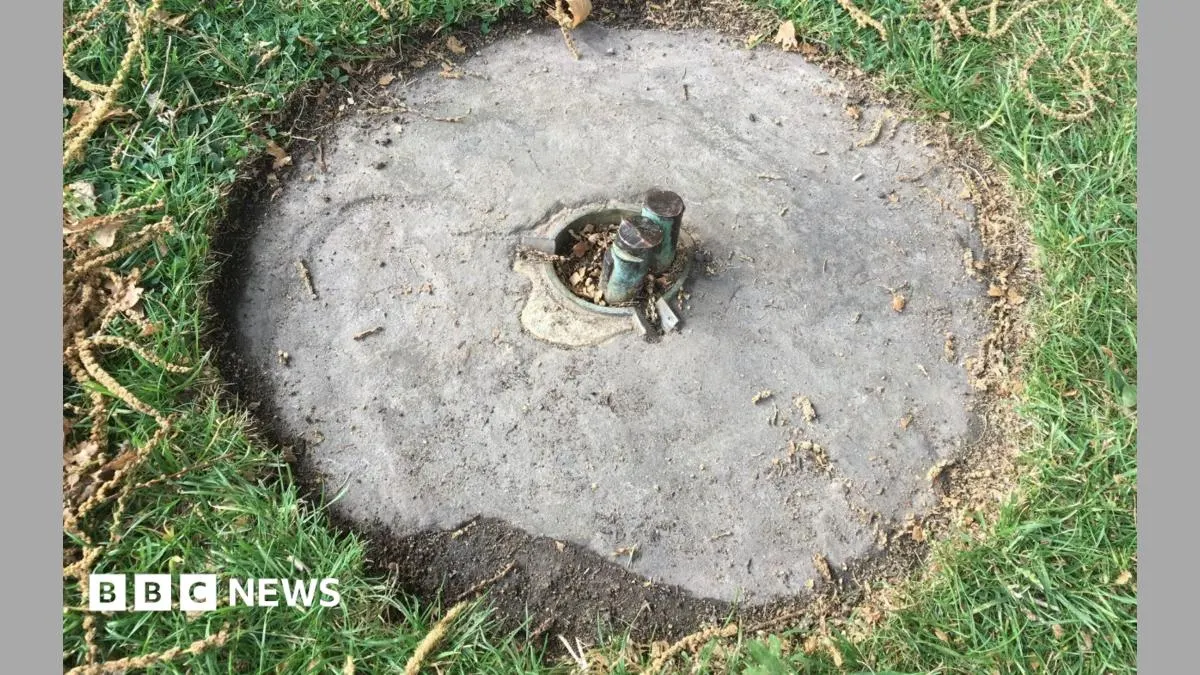
At Leith Hill Place in Surrey, Charles Darwin used a stone to observe earthworms and the soil they moved, helping him investigate how the animals reshape the landscape. His research helped explain why Roman remains that had once stood above ground became buried, and contributed to his final major published work on earthworms.
Darwin studied worms there for about 40 years, laying the stone on the ground and examining their movements and casts each morning. His observations helped him estimate how much soil worms move per acre; today, earthworms are recognised for aerating soil and improving drainage, while the stone remains largely unmarked.
In short
- Darwin studied earthworms at Leith Hill for decades.
- His observations helped explain how soil buries objects.
- Earthworms improve soil by aerating and moving it.