Politics news and discussion on TalkFuse.
Spain’s election: What is at stake
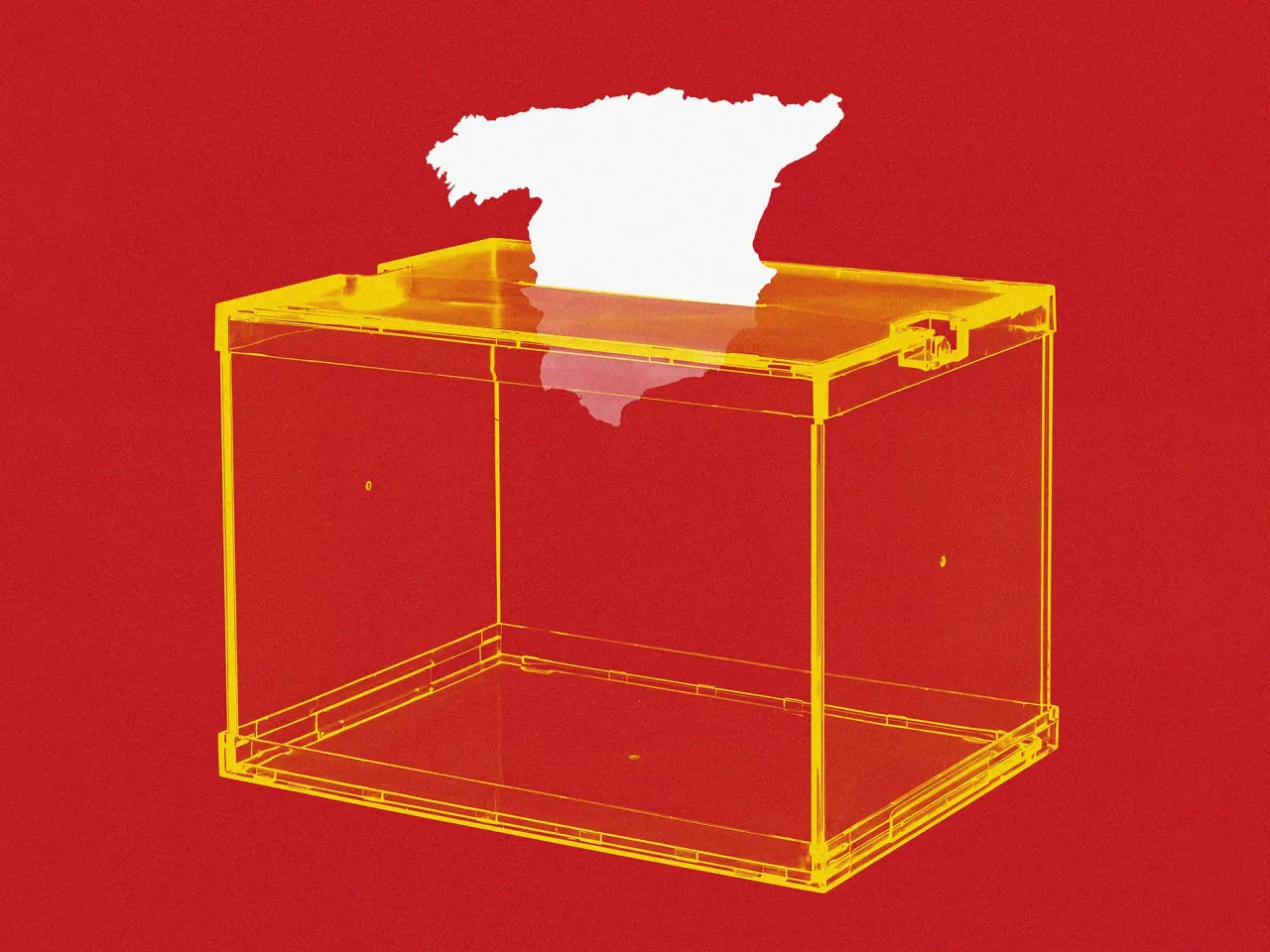
Spain holds a general election on 29 November after Prime Minister Pedro Sánchez called an early vote, following Congress's rejection of the government's decrees. The election comes after eight years of left-wing governments and raises the possibility that a far-right party could join central government in coalition with the traditional right, which would be the first such arrangement since the Franco dictatorship. The opinion piece argues that the vote matters for Spain and for Europe, as four of the EU's five largest countries go to the polls in the same electoral cycle.
The early election followed a protest movement that grew after 87-year-old Maricarmen Abascal was evicted from her home in September and died two weeks later, reflecting wider frustration over housing. A general strike was announced on the eve of the campaign, and the 28 October train crash in Urda, which killed 69 people, renewed debate about public infrastructure. The author calls for broad agreements between government, opposition and regional authorities on housing, defends public healthcare, education, pensions, women's and minority rights and decentralisation, and rejects discrimination against immigrants.
In short
- Spain votes on 29 November after an early election call.
- A possible far-right role in central government is the central question.
- The housing crisis is a major driver behind the vote.
- The author urges cross-party agreements on housing and public services.
Elections Europe Politics World