Business news and discussion on TalkFuse.
Republican breaks with Trump and vows bipartisan revenge after Jensen Huang was reinstated amid Nvidia scandal
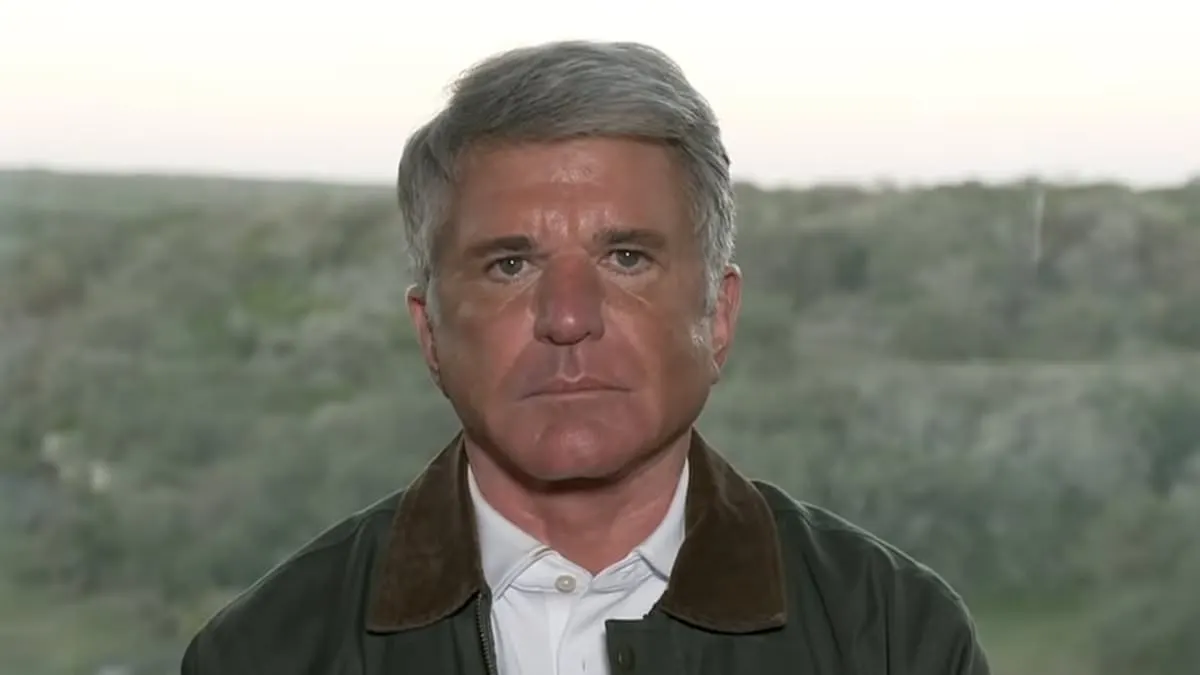
A longtime Republican Congressman, Michael McCaul of Texas, has criticised President Donald Trump's role in the reinstatement of Nvidia chief executive Jensen Huang last week. Speaking on ABC's This Week, McCaul called Trump's involvement unprecedented and said it ignored a potential national security risk. The criticism matters because it comes amid concern that commerce and profit are being weighed above national security at a time of intense US competition with China over artificial intelligence.
McCaul also predicted that a bipartisan effort in the next Congress would seek to fix the problem, though he suggested it might not confront the president directly. Former UN Ambassador Nikki Haley, interviewed on Meet the Press, said an investigation into Huang should still go ahead despite his return, and that Trump should not have intervened so heavily in a private company's affairs. Huang was ousted after an affair with a woman alleged to be a Chinese spy and reports of other affairs with subordinates. He returned after just 11 days, largely due to the president's support, and Nvidia's shares rose 31.5 percent on the news after falling nearly 50 percent from their October peak. Huang is scheduled to appear before Congress this week, and McCaul questioned whether he ignored warning signs linked to the Chinese company Megaspeed.
In short
- Republican congressman criticises Trump's role in Nvidia CEO's reinstatement
- McCaul calls the move unprecedented and a potential national security risk
- Bipartisan action on China and AI expected in the next Congress
- Huang returned after 11 days; Nvidia shares rose 31.5 percent
Steelman: both sides, in good faith
The strongest fair case each way — we don't pick a winner.
The case for
Those who defend the reinstatement argue that Nvidia is a company of major strategic importance, and that keeping its leadership stable helps sustain America's lead in artificial intelligence at a critical moment. They would note that the allegations against Huang, though serious, have not been shown to amount to a proven security breach, and that removing a founder-led firm's chief executive over private conduct could unsettle shareholders, employees and the wider technology sector. From this perspective, a president is entitled to weigh economic competitiveness alongside security, and to support a domestic champion that underpins innovation in the face of rivalry with China.
The case against
Critics argue that a chief executive facing credible concerns about links to a foreign intelligence service should be assessed through established security review processes, not through direct presidential intervention in a private company's affairs. They contend that national security considerations should not be outweighed by commercial interests, particularly in a field as sensitive as advanced AI, and that unresolved warning signs involving partner firms such as Megaspeed deserve full scrutiny before any return to power. Their concern is less about Huang personally than about precedent: if access to strategically significant technology can be shaped by political favour, both the integrity of security safeguards and public confidence in them may be weakened.
Explained simply
Nvidia is an American technology company whose chips power much of the boom in artificial intelligence (AI), making it one of the most valuable firms in the world. Its chief executive, Jensen Huang, co-founded the company in 1993 and is widely seen as the public face of its rise. Because its products are so central to AI, the company sits at the heart of wider debates about technology, trade and rivalry with China.
Huang was removed from his post after it emerged that he had an affair with a woman alleged to be a Chinese spy, and after reports of other relationships with subordinates. He returned after just 11 days, largely because of support from President Donald Trump, and the company's shares rose sharply, having fallen nearly 50 percent from their October peak.
The circumstances of his return have drawn attention in Washington, where some lawmakers argue that national security concerns should weigh more heavily than commercial interests. Those concerns are sharpened by the US contest with China over AI, and by questions about the company's dealings with Chinese firms.
Business Companies Government Politics World