Technology news and discussion on TalkFuse.
Why you probably shouldn’t put security cameras behind a window
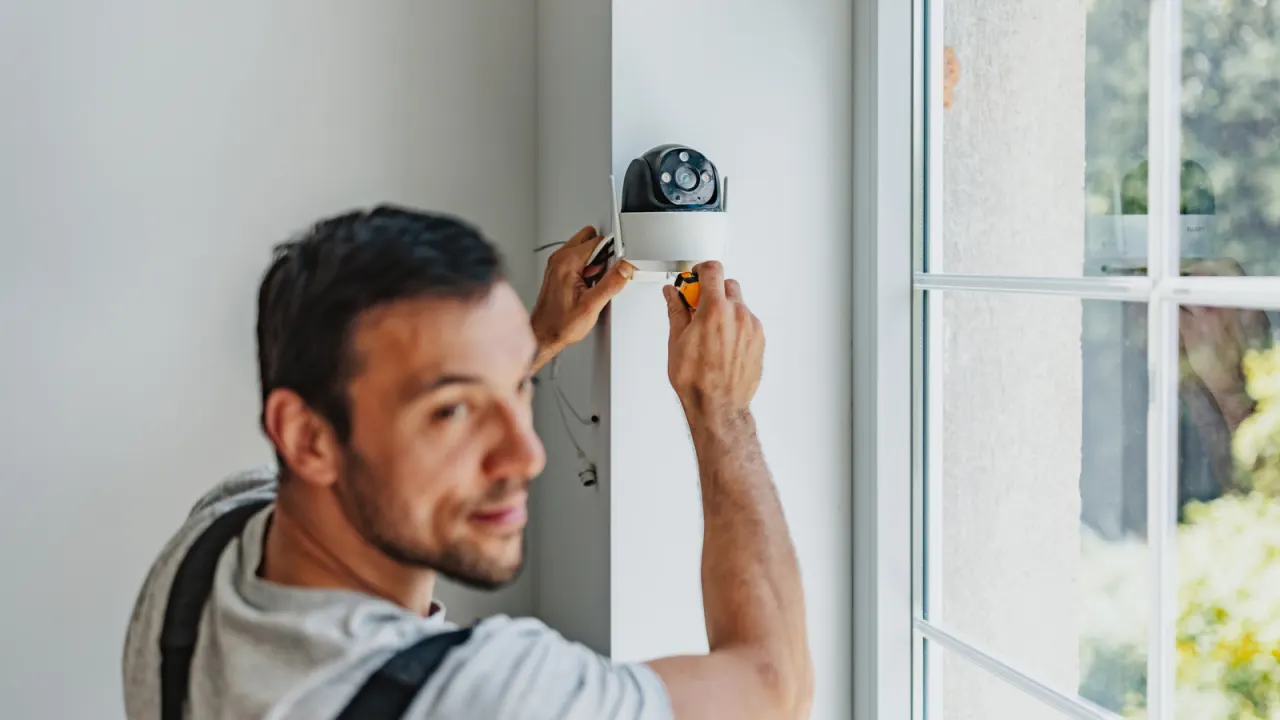
The article advises against placing security cameras behind windows. Although indoor placement is easy to set up and shields the device from weather and tampering, it can weaken a home's security. Glass collects grime and reflections, and rain, snow, ice or condensation can block the view entirely.
The article notes that at night, window glass interferes with infrared sensors because light bounces back at the lens, much like a flash photo taken in a mirror. Indoor cameras also tend to have a narrower field of view than outdoor ones, and placing one on a windowsill gives a lower angle that sees less. Stick-on window cameras reduce grime and glare and are easy to mount high, but they do not solve the field-of-view problem. Where an indoor camera is the only option, the article suggests cleaning the glass, moving reflective objects, positioning the camera close to the window and turning off room lights. It also recommends testing live feeds on a phone before fixing a camera in place.
In short
- Cameras behind windows suffer from glare, reflections and grime.
- Window glass blocks infrared at night, reducing night-time image quality.
- Indoor placement narrows coverage, so outdoor cameras are generally wiser.
Explained simply
Many homeowners set up security cameras indoors and point them through a window at the outside. This keeps the device protected from rain, wind and tampering and is simple to install. The approach is widely discussed, but it has drawbacks that affect how well the camera works.
Window glass can become dirty, show reflections and block the view entirely when rain, snow, ice or condensation builds up. At night, many cameras use infrared light, which the human eye cannot see, to record in the dark. This light can bounce off the glass back into the lens, much like a camera flash reflecting in a window, and indoor cameras often have a narrower field of view than outdoor models.
Stick-on cameras designed for windows can reduce grime and glare and be mounted higher up, but they do not fix the narrower view. Where an indoor camera is the only option, the suggested steps include cleaning the glass, moving reflective objects, placing the camera close to the window and turning off room lights. Checking the live feed on a phone before fixing the camera in place is also recommended.