Miami-based City Labs achieves a first for commercial nuclear power in space
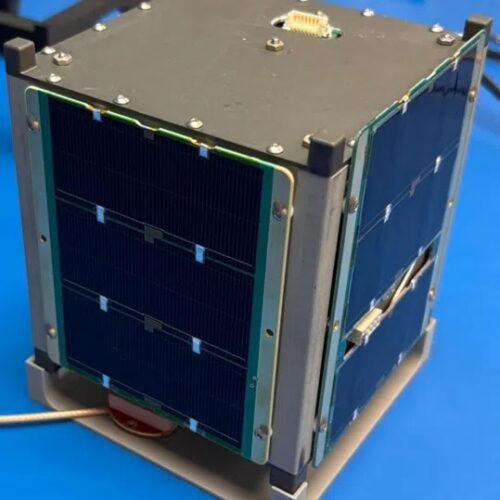
Miami-based City Labs has launched what it describes as the world's first commercial nuclear-powered satellite, marking a milestone for private-sector nuclear power in space. The CubeSat, named BOHR (Betavoltaic Orbital High-Reliability), reached orbit on Tuesday aboard a SpaceX Falcon 9 rideshare mission carrying around 80 other payloads, and was deployed at an altitude of between 350 and 400 miles (nearly 600km). While a long way from a full nuclear reactor capable of powering a Moon base or driving rockets across the Solar System, the mission is being presented as an early step towards more widespread nuclear power beyond Earth.
BOHR is built on a compact "1U" CubeSat platform roughly the size of a softball, and its experimental NanoTritium betavoltaic battery generates electricity from the decay of tritium, a radioactive isotope of hydrogen; the spacecraft itself still runs on conventional solar power for routine operations. Such systems produce only nanowatts to microwatts—far less than a smartphone needs—and suit low-power, long-duration uses such as remote sensors, secure communications and potentially implantable medical devices. BOHR was the first commercial nuclear mission cleared through the Federal Aviation Administration's new nuclear launch approval process, gaining authorisation last September, helped by its tiny quantity of tritium, which emits weak beta radiation that cannot penetrate skin. City Labs, which holds contracts with NASA, the US Air Force and Space Force, frames the mission as a pathfinder for future civil and national security spacecraft.
- City Labs launches first commercial nuclear-powered satellite, the BOHR CubeSat.
- Its tritium betavoltaic battery produces only nanowatts to microwatts of power.
- First commercial nuclear mission approved under the FAA's new process.