Video games news, releases, esports and culture — all the biggest gaming stories in one place.
Persona 4 Revival to soften Yosuke scenes long criticised as homophobic
Developed over time first seen 4 months ago
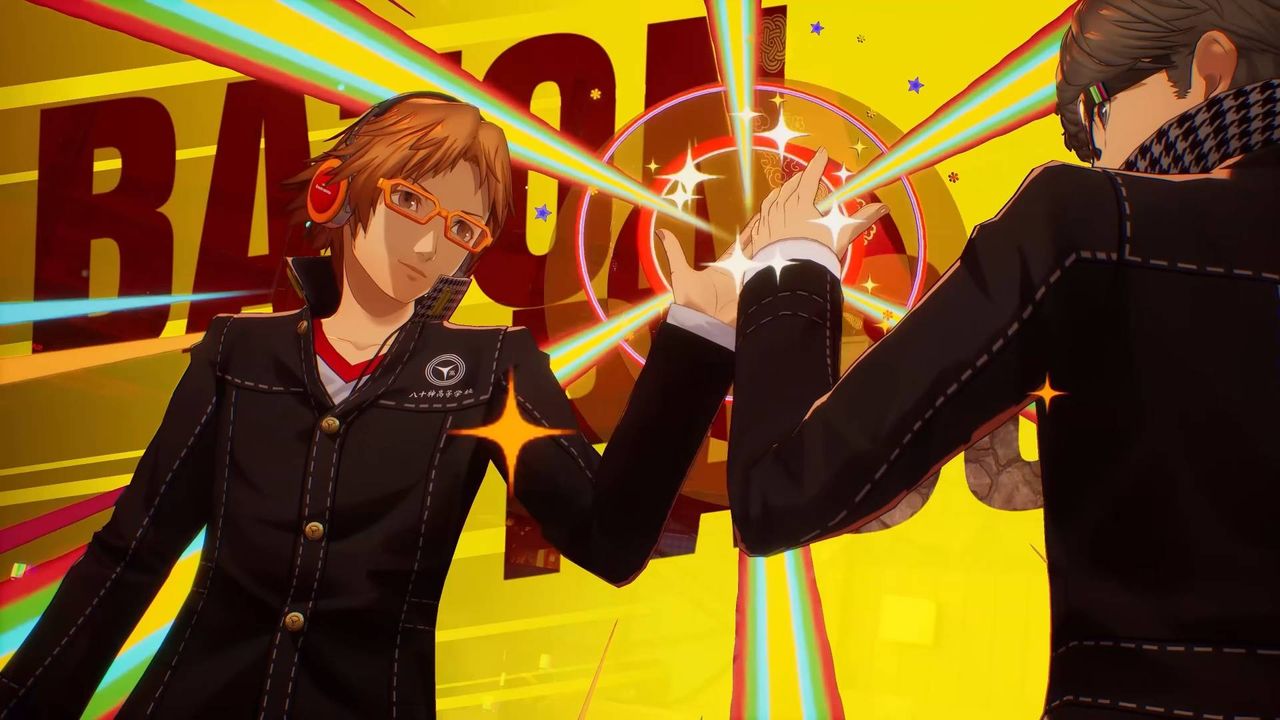
Atlus has confirmed that Persona 4 Revival, the forthcoming remake of the 2008 role-playing game, will alter some scenes involving the character Yosuke Hanamura that have long been criticised as homophobic. The original game featured moments—particularly around a camping trip and Kanji Tatsumi's storyline—in which Yosuke made jokes and displayed discomfort that many players viewed as mocking of LGBTQ+ themes. The developers say they want to update this material to better suit contemporary audiences, signalling a wider trend of studios revisiting dated content in remakes.
According to the developers, the aim is to "lighten that up and make it a little bit more fitting for the world we live in now", suggesting the changes will soften rather than wholly remove the scenes. Persona 4 originally launched on the PlayStation 2 in 2008, with an enhanced version, Persona 4 Golden, following in 2012. The Revival remake has been positioned as a modernised take on the game, and these narrative adjustments form part of that broader effort to bring the title in line with current sensibilities.
- Sources
- 2
- Outlets
- 2
- Left · Centre · Right
- 0 · 0 · 0
In short
- Persona 4 Revival will soften Yosuke scenes criticised as homophobic.
- Developers want the content to better fit modern audiences.
- Remake modernises the 2008 PS2 role-playing game.
How this story developed
- 4 months ago Atlus has confirmed that Persona 4 Revival, the forthcoming remake of the 2008 role-playing game, will alter some scenes involving the character Yosuke Hanamura that have long been criticised as homophobic.
Steelman: both sides, in good faith
The strongest fair case each way — we don't pick a winner.
The case for
LGBTQ+ representation matters, and players genuinely experienced harm from mockery and discomfort framed as comedic in the original game. The developers themselves recognise this and choose to revise their own work for contemporary audiences—a choice that reflects both evolved understanding and creators' autonomy to improve their vision. A remake is the transparent and appropriate vehicle for such thoughtful changes.
The case against
Completed artistic works have value as historical records, including their blind spots and failures, and retroactively altering them risks erasing important evidence of how attitudes have shifted. Rather than revise content now, the stronger approach is to preserve the original, provide context for 2008 sensibilities, and trust audiences to engage critically with what it reveals about cultural change. Sanitising the past can obscure genuine lessons about why these attitudes were once normalised and how critical thinking about media matters.
Explained simply
Persona 4 is a role-playing video game originally released in 2008 for the PlayStation 2, later re-released in an expanded form as Persona 4 Golden in 2012. It follows a group of teenagers investigating a mystery in a small Japanese town, and it remains one of the most popular titles in the long-running Persona series. Atlus, the Japanese studio behind the game, is now developing a remake called Persona 4 Revival.
One of the game's storylines involves Kanji Tatsumi, a character whose arc touches on questions of sexuality and identity. Alongside this, another character, Yosuke Hanamura, has scenes—most notably during a camping trip—where his jokes and reactions have long been seen by many players and critics as mocking or dismissive of LGBTQ+ themes, prompting years of debate about how the game handles the subject.
This matters because it reflects a broader pattern of game studios reworking older material when bringing classic titles to new audiences, weighing fidelity to the original against changing social attitudes. Atlus has said it wants to update these scenes to feel more appropriate for today's players, making Persona 4 Revival a notable example of how remakes can become a flashpoint for wider conversations about representation in games.
Coverage · 2 sources
Read the full article at the source →
Originally published by GamesRadar+ as “Persona 4 Revival changes some of Yosuke’s controversial scenes: “We wanted to lighten that up and make it a little bit more fitting for the world we live in now””.