‘A lot of red flags’: plans for New Zealand’s first datacentre spark concern as locals demand greater transparency
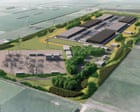
Plans for New Zealand's first AI datacentre, a NZ$3.5bn (US$2bn) facility to be built by Singapore-based company Datagrid in Makarewa, north of Invercargill, have prompted concern among local residents who are demanding greater transparency. Their worries centre on the centre's substantial electricity and water consumption, potential noise and light pollution, and a sense that the wider community was not consulted before approval was granted. The dispute reflects a broader global debate over the rapid growth of datacentres and whether their promised local benefits justify the environmental and social costs.
The 49-hectare facility, due to begin construction this year and become operational by 2028, would become New Zealand's second-largest electricity user after the Tiwai Point aluminium smelter, drawing 280MW. Datagrid says it will create around 1,200 construction jobs and about 50 permanent roles, and has approval to run up to 84 diesel backup generators, draw up to 604,800 litres of groundwater per day, discharge 5,000 litres of treated wastewater daily and remove a nearby wetland. Critics including economic geographer Angus Dowell question the long-term economic value and cite "a lot of opacity", while chief executive Rémi Galasso has said concerns over water and power are unfounded, pointing to the cool climate and long-term renewable energy arrangements. The project forms part of a government push, via Invest New Zealand, to attract NZ$25-30bn in foreign datacentre investment.
- New Zealand's first AI datacentre planned near Invercargill sparks local concern.
- NZ$3.5bn site would be nation's second-biggest power user at 280MW.
- Residents demand transparency; company insists water and power fears unfounded.