Fossil crocodile species identified in limestone used to build Giza Sphinx
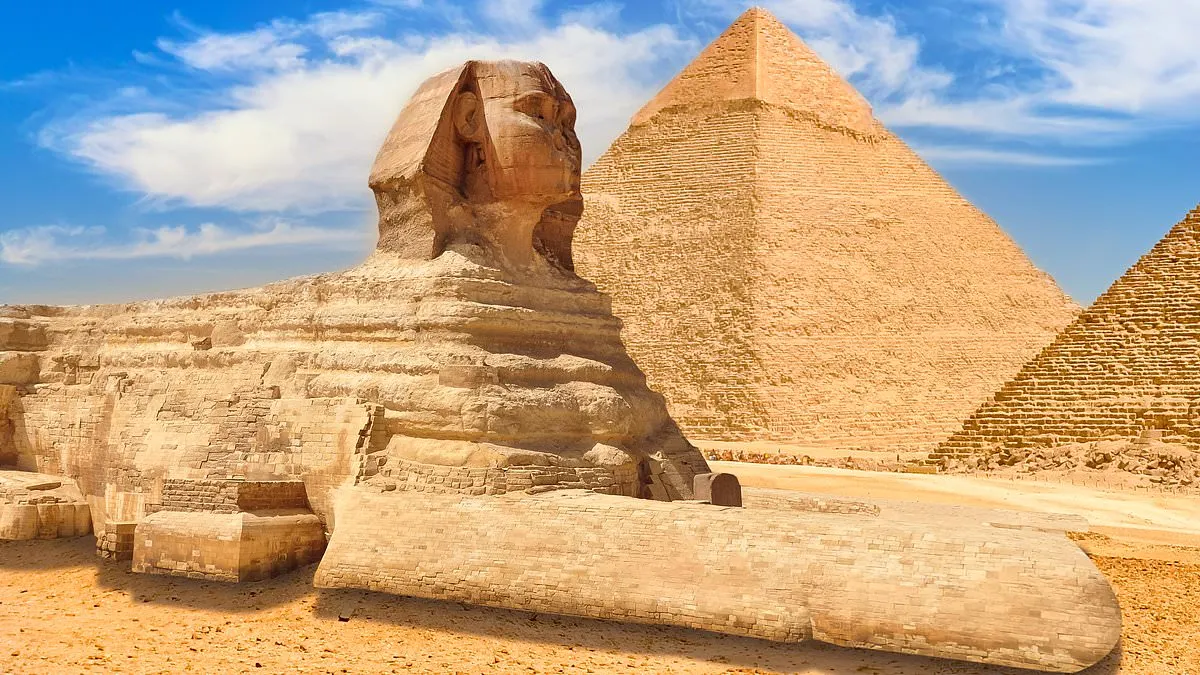
Scientists have identified a new species of extinct crocodile discovered in the limestone rocks used to construct the Great Sphinx of Giza over 4,000 years ago. Named Herugavialis cairensis, the 54-million-year-old predator was found in the Mokattam Formation in northern Egypt, and researchers believe the Sphinx itself may now contain fossils of these ancient creatures.
The crocodile fossil was originally discovered in the 1920s but was initially misidentified as a false gharial until modern CT scanning technology allowed researchers to identify key anatomical differences. Herugavialis was a long-snouted member of the gavial family, likely feeding on fish in shallow marine environments. Intriguingly, the fossil's skull is missing its snout tip, mirroring the Sphinx's famously missing nose. The findings have been published in Royal Society Open Science.
- Scientists discovered a new extinct crocodile species in rocks used to build the Sphinx
- Named Herugavialis cairensis, it lived 54 million years ago and likely ate fish
- The fossil skull is also missing its tip, like the Sphinx's damaged nose
New here? Start with this
The Great Sphinx of Giza, built over 4,000 years ago, is one of the world's most famous monuments. Its limestone blocks came from quarries in northern Egypt, and scientists have now discovered that these ancient rocks contain fossils of a previously unknown prehistoric crocodile species.
The crocodile, named Herugavialis cairensis, lived around 54 million years ago in shallow marine environments where it hunted fish. The fossil was actually discovered in the 1920s but was misidentified until researchers used modern CT scanning technology to identify it as a new species.
The crocodile fossil's skull is missing its snout tip, which mirrors the Sphinx's famous missing nose. The research has been published in the journal Royal Society Open Science.
Offbeat Research Science Weird & Viral World
Read the full article at the source →
Originally published by Daily Mail as “The Sphinx’s secret: Egyptian monument was built from rocks filled with the hidden fossils of ancient crocodiles, scientists discover”.