Entertainment news and discussion on TalkFuse.
10 Greatest Banned Books of All Time
The article ranks notable banned books and argues that censorship often reflects how politically, socially or morally challenging a work is.
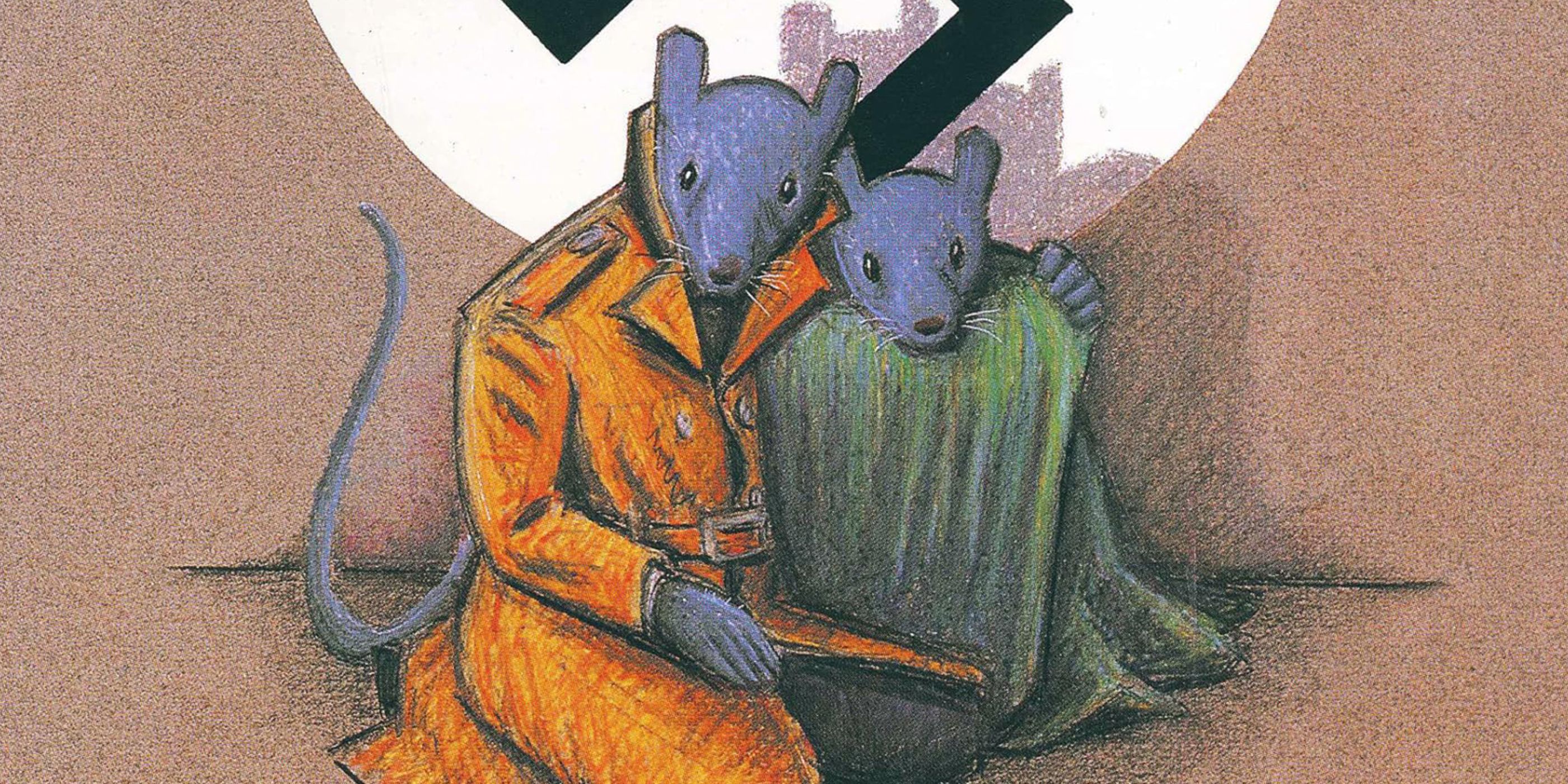
– Marjane Satrapi’s *The Complete Persepolis* is praised for its autobiographical account of the Iranian Revolution, with bans linked to its criticism of authoritarianism and its treatment of religion, identity and resistance. – Toni Morrison’s *The Bluest Eye* is highlighted for its portrayal of racism, abuse, poverty and internalised self-hatred through the story of Pecola Breedlove; the article notes it has remained a censorship target, including a Texas school district ban in 2024. – John Green’s *Looking for Alaska* is described as a major young adult novel about friendship, grief and meaning after tragedy, but one that has faced repeated challenges largely because of a sexual scene. – Art Spiegelman’s *Maus* is presented as a groundbreaking Holocaust graphic novel and Pulitzer Prize winner, with bans in school districts continuing into 2023 despite its literary and historical importance. – Václav Havel’s *The Power of the Powerless* is included as an influential political essay about life under Communist rule in Czechoslovakia and the broader workings of authoritarian power.
In short
- The piece ranks major banned books.
- It links bans to challenging themes.
- Graphic novels and classics feature prominently.
Steelman: both sides, in good faith
The strongest fair case each way — we don't pick a winner.
The case for
These works represent essential voices confronting injustice, authoritarianism and systemic oppression. Many possess significant literary and historical merit—Maus won the Pulitzer Prize, Persepolis offers first-hand testimony to revolution, Morrison's novels explore racism's psychological devastation with sophistication. Restricting access to challenging ideas undermines intellectual development and often reflects attempts to suppress perspectives that question existing power structures. Freedom of expression and the right to read widely are fundamental to an educated, thinking public.
The case against
Parents and communities reasonably seek some discretion over what children encounter in school settings, particularly regarding explicit sexual content or graphic depictions. There is a meaningful distinction between protecting a book's right to exist and its inclusion in school curricula—curating age-appropriate materials differs from censorship. Schools bear responsibility for balancing literary merit with developmental appropriateness. Community voices in educational decisions matter, and concerns about certain content need not reflect intolerance but rather recognition that guided introduction to complex material serves young readers better.
Explained simply
This article ranks ten notable books that have been censored or banned. These works typically face censorship when they contain ideas or depictions that challenge the political, social or moral norms of their time and place.
The books discussed include Art Spiegelman's Maus, a graphic novel about the Holocaust, and Marjane Satrapi's The Complete Persepolis, which depicts the Iranian Revolution. Others include Toni Morrison's The Bluest Eye, exploring racism and abuse, John Green's Looking for Alaska, a young adult novel about grief, and Václav Havel's The Power of the Powerless, a political essay on life under communist rule.
By examining which books face censorship, patterns emerge about what content societies find challenging. Books tend to be banned when they question authority, address difficult subjects such as racism or abuse, or challenge prevailing ideas about identity and religion.