World news and discussion on TalkFuse.
Trump says he’s Iran’s ‘No. 1’ target as renewed conflict raises assassination fears
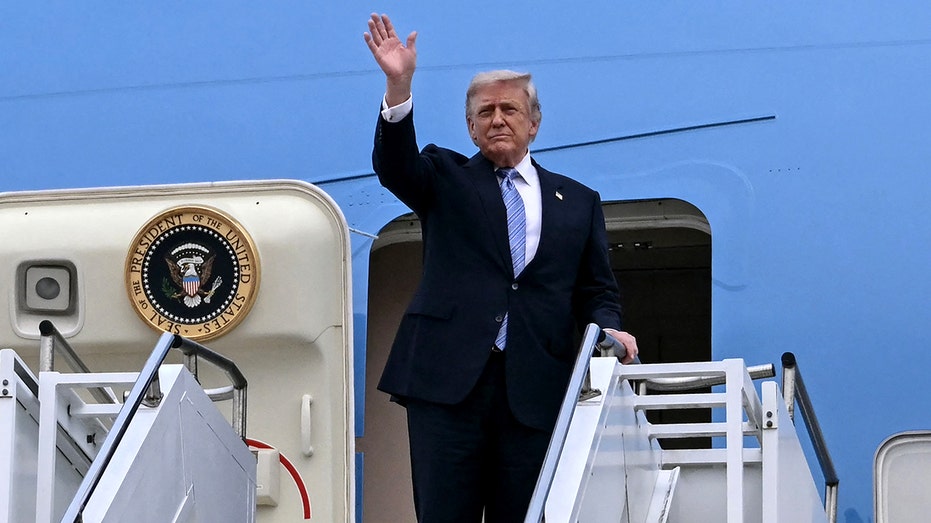
President Donald Trump has repeatedly stated that he believes he is Iran's top assassination target, telling reporters at a recent NATO summit that he is "No. 1 on the kill list for Iran". His candid remarks have drawn attention because they coincide with a Wall Street Journal report claiming that Israel recently passed the United States fresh intelligence indicating Iran had devised a new plan to kill him, lending apparent weight to long-standing concerns about his safety amid renewed US-Iran conflict.
The threat has also fuelled questions about an unusual aircraft switch during Trump's return from the summit in Turkey, which borders Iran. He flew out aboard the new Air Force One, a retrofitted Boeing 747 donated by Qatar, but switched to one of the older Boeing VC-25A jets for the first leg home, from Ankara to RAF Mildenhall in the UK, before switching back for the transatlantic journey. The White House has not said whether the intelligence influenced the decision, and Trump attributed the change to the newer plane being flown ahead so US troops could tour it. Former Secret Service agent Bill Gage said he had "never seen a plane switch up" mid-trip in all his years of service, while Trump suggested Iran may be seeking revenge for the US killing its leadership.
In short
- Trump claims he is Iran's number one assassination target.
- Israel reportedly warned the US of a new Iranian plot.
- An unusual mid-trip Air Force One switch raised questions.
Steelman: both sides, in good faith
The strongest fair case each way — we don't pick a winner.
The case for
Those who take the threat seriously contend that Israeli intelligence assessments of Iranian assassination plots are typically reliable, and Iran has demonstrated both clear motive through US military actions against its leadership and documented capability to conduct lethal operations abroad. They argue that Trump's candid acknowledgement of the threat is appropriately transparent and represents legitimate security awareness rather than something that compromises counterintelligence efforts, whilst security measures like the aircraft switch are prudent given the assessed danger.
The case against
Those sceptical of the threat characterisation acknowledge Iran's historical hostility but contend that Trump has a documented pattern of dramatic public pronouncements, sometimes for political advantage, creating genuine ambiguity about whether the Iranian threat is accurately assessed or amplified. They argue that publicly discussing assassination plots can paradoxically increase security risk by further inflaming US-Iran tensions, and that operational details like the aircraft switch may reflect routine considerations rather than confirmation of an acute threat.
Explained simply
The United States and Iran have had deeply strained relations for decades, rooted in historical events including the 1953 CIA-backed coup and subsequent decades of sanctions. Tensions have intensified in recent years, particularly following the American killing of Iranian military commander Qasem Soleimani in 2020 and amid ongoing Middle East conflicts involving both countries.
President Trump has repeatedly claimed that Iran views him as its top assassination target. His claims gained attention after the Wall Street Journal reported that Israel had shared fresh intelligence with the United States suggesting an alleged Iranian plot to kill him, amid heightened US-Iran tensions.
The alleged threat carries implications for presidential security and US foreign policy toward Iran. Such claims of assassination plots reflect the hostile relationship between the two nations.
Americas Geopolitics Middle East Politics World