World news and discussion on TalkFuse.
WNBA player who battered Caitlin Clark elbows another Fever star in the face, but there’s a catch
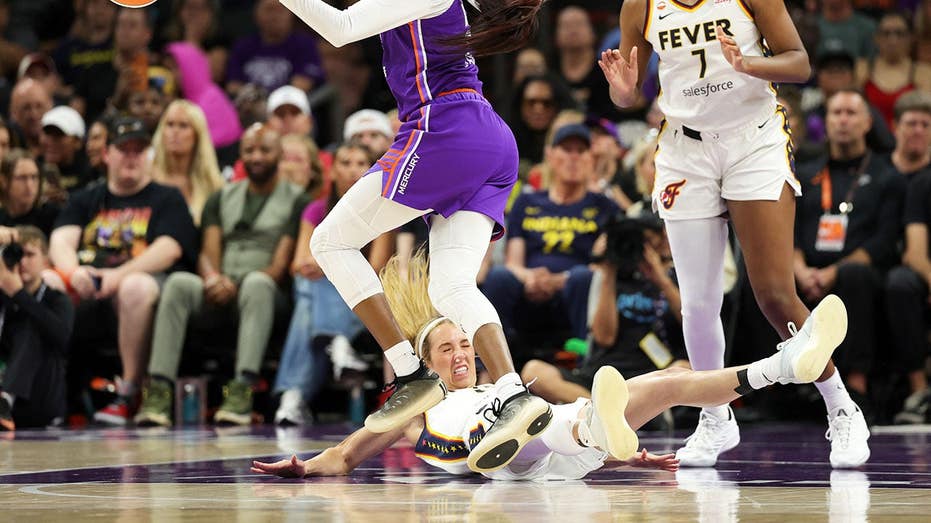
Indiana Fever guard Lexie Hull took an elbow to the face from Phoenix Mercury forward Alyssa Thomas during the third quarter of the two teams' meeting on Thursday night. The incident drew attention because Thomas is the same player who forcefully threw Fever star Caitlin Clark to the ground two weeks earlier, fuelling an increasingly heated rivalry between the sides. The "catch" flagged in the headline is that the writer — no fan of Thomas — argues the contact was simply an ordinary basketball play rather than a deliberate cheap shot.
The Fever won the game 92-89, sealed by a pair of Sophie Cunningham free throws at the finish, though Clark did not play, having been rested as a planned decision by head coach Stephanie White. Despite the loss, Thomas was the standout performer, scoring 22 points on 10-of-18 shooting. The elbow on Hull was reviewed by officials and ultimately ruled a shooting foul on Hull rather than a foul on Thomas, a call the writer agreed was correct.
In short
- Alyssa Thomas elbowed Fever's Lexie Hull in the face.
- Writer says it was just a normal basketball play.
- Fever won 92-89; Thomas scored 22 points.
Steelman: both sides, in good faith
The strongest fair case each way — we don't pick a winner.
The case for
Alyssa Thomas has been involved in two physical incidents within a fortnight—forcefully throwing Caitlin Clark to the ground and elbowing Lexie Hull in the face—that suggest a concerning pattern of unnecessary roughness. Whilst individual plays might be defensible in isolation, when similar incidents recur from the same player in quick succession, it indicates inadequate self-discipline or an overly aggressive approach that risks player injury. The league should consider whether such patterns warrant stricter accountability to protect both player safety and fair competition.
The case against
Physical contact is intrinsic to basketball, and incidental elbows during play do not constitute misconduct simply because they contact the face; officials trained to evaluate such plays reviewed this incident and correctly determined it was not a foul on Thomas. Attributing deliberate malice to ambiguous sporting contact because of a separate incident weeks earlier represents narrative-driven bias rather than fair assessment of the specific play. A reasonable sport relies on accepting official judgement of individual plays rather than retrofitting context into interpretations of borderline contact.
Explained simply
Caitlin Clark is a star player for the Indiana Fever in the WNBA, the professional women's basketball league in America. The highly anticipated draft pick has become one of the league's biggest attractions, drawing considerable attention to women's professional basketball.
Two weeks ago, Phoenix Mercury forward Alyssa Thomas threw Clark forcefully to the ground during a game between the teams. The incident sparked criticism and intensified the rivalry between the Fever and Mercury, raising questions about the physicality of their matchups.
This heightened tension between the teams is significant because both are prominent in the league, with their interactions now attracting close scrutiny from fans and commentators. Understanding this context helps readers make sense of the ongoing rivalry between the two teams.
Asia Basketball Celebrity Entertainment Sport World