Culture news and discussion on TalkFuse.
Garfield Kart slams Nintendo over Mario Kart Tour shutdown, jokingly takes its place as the “better” racing game: “We will not randomly kill your game license”
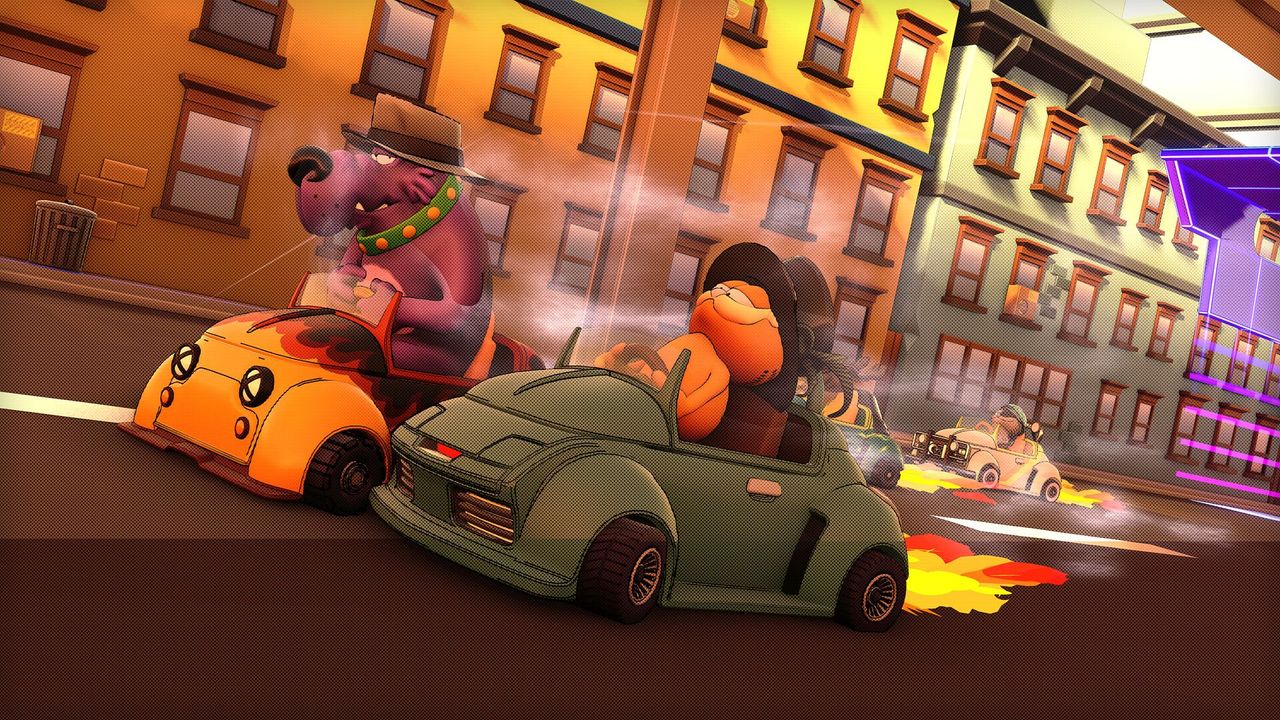
The developer of Garfield Kart has publicly needled Nintendo following the news that Mario Kart Tour is being wound down, cheekily positioning its own feline-themed racer as the "better" alternative that will always remain playable. The jab plays on a wider frustration among gamers about publishers pulling the plug on live-service and mobile titles, and the promise that Garfield Kart's licence "will not randomly" be killed taps into that anxiety for a bit of marketing mileage.
The comments came in response to Nintendo's decision to shut down Mario Kart Tour, its mobile spin-off, which follows a broader industry pattern of always-online games being retired once support ends. Garfield Kart, by contrast, is a conventionally purchased title that stays functional after purchase, which underpins the developer's tongue-in-cheek boast about not stripping players of access. The exchange is largely light-hearted promotion rather than a formal dispute, but it highlights the ongoing debate over game preservation and consumer ownership.
Steelman: both sides, in good faith
The strongest fair case each way — we don't pick a winner.
The case for
Publishers of live-service games argue that ongoing server infrastructure and maintenance costs cannot reasonably be borne indefinitely by a business model based on one-time purchase revenue. Players understood upon purchase that these were live services with impermanent lifecycles, and eventual shutdown is an industry standard that enables resources to be redirected to new development. Keeping legacy servers operational for diminished player populations becomes economically inefficient and represents capital misallocation that any business would struggle to justify.
The case against
Consumer advocates counter that players who paid for these games deserve meaningful ownership rather than having access revoked years later when profitability wanes. They argue publishers typically profit substantially during a game's active years and could pursue alternatives—offline modes, open-sourced server code, or reduced infrastructure—without destroying commercial viability. The current model privileges corporate convenience over consumer fairness and treats interactive art as disposable rather than culturally significant work meriting preservation.
Explained simply
Nintendo has announced that it will be ending support for Mario Kart Tour, its mobile racing game launched in 2019. The shutdown follows a widespread industry pattern where publishers discontinue online and mobile games once they stop generating revenue, meaning players lose access to games they previously paid for.
Garfield Kart is a racing game featuring the cartoon cat that players purchase outright and retain access to indefinitely. Unlike games that depend on publisher-maintained servers, traditional games of this kind continue to function regardless of whether ongoing support ends.
The difference between these approaches has become a growing concern for gamers regarding digital game preservation. When online games are discontinued, consumers lose permanent access to something they purchased, whereas games that function independently remain playable indefinitely. This issue has become more significant as publishers increasingly rely on online components to deliver games.
Art Culture Entertainment Gaming