Volkswagen will dramatically shrink its model lineup and factory footprint
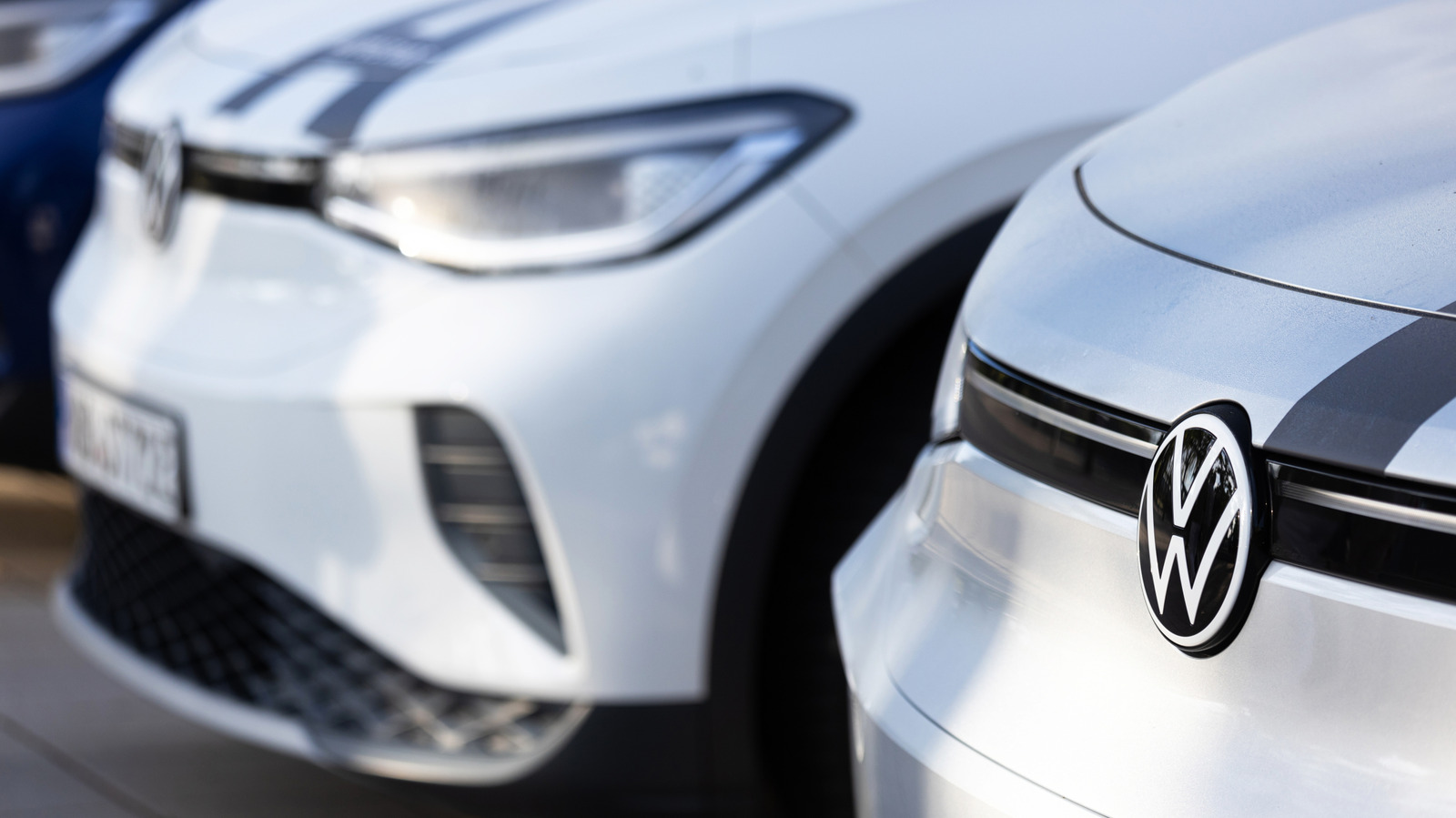
The German automaker is undertaking its largest restructuring in nearly nine decades, cutting its product range in half and reducing annual production capacity from 12 million to 9 million vehicles. The company attributes the overhaul to tariff pressures and intensifying competition in global markets, aiming to streamline operations and concentrate on high-margin segments. As part of this efficiency drive, Volkswagen is consolidating its software and platform divisions to eliminate redundancy across markets.
The restructuring carries significant employment consequences, with reports indicating plans to eliminate 100,000 positions representing 15 percent of the workforce at German facilities, alongside multiple factory closures. The announcement triggered protests organized by IG Metall, Germany's metalworkers' union, at 18 Volkswagen sites, with union leadership signaling strong opposition to the scale of the proposed cuts.
- Volkswagen cutting model lineup by 50% and reducing annual production capacity from 12 million to 9 million vehicles, citing tariffs and global competition
- 100,000 jobs (15% of German workforce) face elimination and multiple factories will close in the company's largest overhaul in 89 years
- Metalworkers' union organized protests at 18 VW sites in response to restructuring announcement
New here? Start with this
Volkswagen is one of the world's largest automakers, based in Germany. The company has announced plans to significantly reduce the number of different car models it produces and to cut its manufacturing capacity substantially. This restructuring is being described as the largest the company has undertaken in nearly nine decades.
The company says the overhaul is necessary because of rising trade tariffs and increased competition in global car markets. To become more profitable, Volkswagen wants to focus on making fewer types of cars with higher profit margins, rather than trying to serve every market with a wide variety of models. The company is also consolidating divisions to reduce unnecessary duplication of work.
The restructuring will have major consequences for workers, particularly in Germany. Reports suggest the company plans to eliminate around 100,000 jobs, representing about 15 per cent of its German workforce, and close multiple factories. The announcement has sparked significant opposition from Germany's metalworkers' union, which represents affected workers and has organised protests at multiple Volkswagen sites.
Both sides, in good faith
The strongest fair case each way — we don't pick a winner.
The case for
Volkswagen faces unprecedented market disruption from Chinese EV manufacturers, tariff barriers, and evolving consumer preferences that make its current bloated product portfolio and redundant regional operations economically unsustainable. The company's executives argue that decisive restructuring now—consolidating overlapping platforms, eliminating redundant models, and right-sizing production capacity—is essential not merely for profitability but for the firm's survival and its ability to remain a competitive, investment-ready employer in the long term. Painful as workforce reductions are, allowing inefficiency to persist would risk far graver consequences: continued losses, diminished investment in crucial technologies, and potentially catastrophic failure that would destroy all remaining jobs.
The case against
The scale of Volkswagen's proposed cuts reflects a choice to prioritise shareholder returns and managerial efficiency over the welfare of workers and the communities dependent on the company's presence. Critics contend that the cuts are unnecessarily severe and that alternatives—gradual transition timelines, substantial retraining and reskilling programmes, negotiated work-sharing arrangements with unions—could address competitive challenges whilst preserving livelihoods and honouring Volkswagen's long-standing obligations to its workforce. The company's difficulties, whilst genuine, do not absolve it of social responsibility; other automakers are managing transition pressures without eliminating 15 per cent of their workforce.