Culture news and discussion on TalkFuse.
The Meta Glasses backlash is changing how (or if) people use them
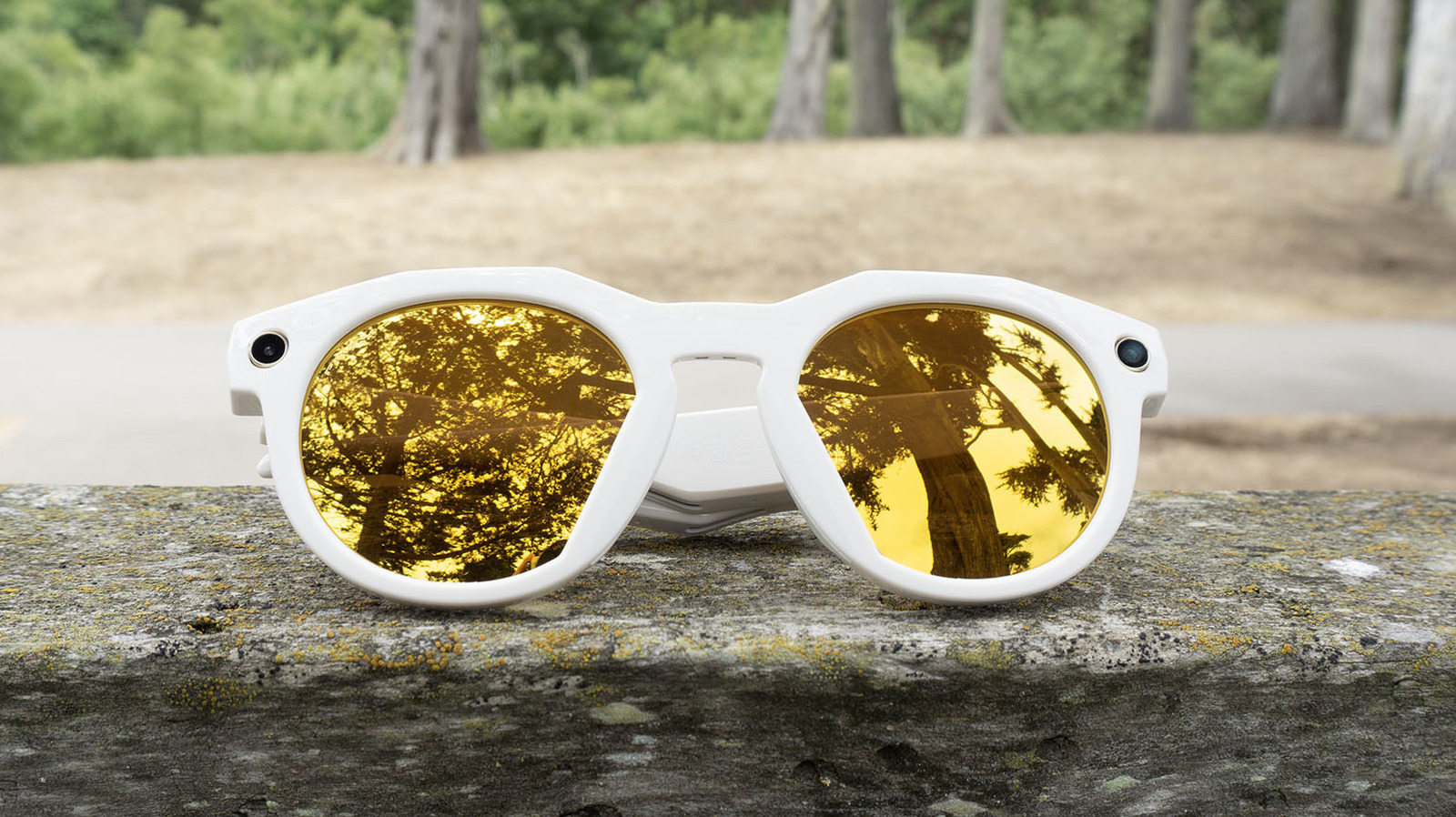
Meta's smart eyewear products have become the subject of intense online criticism focused on surveillance and privacy risks. The backlash intensified following reports of contractors managing intimate content captured through the glasses and incidents of men using them to film women without consent. The introduction of a cheaper product line and announcements of facial recognition features have amplified the negative discourse across social platforms.
The reputational fallout is measurably affecting how existing users deploy the technology in daily life. Creators and enthusiasts who initially appreciated the glasses now limit public use, weighing genuine technical benefits against social stigma and concern over being perceived negatively by others. Even users confident in their own responsible use report increased hesitation due to persistent online criticism and documented misuse cases.
In short
- Meta smart glasses face escalating backlash over privacy misuse, including non-consensual recording and contractor handling of sensitive images
- Content creators and early adopters are reducing public use despite appreciating the technology, citing fears of social stigma and negative perception
- The reputational damage is creating a gap between technical capability and real-world adoption due to documented misuse and privacy concerns
Steelman: both sides, in good faith
The strongest fair case each way — we don't pick a winner.
The case for
Meta Glasses offer genuine technical benefits that merit continued development and adoption, and the backlash may disproportionately penalise the technology based on worst-case scenarios and misuse by bad actors. Society successfully navigated comparable concerns with smartphones, which can similarly record without consent; the solution lies in stronger enforcement of existing privacy laws and user accountability rather than technological rejection. Most users demonstrate responsible behaviour and should not face social stigma for adopting tools that, when used lawfully, provide legitimate value.
The case against
The documented cases of non-consensual recording, contractors mishandling intimate content, and announced facial recognition capabilities represent genuine harms that warrant serious public concern. Wearable glasses are distinctly more covert than smartphones and inherently less visible for continuous recording, fundamentally changing the social contract around public filming—people cannot easily discern they are being recorded and cannot reasonably consent. The accumulating evidence of misuse, combined with normalisation of discreet surveillance technology, justifies measured public hesitation and user caution about widespread adoption.
Explained simply
Meta Glasses are smart eyewear with cameras that record what the wearer sees and hears. They allow users to capture daily activities hands-free and share them online, creating a form of wearable camera technology. The glasses can be worn visibly or inconspicuously, which has raised questions about when people around the wearer know they are being recorded.
Significant concerns about privacy and surveillance have emerged as the technology spreads. There have been documented cases of people using the glasses to film others without consent, and reports that Meta contractors have accessed intimate content recorded through the devices. Plans to add facial recognition features and launch cheaper models have further intensified these concerns.
These worries are now affecting how users engage with the technology in public. Some early adopters now limit where and when they wear the glasses, concerned about how others perceive them or about contributing to surveillance culture. This reflects tension between the devices' technical appeal and growing unease about their potential for misuse.