New releases, music videos and album news — indie, rap, rock and pop. Always covering Ren, Chris Webby, Sam Tompkins, bbno$, CHINCHILLA, Muse, Yungblud and more.
The 1971 scene so controversial that it was banned for 30 years: “Outrageously sick”
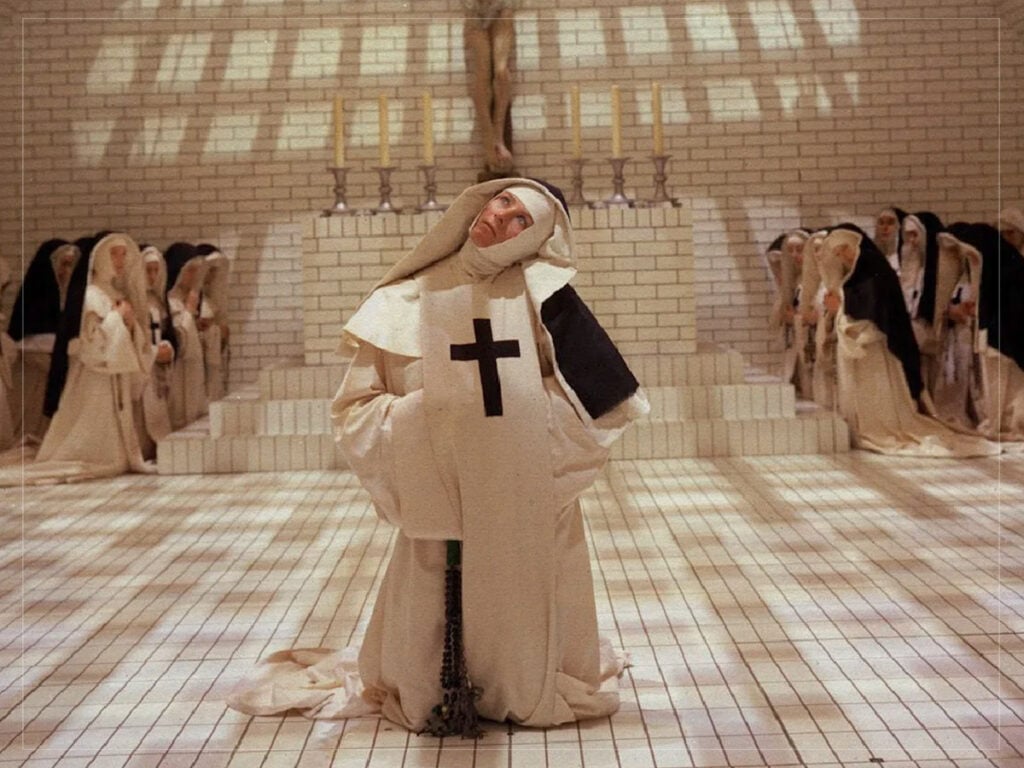
Following the decline of the Hays Code, 1970s filmmakers increasingly explored taboo subjects including sexuality, violence, and religious transgression. Ken Russell's 1971 adaptation of Aldous Huxley's historical account, 'The Devils,' exemplified this shift by depicting a convent gripped by sexual obsession and demonic possession, featuring explicit nudity and provocative religious imagery.
The British censorship board suppressed one particular sequence—colloquially known as 'The Rape of Christ'—for three decades, rendering it nearly impossible for audiences to view until its 2002 broadcast in a documentary about the film's production. Notably, many other sexually explicit scenes survived the cutting process, underscoring the arbitrary nature of institutional censorship during an era when cinema's boundaries were rapidly expanding.
In short
- Ken Russell's 1971 'The Devils' exemplified early 1970s cinema's embrace of controversial religious and sexual imagery after the Hays Code's decline
- A scene featuring nude nuns and religious iconography was suppressed by British censors for 30 years before surfacing in a 2002 documentary
- The film's partial survival demonstrates tension between artistic expression and institutional censorship during a transitional period in filmmaking
Steelman: both sides, in good faith
The strongest fair case each way — we don't pick a winner.
The case for
Religious imagery used in sexually explicit contexts can be experienced as deeply offensive to believers and unnecessarily provocative. The censors' role was to balance artistic freedom with respect for the profound beliefs of religious communities. This was not about suppressing all explicit content but about recognising that some combinations—particularly those depicting religious figures in sexual situations—crossed a threshold of gratuitous transgression warranting protection.
The case against
Once institutional film censorship began to relax, filmmakers gained the right to explore challenging and provocative subject matter, including religious critique expressed through difficult imagery. The arbitrary suppression of this scene whilst permitting other explicit sequences reveals that censorship was targeting ideas rather than applying consistent content standards. A free society should trust audiences to encounter and evaluate difficult art themselves; banning films for decades denies viewers the opportunity to engage with complex artistic visions.
Explained simply
The 1970s saw film censorship become less strict, allowing directors to explore previously forbidden subjects like sexuality and violence. Ken Russell directed "The Devils" in 1971, adapting Aldous Huxley's work, and the film contained explicit sexual imagery and controversial religious depictions. It exemplified cinema's rapidly shifting boundaries during this era.
The British film board deemed one scene so objectionable that it banned it entirely for thirty years. This sequence, informally called "The Rape of Christ", remained virtually unseen until its appearance in a 2002 documentary about the film. The censors' decision to suppress this scene was notable given that other explicit sexual content in the film remained intact.
The case reveals inconsistencies in film censorship during a transformative period in cinema. It raises questions about who determines which images audiences should not see and on what basis. The story demonstrates how institutional censorship decisions do not always follow clear principles.