Culture news and discussion on TalkFuse.
“He blew it”: The 1980s feud at the heart of the Ramones’ punk dominance
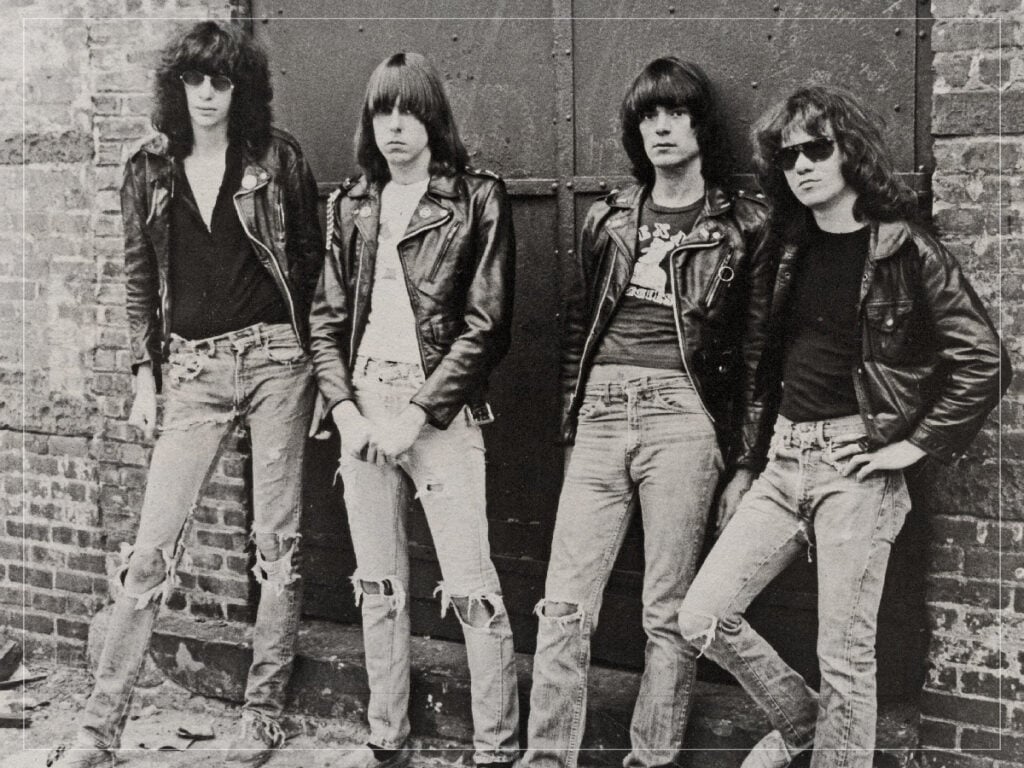
Drummer Richie Ramone's four-year tenure with the Ramones from 1983 to 1987 began with considerable promise, as he appeared on three successive albums and initially received public praise from Joey Ramone for restoring the band's original energy and spirit after years of stylistic drift.
Richie's departure in 1987 came at a pivotal moment, occurring without notice just as the album Halfway to Sanity was completed and a major tour, including dates at The Ritz in New York, was about to commence. The split centred on financial disagreements, particularly Richie's request for a percentage of merchandising profits, which the founding members—especially Johnny Ramone—refused to grant, leading Joey to publicly blame Richie's departure on ego and greed rather than acknowledging his contributions to the band's revival.
In short
- Richie Ramone joined as drummer in 1983 and was credited with revitalising the band, contributing to three albums before his sudden 1987 departure
- He quit abruptly during a critical touring period over financial disputes, specifically his request for merchandising profit participation being denied by the founding members
Steelman: both sides, in good faith
The strongest fair case each way — we don't pick a winner.
The case for
Richie Ramone revitalised a flagging band, appearing on three successful albums and earning Joey Ramone's public praise for restoring their original energy. When he requested fair compensation through a merchandising percentage reflecting his demonstrable contribution to the band's commercial revival, the founding members refused to negotiate, treating him as replaceable despite his proven value. His departure, though sudden, represented a musician's difficult choice to leave rather than remain undercompensated by those unwilling to recognise his creative and commercial contributions.
The case against
The Ramones were founded and built by their core members, who had established their ownership and compensation structures before Richie joined as a drummer. His role was to play the drums according to his contract, not to renegotiate profit-sharing arrangements mid-tenure; asking for a merchandising percentage amounted to seeking partner status rather than accepting a hired musician's position. His sudden departure without notice, timed precisely when a major tour was about to launch, prioritised personal grievance over professional obligation and the livelihoods of everyone dependent on that tour proceeding.
Explained simply
The Ramones were an influential American punk rock band that emerged in the 1970s. Richie Ramone was the band's drummer from 1983 to 1987, appearing on three albums during a period when he was credited with restoring the group's creative energy after years of musical drift.
Richie left the band abruptly in 1987, just as they were finishing the album Halfway to Sanity and preparing for a major tour. The departure resulted from a financial disagreement, specifically Richie's request for a percentage of the band's merchandising profits, which the founding members, particularly Johnny Ramone, refused to grant.
This split reveals how tensions over money and recognition could fracture even successful creative partnerships. The timing was significant because it came during a period when the band's fortunes were being revived, making the loss of the person credited with that revival potentially consequential for their future direction.