The Alex Garland Movie Viewers Hated Is Worth a Second Look
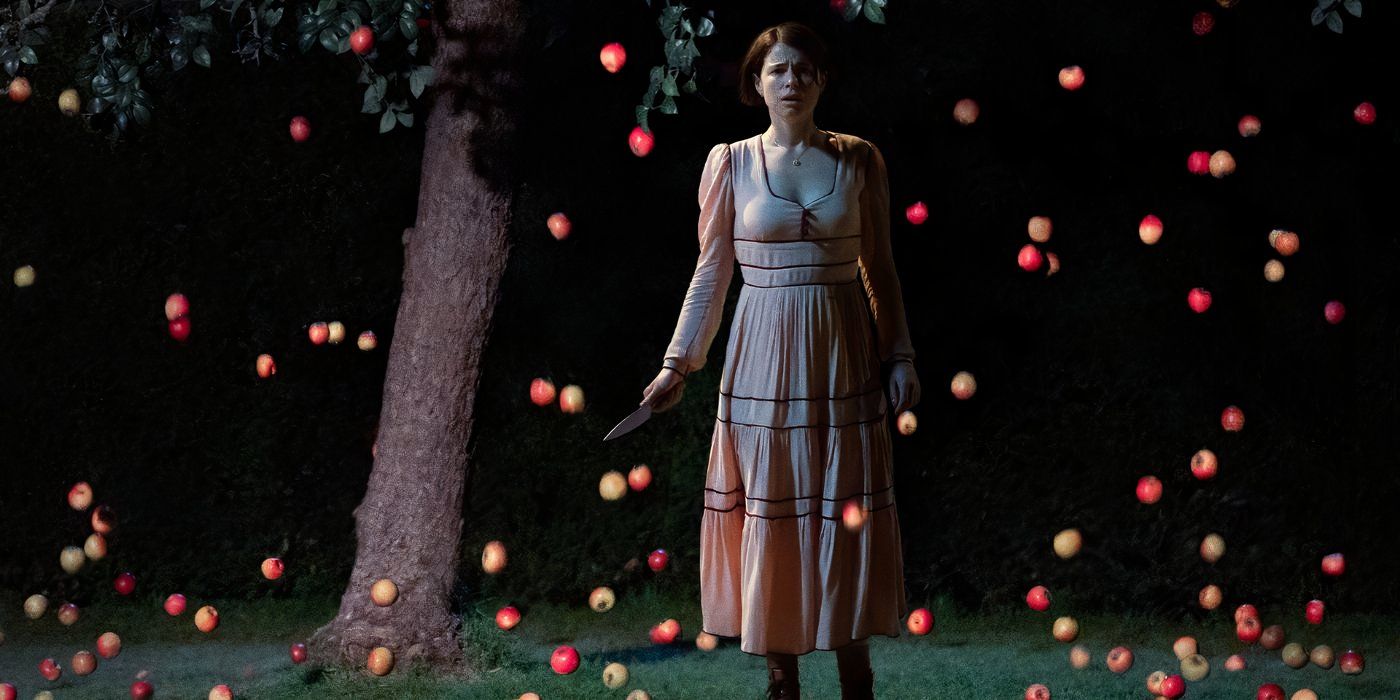
Alex Garland established himself over the past decade as a sophisticated director of science fiction and action films within the A24 ecosystem, beginning with his 2014 debut Ex Machina. His 2022 film Men, however, marked a significant departure from his established formula, trading intellectual ambition for a horror film that initially appears to be a commentary on grief and male violence but gradually devolves into increasingly absurd and graphic practical effects sequences.
The film follows Harper, a woman recovering from her husband's suicide who encounters multiple incarnations of malevolent men whilst retreating to the English countryside. Though Garland's underlying themes about predatory masculine behaviour are evident throughout, the film's most distinctive feature emerges in its climax, where it abandons subtle symbolism in favour of elaborate gore effects reminiscent of 1980s horror directors like Brian Yuzna and Stuart Gordon. Whilst many critics regarded this stylistic pivot as a miscalculation by a talented filmmaker, the film offers genuine entertainment value for audiences who appreciate creative practical effects and genre thrills.
- Director Alex Garland's 2022 horror film 'Men' was critically divisive for abandoning his signature cerebral style in favour of extreme gore and absurdism
- The film features heavy-handed symbolism about grief and male predation, but increasingly embraces creative 1980s-style practical effects that offer entertainment value
- Critics initially dismissed it as a failed experiment, though viewers who appreciate inventive gore effects may find it worthwhile
New here? Start with this
Alex Garland has established himself over the past decade as a significant filmmaker, particularly known for thoughtful science fiction films such as his 2014 debut Ex Machina. His work has earned him a strong reputation with critics and audiences interested in intelligent genre cinema.
In 2022, Garland released Men, a horror film that marked a sharp departure from his previous work. The film follows a woman processing her husband's suicide as she encounters multiple threatening male figures during a retreat to the English countryside, exploring themes of male violence and predatory behaviour.
What distinguished Men was its final act, which abandoned psychological subtlety in favour of elaborate, graphic practical effects sequences. The film divided audiences and critics upon release, with some viewing it as a failed experiment by a talented director whilst others recognised genuine creativity and technical ambition in its horror approach.
Both sides, in good faith
The strongest fair case each way — we don't pick a winner.
The case for
Reconsidering the film reveals a deliberate artistic choice to manifest the film's thematic concerns through increasingly visceral and inescapable imagery—the grotesque practical effects serving as embodiment rather than distraction from the predatory male violence at its centre. For viewers who appreciate genre filmmaking and creative practical effects craftsmanship, the film represents the kind of uncompromising vision that merits appreciation, with its tonal shift reflecting genuine artistic courage rather than commercial calculation.
The case against
The film's abandonment of intellectual sophistication in favour of graphic gore sequences represents a tonal and thematic miscalculation, where the film's genuine insights about predatory masculine behaviour become secondary to the spectacle of graphic imagery. Whilst practical effects are admirable craftsmanship, they serve the story less effectively than the restraint and symbolism that defined Garland's earlier work and might have carried greater emotional weight here.