Entertainment news and discussion on TalkFuse.
“It’s a fact”: the only person in Hollywood who said Paul Newman “was not a great actor”
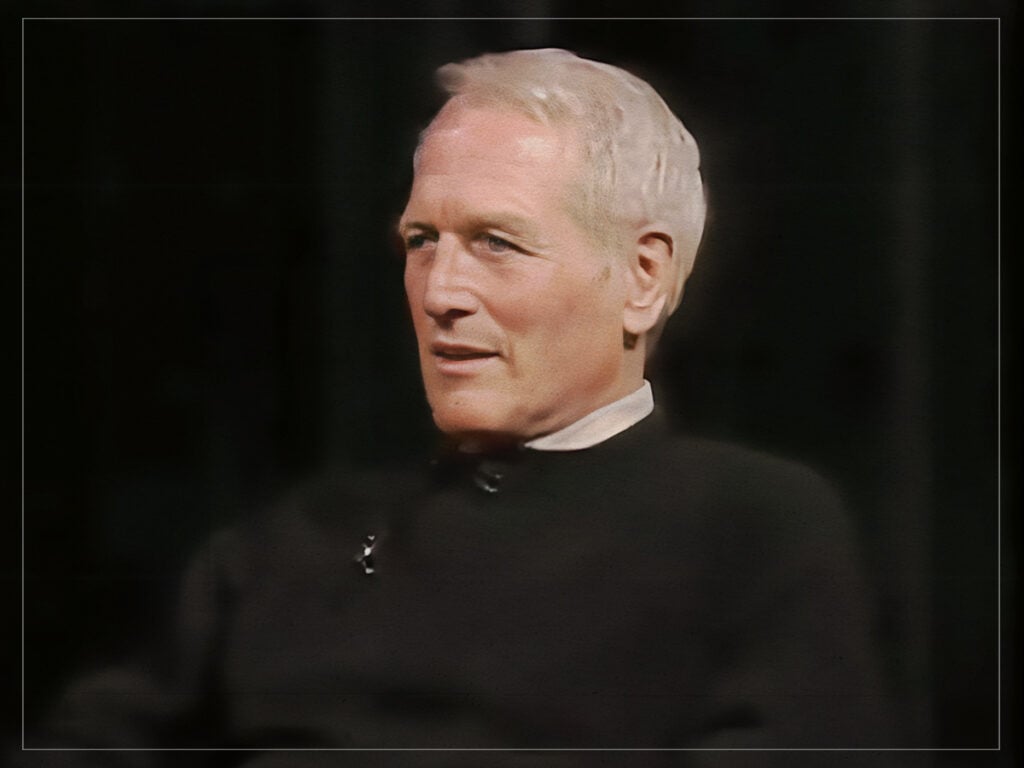
Frank Langella, an accomplished stage and film actor, generated pushback when describing Paul Newman as 'dull' in his memoir. Langella later explained he intended this observation not as insult but as analysis of how Newman's exceptional physical attractiveness shaped his career, making him a victim of his own appearance rather than a limitation of his craft.
Langella elaborated that Newman was a rare movie star rather than a great actor, drawing a distinction he framed as factual analysis rather than criticism. This remark aligns with broader observations from figures like George Clooney and director Ethan Hawke, who have similarly noted Newman's position as one of cinema's last true movie stars. The comment reflects an enduring debate within entertainment circles about whether star power and acting ability represent different measures of success.
In short
- Actor Frank Langella described Paul Newman as 'dull' and 'not a great actor' in his memoir, sparking controversy given Newman's legacy
- Langella clarified he distinguished between being a movie star versus a great actor, positioning Newman in the former category
- The criticism contributes to ongoing Hollywood debate about how acting excellence differs from star power and charisma
Steelman: both sides, in good faith
The strongest fair case each way — we don't pick a winner.
The case for
Newman's career was fundamentally defined by his exceptional physical appeal and star magnetism rather than demonstrated acting range. The observation that he tended to play variations of similar charismatic characters, capitalising on his screen presence rather than stretching into radically different roles, represents a legitimate analytical distinction between being compellingly watchable and possessing the craft skills of a great actor.
The case against
Newman's Academy Award, multiple nominations, and acclaimed performances across genuinely diverse material—from the psychological intensity of Hud to the comedic nuance of Butch Cassidy and the Sundance Kid—demonstrate substantive acting ability beyond mere star power. His successful stage career, his willingness to take unglamorous character roles in later life, and the consistent critical respect for his work over decades suggest he was both a compelling star and a genuinely skilled craftsperson.
Explained simply
Paul Newman was one of Hollywood's most iconic film stars, remembered for his striking looks and celebrated performances in films such as Cool Hand Luke and The Sting. His career and legacy continue to shape discussions about screen acting decades after his death in 2008.
Actor Frank Langella recently caused debate when he described Paul Newman as "dull" in his memoir, later clarifying he was drawing a distinction between being a movie star and being a truly great actor. Langella suggested that Newman's exceptional physical appearance shaped his career more significantly than his acting ability alone would have done.
This observation is not unique to Langella, with other prominent figures including actor George Clooney and director Ethan Hawke having made similar observations about Newman's status as one of cinema's last true movie stars. The comments reflect an enduring debate about whether star power and acting talent should be assessed as separate measures of success in film.