World news and discussion on TalkFuse.
US pays out $3m to victims of mystery Havana Syndrome condition reported by spies
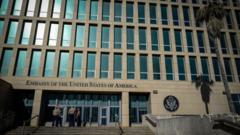
The US government has paid out nearly $3m (£2.2m) in compensation to victims of so-called Havana Syndrome, a mysterious neurological condition reported by spies, diplomats and their families. These are the first such payments made to US agency staff over the illness, and they matter because they represent official recognition of the sufferers' experiences after a decade of uncertainty about the condition's cause. The compensation was paid under the Havana Act, which was signed into law in 2021.
The syndrome was first publicly reported in 2016, when US diplomats in Cuba described falling ill and hearing piercing sounds at night, with symptoms including a low hum, clicks, squeals, skull pressure, dizziness and nausea. Similar cases have since been reported worldwide, from Washington to China, and in 2017 the US withdrew more than half of its embassy staff from Havana, while Canada also cut its personnel there in 2019. There has been long-running speculation that a foreign power used a microwave or sonic weapon, but last year most US intelligence agencies concluded this was "very unlikely", while still affirming that staff experienced genuine and sometimes traumatic symptoms.
Steelman: both sides, in good faith
The strongest fair case each way — we don't pick a winner.
The case for
The reported symptoms were genuine and well-documented, causing real suffering to dedicated public servants harmed whilst on duty. Compensation through the Havana Act appropriately acknowledges their experiences and provides necessary support, regardless of uncertainties surrounding the cause—one need not definitively identify the mechanism of harm to recognise that harm occurred and provide redress. Denying or delaying compensation pending complete answers to an ongoing mystery would compound these individuals' suffering and abandon the government's duty of care to its employees.
The case against
Whilst acknowledging the genuine symptoms reported, compensating an unexplained condition before establishing its root cause risks institutionalising mystery illness rather than solving it. Intelligence agencies deemed an external weapon attack very unlikely, yet no confirmed alternative explanation has emerged—raising questions about environmental, psychological, or other contributing factors that compensation might obscure rather than address. Without understanding what actually happened, compensation may divert resources from the urgent investigative work needed to determine whether these cases share a common cause and how to prevent future incidents.
Explained simply
Havana Syndrome is a mysterious neurological condition that has affected US government staff including diplomats, spies and their family members. Those affected report symptoms including high-pitched sounds, skull pressure, dizziness and nausea, though the exact cause remains unknown.
The condition was first publicly reported in 2016 when US diplomats in Cuba began falling ill. Since then, similar cases have been reported across the world, including in Washington and China, prompting the US to withdraw more than half its embassy staff from Havana in 2017 and Canada to reduce its presence there in 2019.
The cause of Havana Syndrome has been hotly debated for a decade. While some speculated a foreign power had used a microwave or sonic weapon against US personnel, US intelligence agencies concluded last year this was "very unlikely", though they confirmed that affected staff experienced genuine symptoms that sometimes caused trauma.
Americas Cricket Paranormal Sport Weird & Viral World