Sport news and discussion on TalkFuse.
Internet is up in arms about ESPN FPI rankings, but everyone is missing one key point
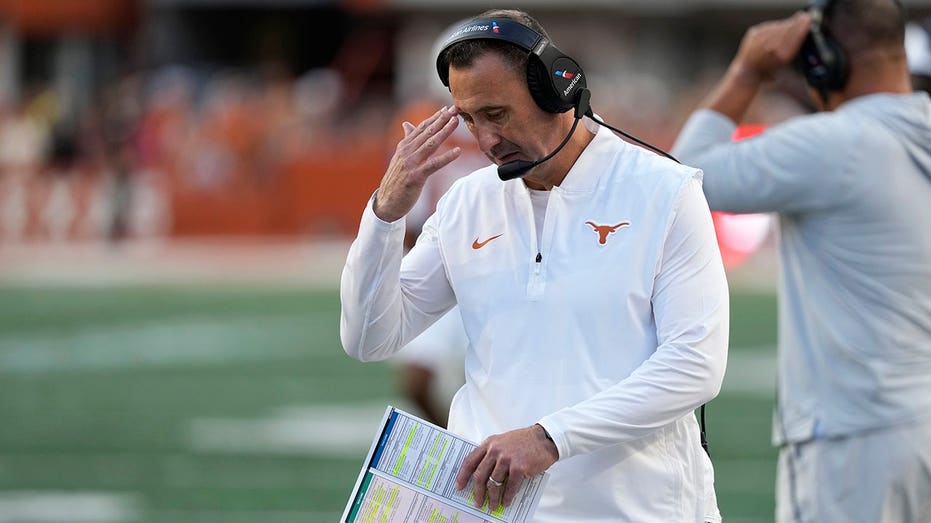
An OutKick/Fox News opinion piece addresses the online backlash that greets ESPN's Football Power Index (FPI) rankings each college football offseason, arguing that critics are overlooking an important caveat. The article frames the annual release of preseason polls and predictions as an inevitable feature of this point in the calendar, coinciding with conference media days when journalists and analytical models alike attempt to forecast where teams will finish.
The central argument, though only partially laid out in the available text, is that the FPI is a predictive statistical model rather than a subjective ranking of team quality, and that much of the public anger stems from misunderstanding what it is designed to measure. The piece situates this within a broader critique — echoed in an accompanying Dan Dakich video segment — of college football media allegedly promoting the same high-profile schools to protect established brands. The full detail of the "key point" everyone is said to be missing is cut off in the provided text.
In short
- ESPN's FPI rankings spark yearly online outrage from fans.
- The article says critics miss a key contextual point.
- FPI is a predictive model, not a subjective ranking.
Steelman: both sides, in good faith
The strongest fair case each way — we don't pick a winner.
The case for
The FPI is expressly a predictive statistical model designed to forecast outcomes through rigorous mathematical methodology, not a subjective ranking of team quality. Critics who contest its preseason projections often conflate prediction with evaluation, expressing outrage at probabilistic forecasts that diverge from tradition or brand prestige. Understanding this distinction—that the model operates independently of institutional preferences—would clarify that disagreement centres on statistical methodology rather than editorial bias.
The case against
Whether termed predictive or evaluative, the FPI's influence on college football media narratives and coverage allocation is material and consequential. If rankings consistently elevate established programmes whilst overlooking emerging ones, that shapes editorial priorities and institutional perception regardless of the model's stated purpose. Defending the rankings as 'merely statistical' elides the substantive question of whether any ranking system, mathematical or otherwise, perpetuates existing biases in how college football is discussed and resourced.
Explained simply
ESPN's Football Power Index is an annual attempt to forecast how college football teams will perform in the upcoming season, using statistical analysis. The rankings are released each offseason, typically during conference media days, and sit alongside other preseason predictions from various publications and analytical models.
The release of these rankings routinely generates significant online criticism and debate, with fans and commentators questioning the placement of their favourite teams or claiming that certain programmes are ranked too highly. This annual backlash has become an expected feature of the pre-season period, with social media users regularly expressing frustration with the predictions.
An opinion piece has argued that critics are missing a crucial distinction about what the FPI actually measures. Rather than offering subjective opinions on which teams are best, it is designed to predict outcomes using mathematical analysis. The article suggests that people often complain it is biased opinion when it is actually meant to be objective prediction.